 Free shipping on orders over £29,85
  Shipping Tracking!


 Google
 Facebook
← Back to When to embed a preserved rose in resin, and for how long?

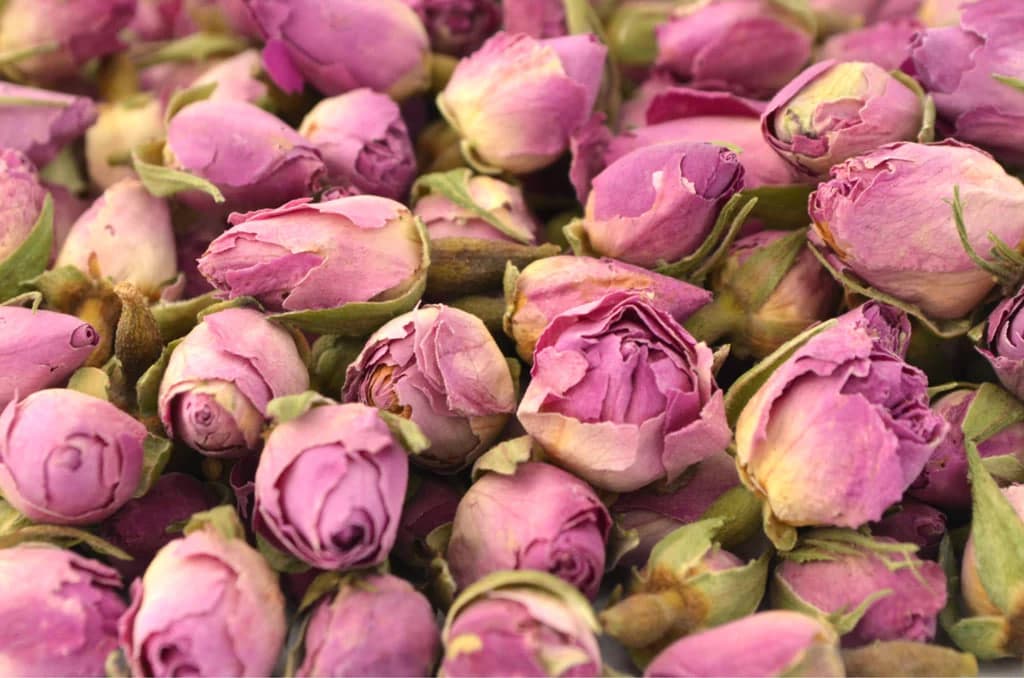
When it comes to embedding flowers like roses in resin, ensuring the blooms are fully dried and conditioned is crucial for a beautiful, lasting result. Attempting to encapsulate flowers that still contain moisture can introduce unwanted problems to your work.
Why Complete Drying Is Essential
Embedding flowers in resin before they are entirely dry risks trapping moisture inside. Any remaining water can lead to undesirable clarity issues, such as cloudiness, and may even result in the flower decaying within the resin over time. Properly dried flowers maintain their colour and form, preserving the appearance of your work for longer.
Best Practices for Drying Flowers
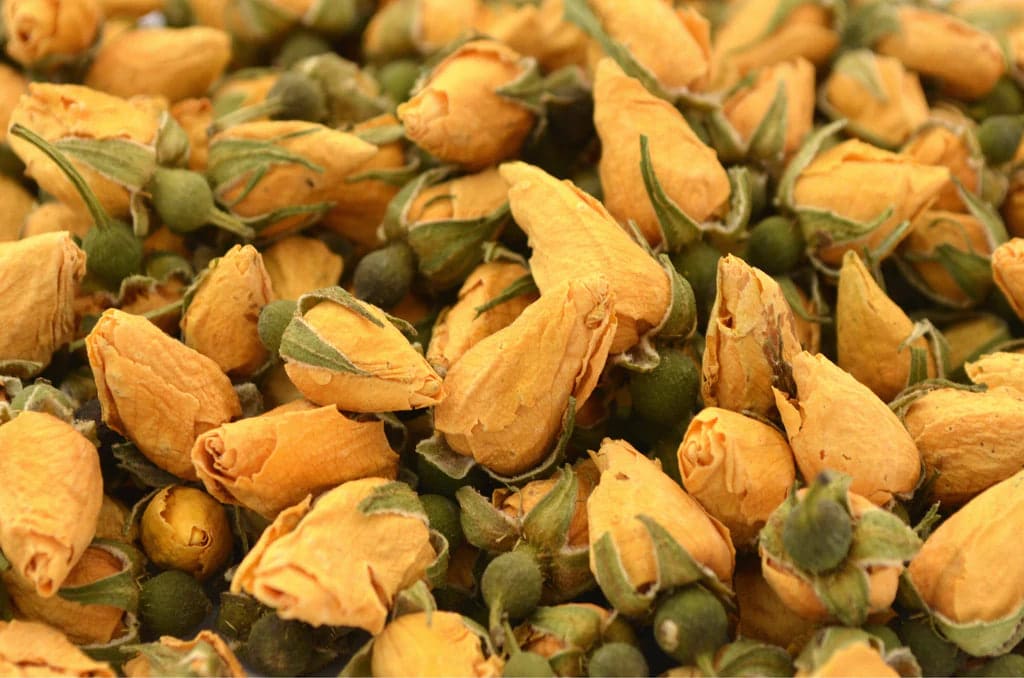
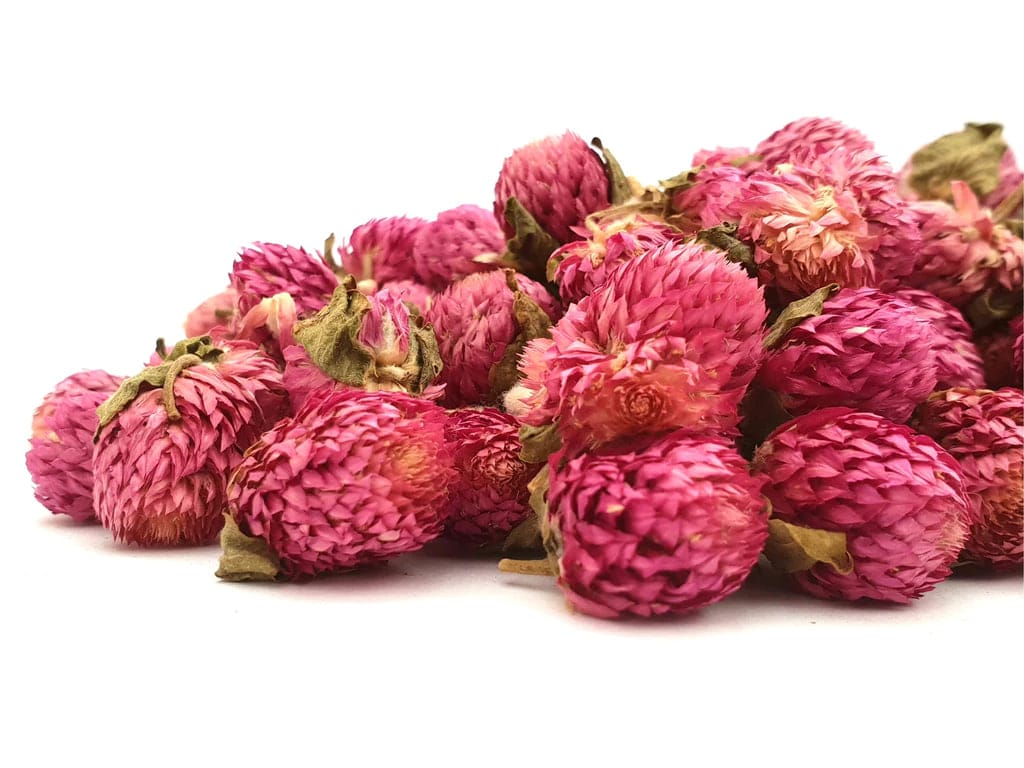
It’s best to allow flowers ample time to dry completely after preservation. Pressed or naturally air-dried blooms are commonly chosen, while using silica gel can speed up the drying process for thicker flowers like roses. Only once the flower feels papery and shows no remaining softness should you consider embedding.
If you prefer to skip the drying process, ready-prepared options like Natural Dried Flowers for Art Projects and Epoxy Resin Casting can be used straight from the pack, simplifying your workflow.
When This Matters Most
- If clarity and longevity are important for your art or gifts, always ensure flowers are fully dried and conditioned before embedding.
- Special moments like wedding bouquet preservation or memorial pieces rely on this step for a pristine result.

Related products
Related guides
Taking the time to fully dry your flowers before embedding is essential for professional, lasting resin art. Discover more about timing and preparation in our main guide on when to embed a preserved rose in resin and for how long.