 Free shipping on orders over £29,85
  Shipping Tracking!


 Google
 Facebook
When to embed a preserved rose in resin, and for how long?
Compare resins for flower embedding and casting depths

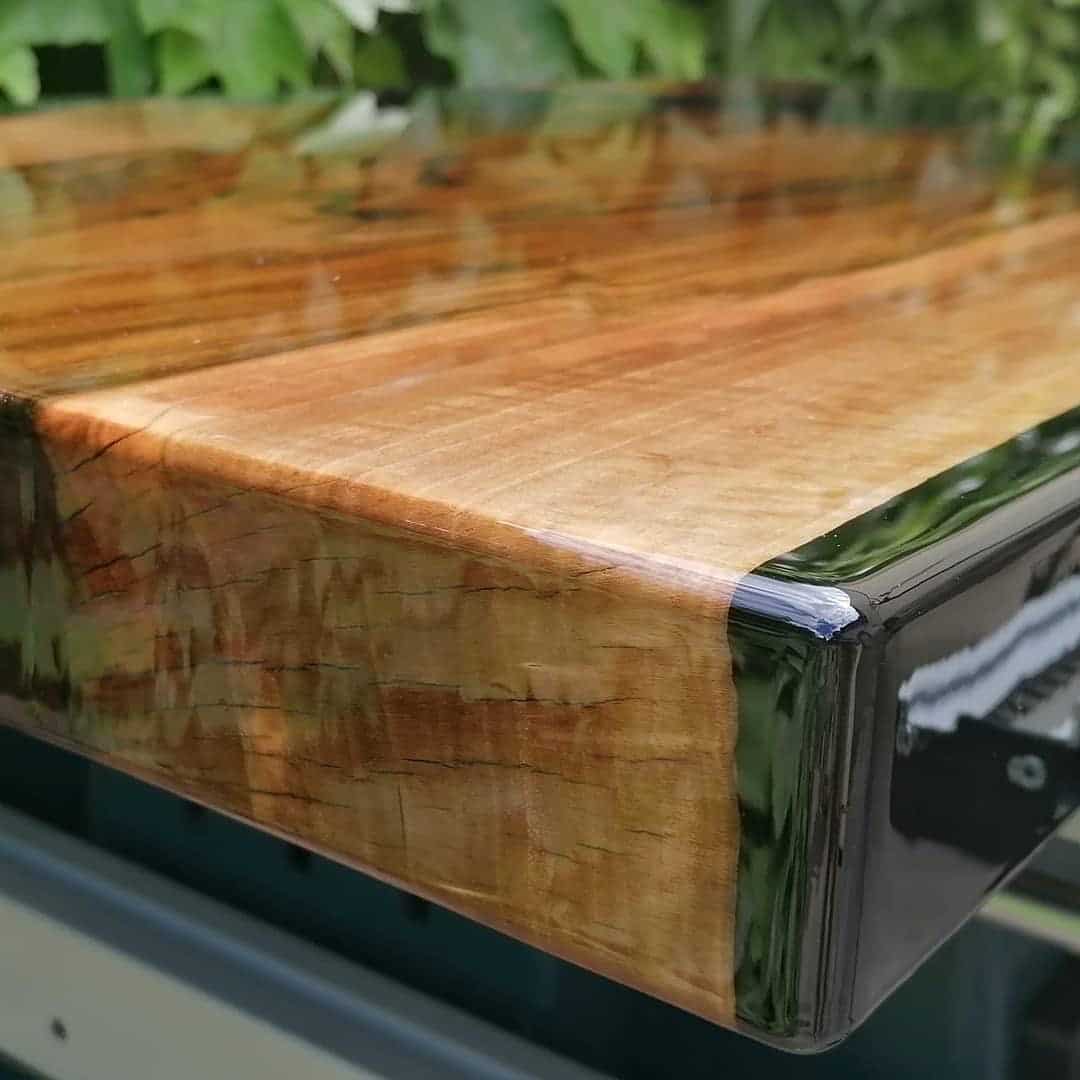
Embedding a preserved rose in resin is a creative way to capture natural beauty in a lasting piece of art, from statement jewellery to decorative keepsakes and table centrepieces. This page will help you decide which epoxy resin is right for your project, whether you are working with thin, detailed pieces or deep-cast memorabilia. We compare the top choices for embedding preserved flowers, outline their suitable casting depths, and guide you to the best option for flawless floral preservation.
Overview: Comparing Epoxy Resins for Preserved Flower Embedding
Choosing the right resin depends primarily on the depth of your project and the visual effect you want to achieve. For shallow castings and fine jewellery, an ultra-clear resin that works well in layers up to 2 cm is ideal. For thicker objects or deeper settings, opt for a deep-pour resin capable of reaching up to 5 cm or even 10 cm in a single cast. All featured resins offer low viscosity for bubble-free results and are formulated to ensure clarity and resistance to yellowing, which is essential for preserving the natural colours of your roses over time.

See the Difference in Clarity and Depth
Explore real project images showing preserved flowers embedded in different resin types. Notice how clarity and depth vary according to the resin chosen and pouring technique. Spotless, bubble-free results start with the right resin for your desired thickness and effect.
Natural Dried Flowers for Art Projects and Epoxy Resin Casting
Natural Dried Flowers for Art Projects and Epoxy Resin Casting provide a ready-to-use solution for artists and crafters looking to embed flowers without the need for special preparation. While primarily for decorative layering rather than deep embedding, these natural blooms are ideal companions with any clear resin, letting you create layered compositions or encapsulate delicate petals within the cured surface. Their vibrant colours and natural forms are preserved for maximum effect in both thin jewellery pieces and thicker art panels.
“Epoxytable 10-Ten” – Deep Pour Epoxy Resin for Tables, Up to 10cm Casting
When working on large, statement pieces or deep projects such as table centrepieces featuring preserved roses, “Epoxytable 10-Ten” – Deep Pour Epoxy Resin for Tables, Up to 10cm Casting is an excellent choice. It allows for casting objects up to 10 cm in depth in a single pour. With strong UV resistance and a long working time, you can carefully position and embed your preserved rose before the resin starts to set. Its low exothermic reaction helps avoid heat damage—especially useful for embedding organic materials such as flowers—while offering guaranteed clarity for years to come.
“EpoxyTable 5-Five” – Deep Pour Epoxy Resin for Tables and Large Projects – Up to 5cm
“EpoxyTable 5-Five” – Deep Pour Epoxy Resin for Tables and Large Projects – Up to 5cm strikes a balance for medium-depth projects, letting you embed roses and other flowers in pieces that require up to 5 cm of resin. Its long working time and mechanical resistance make it particularly suitable for embedding heavier flowers, like preserved roses, in paperweights, moulded blocks, or home décor. For projects exceeding 5 cm, this resin supports multi-layer casting by pouring in stages and allowing partial setting between layers.
“Trasparente” – Multipurpose Clear Epoxy Resin for Casting – Up to 2cm
For jewellery or delicate art that requires high detail at shallower depths, “Trasparente” – Multipurpose Clear Epoxy Resin for Casting – Up to 2cm is recommended. This ultra-clear resin ensures fine surface detail and helps preserve the tiniest petal features of your rose. With a certified non-toxic formula, integrated UV protection, and excellent mechanical strength, it’s suited to small pendants, charms, or wall art where a thin layer of resin suffices, offering a glass-like finish every time.
Project Considerations: When and How Long to Embed Preserved Roses
The best time to embed a preserved rose in resin is once your flower is thoroughly dried and conditioned—moisture can cause clouding or decay inside resin. For best results, pour resin in layers appropriate to the thickness: use deep-pour resins for layers up to 10 cm or 5 cm, or pour in stages for even thicker pieces. Allow intermediate layers to partially cure (typically 6–8 hours for deep pour resins) before adding the next, ensuring the rose remains suspended and well-positioned. Always refer to each resin’s product guidance for working time and recommended pouring thickness, and avoid embedding immediately after preservation if moisture remains. This ensures the beauty and structure of your rose are preserved for years.
Creative Ideas for Resin-Embedded Flowers
Preserved roses can become more than just keepsakes: use them in table centrepieces, decorative cubes, bespoke jewellery, or framed wall art. Layering techniques let you create floral arrangements in three dimensions, highlighting every detail of your chosen flower.
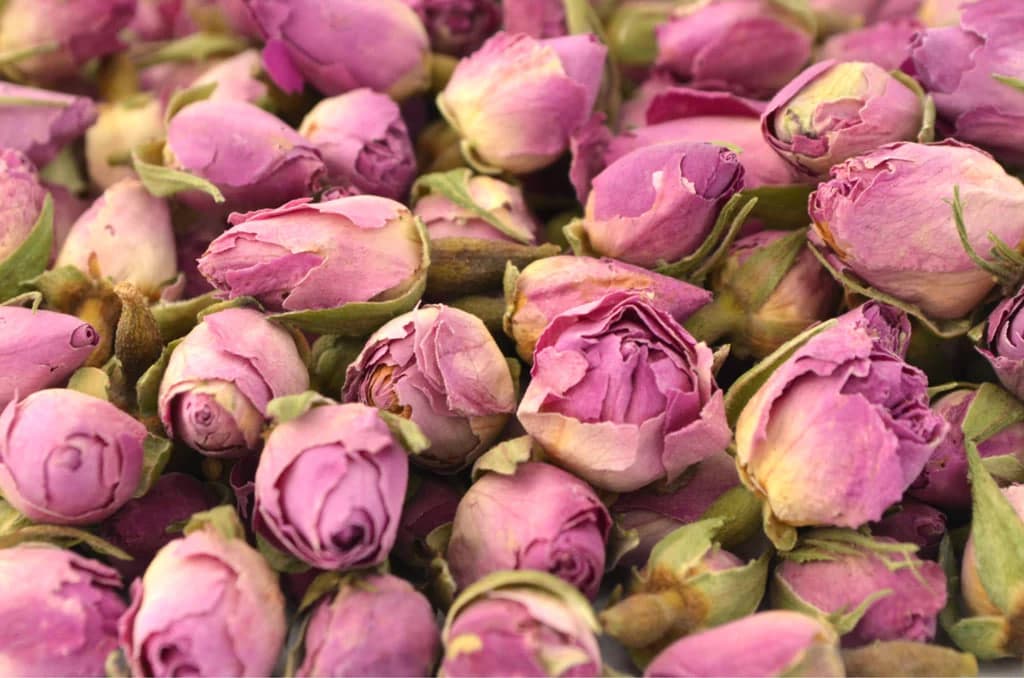
- Natural Dried Flowers for Art Projects and Epoxy Resin CastingPrice range: £5.95 through £8.45Natural Dried Flowers provide a ready-to-use option for resin projects, suitable for creating art with a natural aesthetic.
- “Epoxytable 10-Ten” – Deep Pour Epoxy Resin for Tables, Up to 10cm CastingPrice range: £35.95 through £351.95“Epoxytable 10-Ten” is an epoxy resin suitable for deep pour applications and tables casting up to 10cm. It offers a controlled curing process.
 "EpoxyTable 5-Five" – Deep Pour Epoxy Resin for Tables and Large Projects – Up to 5cmPrice range: £17.95 through £1,154.95"EpoxyTable 5-Five" deep pour epoxy resin is designed for tables and large projects, suitable for up to 5cm thick pours.
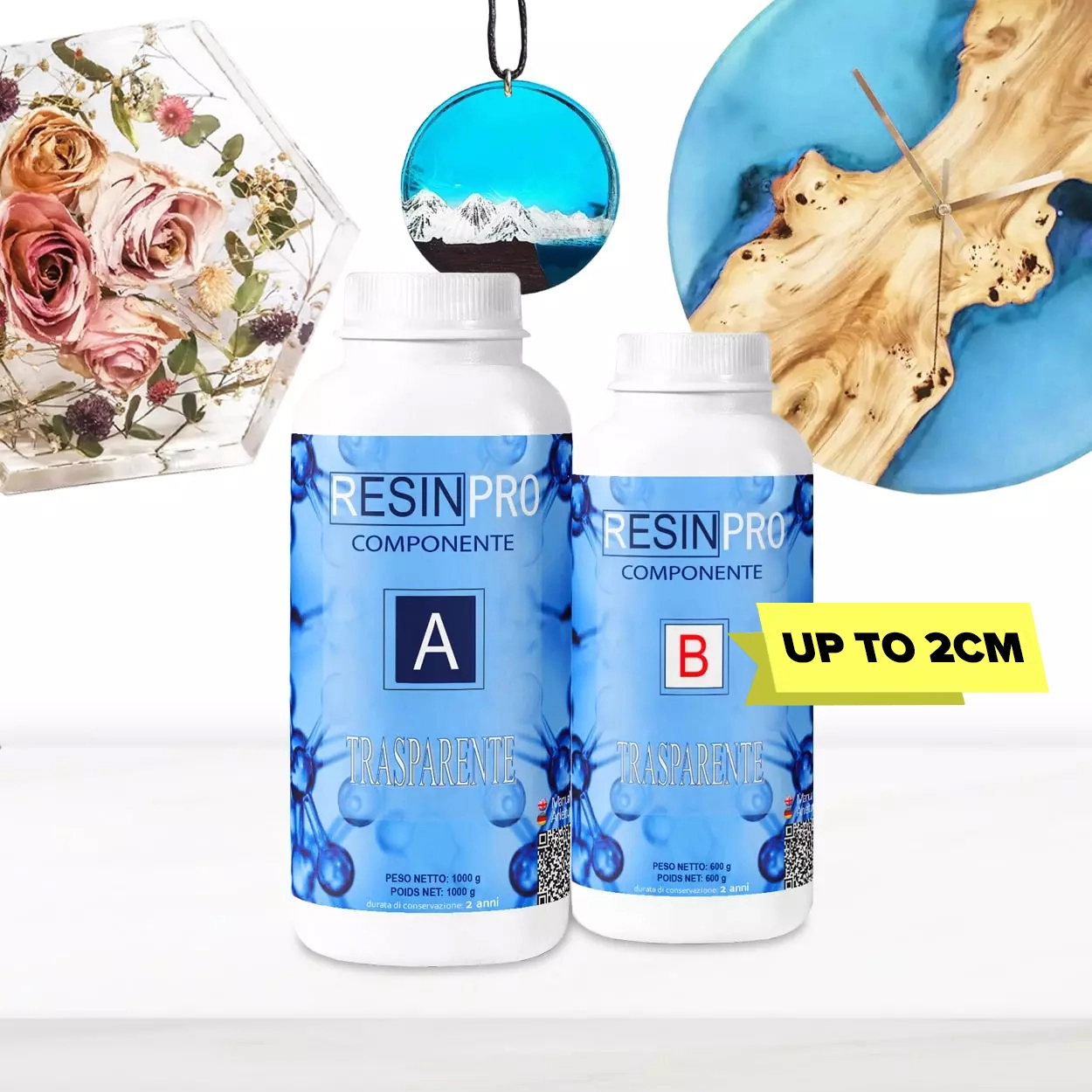 "Trasparente" – Multipurpose Clear Epoxy Resin for Casting – Up to 2cmPrice range: £8.95 through £397.95"Trasparente" is an ultra-clear epoxy resin designed for casting layers up to 2 cm, suitable for detailed work in DIY and woodworking.
Frequently Asked Questions
Which resin is best for shallow projects versus deep embedding?
For up to 2 cm depth, use Trasparente. For 2–5 cm, choose EpoxyTable 5-Five. For deeper casts up to 10 cm, Epoxytable 10-Ten is most suitable.
Can I embed a rose in resin immediately after preservation?
Only embed fully dried and conditioned flowers. Any remaining moisture may cause clarity issues or decay within the cured resin.
Is it possible to embed preserved roses in multiple resin layers?
Yes, especially for projects thicker than the recommended single-pour depth. Allow each layer to partially cure before adding the next.
What techniques help prevent bubbles when embedding flowers?
Use low-viscosity resins, pour slowly, and consider sealing the flower beforehand to reduce trapped air.
How important is UV resistance when embedding preserved roses?
UV resistance is vital, as it helps prevent yellowing and preserves the natural colours of your rose over time.
What are some key tips for successful flower embedding?
Work in a dust-free space, use ready-dried flowers, select the correct resin depth, and allow time for proper curing.