 Free shipping on orders over £29,85
  Shipping Tracking!


 Google
 Facebook
← Back to How much resin is needed to make a table?
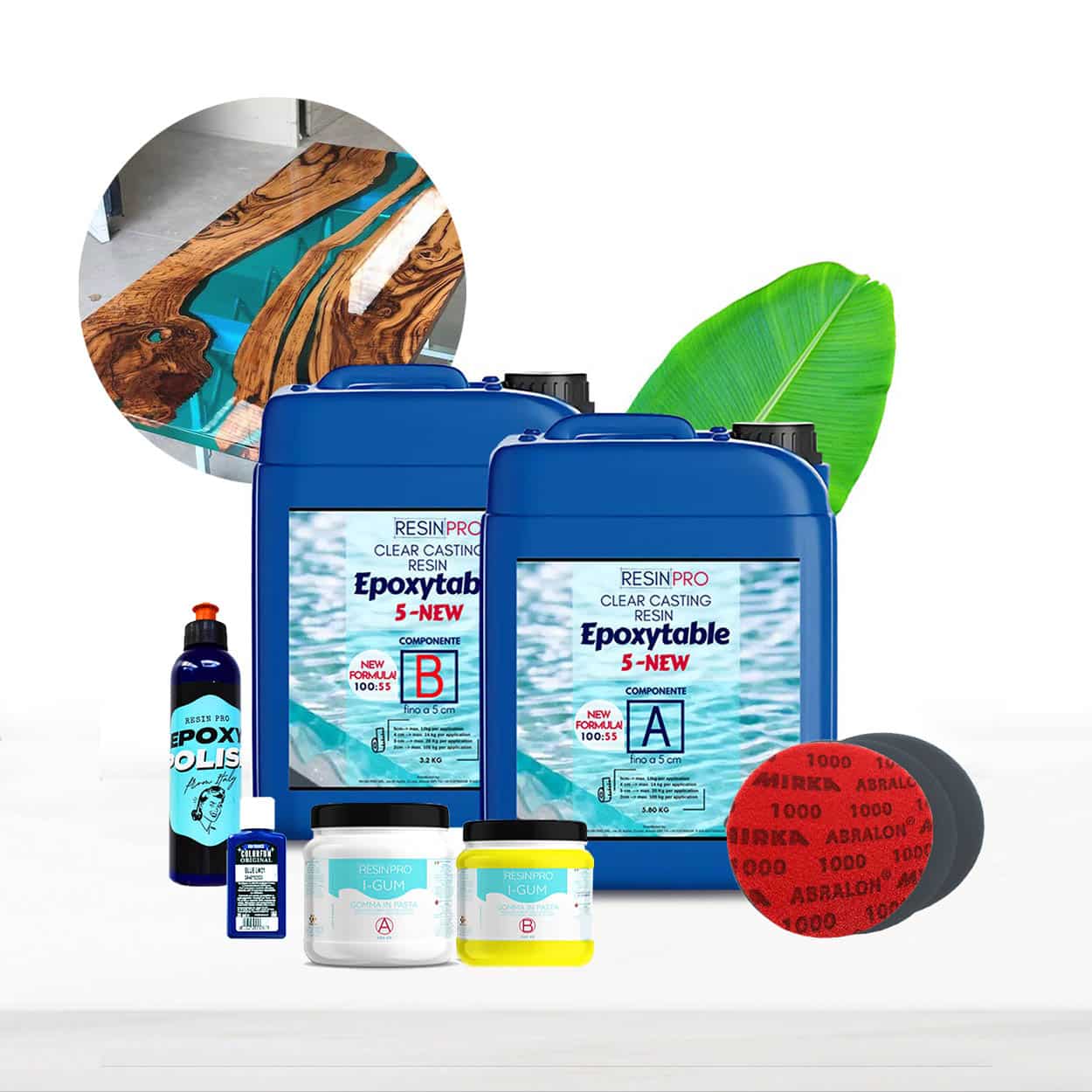
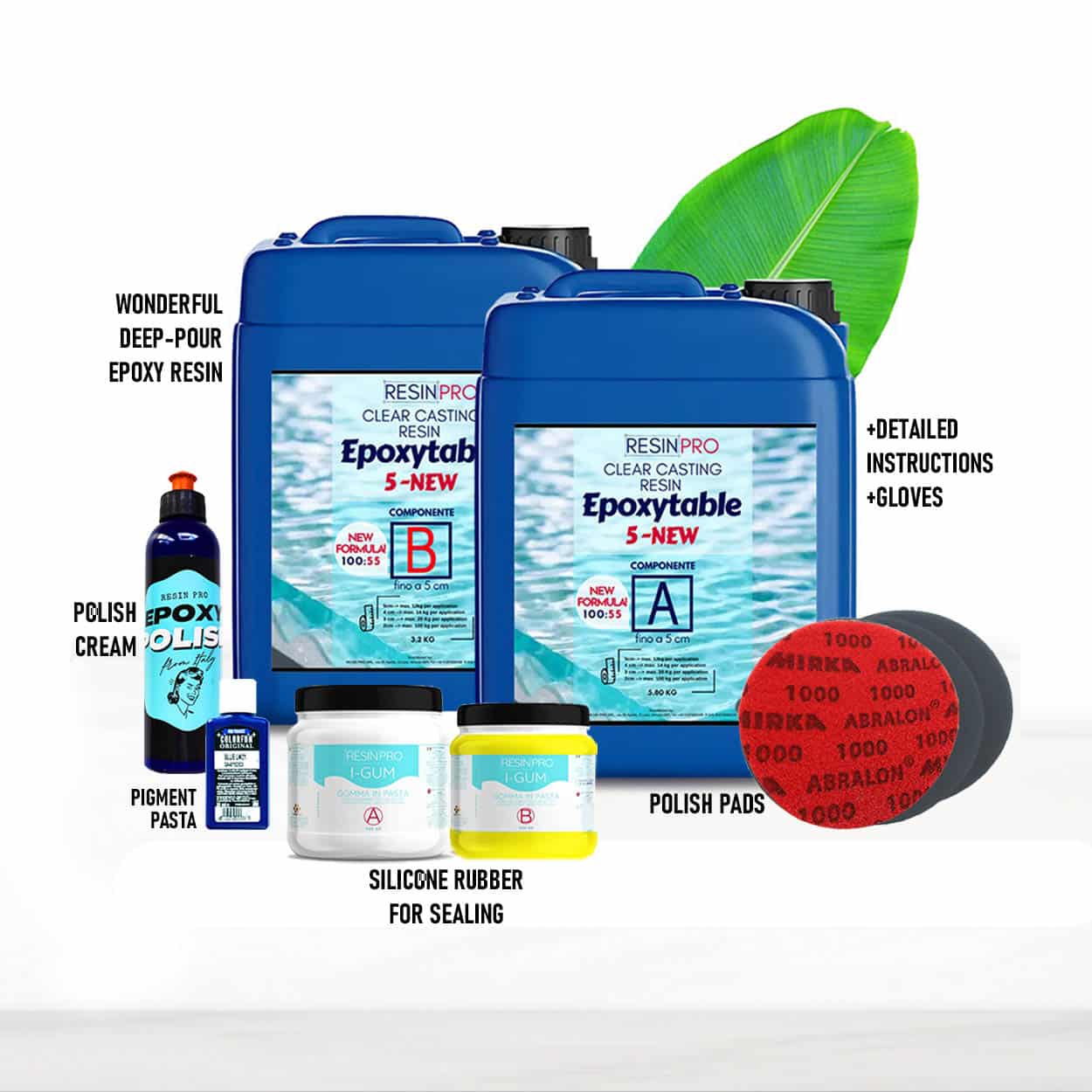
Selecting the right resin for your table’s surface is key to achieving a smooth, durable finish. With several options available, the choice depends on your project’s thickness, look, and intended use.
Understanding Resin Types for Table Finishing
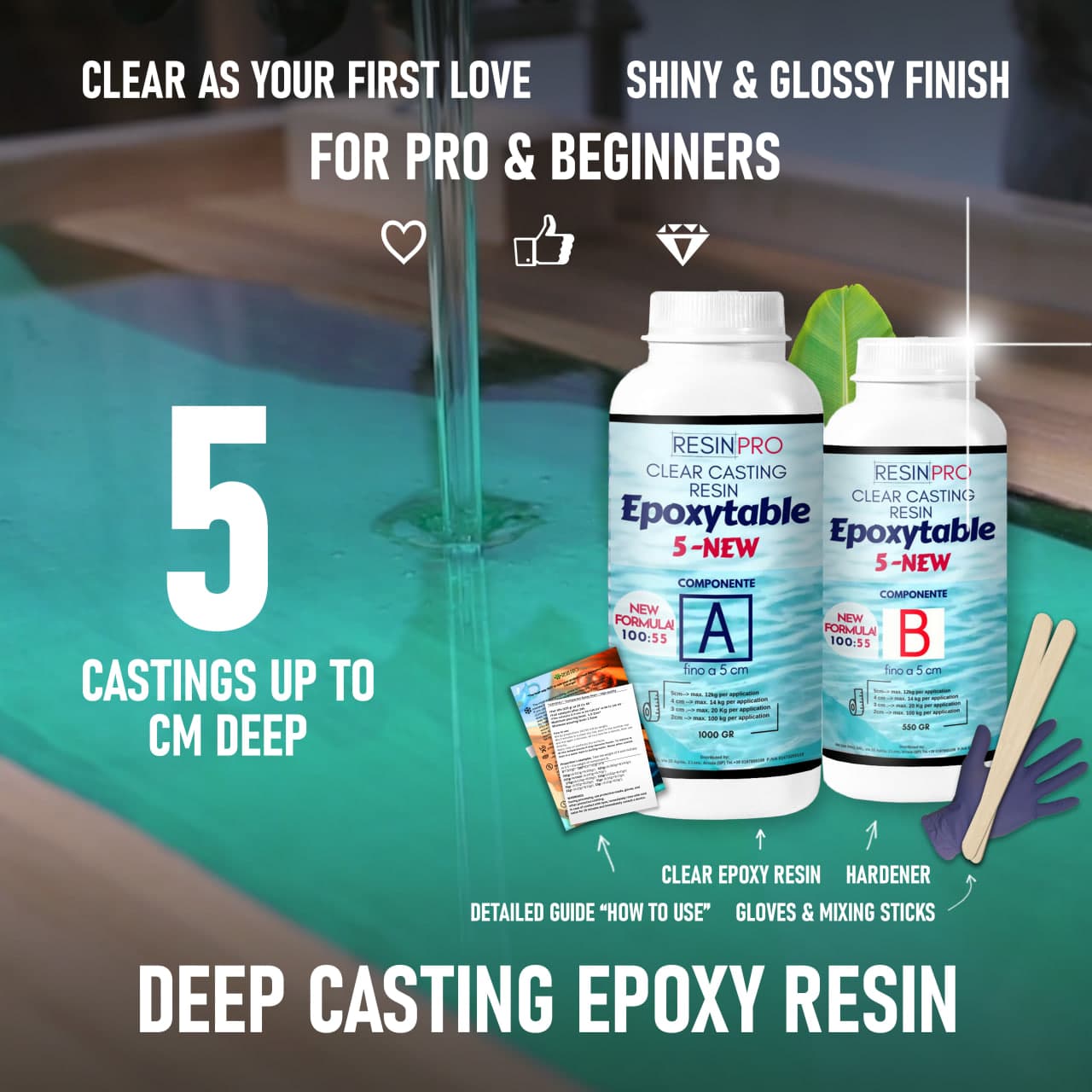
For a clear and glossy tabletop surface, self-levelling epoxy resins are typically preferred. These resins naturally settle and spread evenly, making it easier to achieve a glass-like effect with minimal effort. If you require a thicker resin layer or are pouring into a moulded space, deep pour epoxies are designed for applications typically up to 5cm and even 10cm, depending on the product. These provide clarity and reduce the risk of overheating in larger volumes.

How to Choose the Right Resin for Your Table Project
- Surface coatings (up to ~2cm): Opt for self-levelling tabletop resins or kits such as the “River-Table” Complete Kit, which includes everything from sealant to finishing polish.
- Deep pours (2–5cm or more): Select specialist deep pour products like EpoxyTable 5-Five for thick infills and wide river tables.
- Decorative finishes: For marble or stone effects, kits from the Stone Effect Collection offer pigments and self-levelling resins tailored for visual impact on dining tables or countertops.
When This Matters
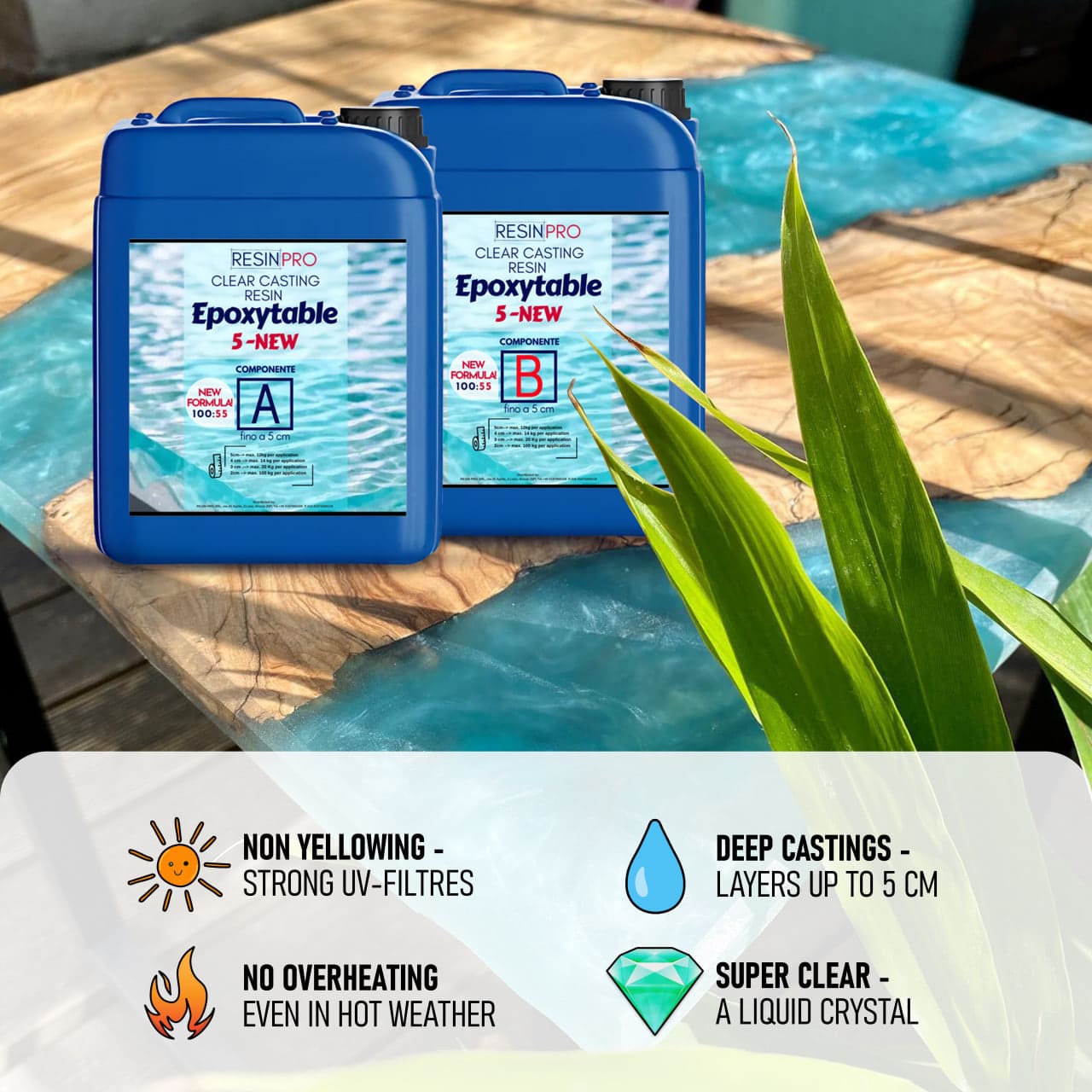
If you want your table to withstand daily use while maintaining visual appeal, choosing the correct resin ensures durability and lasting clarity. Deep pour resins are important for pour depths over 2cm, while self-levelling resins are ideal for a flawless surface finish.
Related products
Related guides
By selecting the resin that matches your table’s design and functional requirements, you’ll create a striking centrepiece that lasts. For more detail on resin amounts and tips for table projects, see our main guide on how much resin is needed to make a table.