 Free shipping on orders over £29,85
  Shipping Tracking!


 Google
 Facebook
How much epoxy resin is needed for 1 square metre of carbon fibre?
Compare your best options for carbon fibre lamination projects


If you’re planning a carbon fibre lamination or composite project, accurate epoxy resin calculation is crucial for optimum results and minimising waste. This guide walks you through everything you need to know to estimate resin coverage for one square metre of carbon fibre, while comparing top ResinPro products designed for the purpose. Whether you’re a composite technician or a DIY enthusiast, you’ll find clear recommendations tailored to your application.
Overview: Estimating Epoxy Resin Use per Square Metre
One of the most common questions when working with carbon fibre is: how much epoxy resin will properly impregnate 1m² of fabric? The answer depends on several factors, including the weave and weight of the fibre, layer thickness, and resin viscosity. As a rule of thumb, you should calculate approximately the same weight of resin as your carbon fibre fabric (i.e., for 200g/m² carbon cloth, allow 200g resin per m²). However, for ideal wetting, coverage can range from 200g up to 350g per square metre, depending on technique and surface absorption. Always check your specific fabric requirements and choose a resin designed for carbon and technical fabrics. Below, we compare ResinPro’s best products for this application.

Example Coverage and Application Video
Watch a step-by-step demonstration of correct resin mixing and application over carbon fibre, showing even coverage, proper wetting, and bubble removal using top-rated products.
“Carbon Resin” – Epoxy Resin for Carbon Fiber & Fiberglass Coating
For professional composite builds, “Carbon Resin” – Epoxy Resin for Carbon Fiber & Fiberglass Coating is specially formulated to ensure easy application and high impact resistance. Its low viscosity formula delivers perfect impregnation with minimal bubbles, resulting in structural integrity and a glossy, professional finish. Curing at room temperature means a streamlined process for both large and small areas. This resin is ideal for those needing reliable performance under demanding conditions or for visible carbon fibre finishes.
“Trasparente” – Multipurpose Clear Epoxy Resin for Casting – Up to 2cm
“Trasparente” – Multipurpose Clear Epoxy Resin for Casting – Up to 2cm offers an ultra-clear formula and high scratch resistance, making it suitable for wood, art, and technical fabric projects, including carbon fibre. Its self-levelling finish ensures consistent thickness and minimal surface defects. If your application includes decorative castings or areas such as composite tables, this resin delivers a blend of clarity, reliability, and UV-resistant durability.
“Icrystal” – Clear Epoxy Resin – Odourless Formula – Up to 1.5cm
For users seeking a crystal clear and odourless epoxy resin with high scratch resistance, “Icrystal” – Clear Epoxy Resin – Odourless Formula – Up to 1.5cm fits the bill. It is designed specifically for making coatings and impregnating technical fabrics such as carbon fibre up to 1.5cm per application. With a straightforward 2:1 resin-to-hardener mixing ratio and UV filter warranty, it’s perfect for creative and practical surface finishing tasks.
“Trasparente” Epoxy Resin Kit 800g + Mica Powder 10g – 10 Colour Variations
For those seeking versatility and creative freedom, the “Trasparente” Epoxy Resin Kit 800g + Mica Powder 10g – 10 Colour Variations combines all the strengths of the standard “Trasparente” with the ability to add vibrant colour effects. The kit provides an ultra clear epoxy resin with high transparency and glossy, self-levelling finish, making it especially efficient for detailed work or when a decorative touch is desired on your carbon fibre surface. It also comes with gloves and instructions for safer, mess-free use.
Choosing the Right Epoxy Resin for Your Carbon Fibre Project
Selecting the best epoxy depends on your project’s primary aim—whether you need technical strength, maximum clarity, or artistic versatility. For structural carbon fibre work, “Carbon Resin” – Epoxy Resin for Carbon Fiber & Fiberglass Coating stands out for reliability. For multipurpose applications, both “Trasparente” resins and “Icrystal” offer flexibility and finish. No matter your choice, always work within recommended coverage, apply with proper technique, and ensure accurate weighing for best results.
Surface Preparation and Layering Tips
Ensure your carbon fibre is clean, dry, and free of contaminants. Use a roller or brush to apply the resin, build in thin layers for optimal wetting, and allow full curing between coats for maximum durability and clarity.

- "Carbon Resin" – Epoxy Resin for Carbon Fiber & Fiberglass CoatingPrice range: £19.95 through £37.95Epoxy resin designed for carbon fibre and fibreglass projects, providing smooth impregnation and a durable, glossy finish.
 "Trasparente" – Multipurpose Clear Epoxy Resin for Casting – Up to 2cmPrice range: £8.95 through £397.95"Trasparente" provides a clear, self-levelling finish suitable for woodworking and restoration projects on carbon fibre and other surfaces.
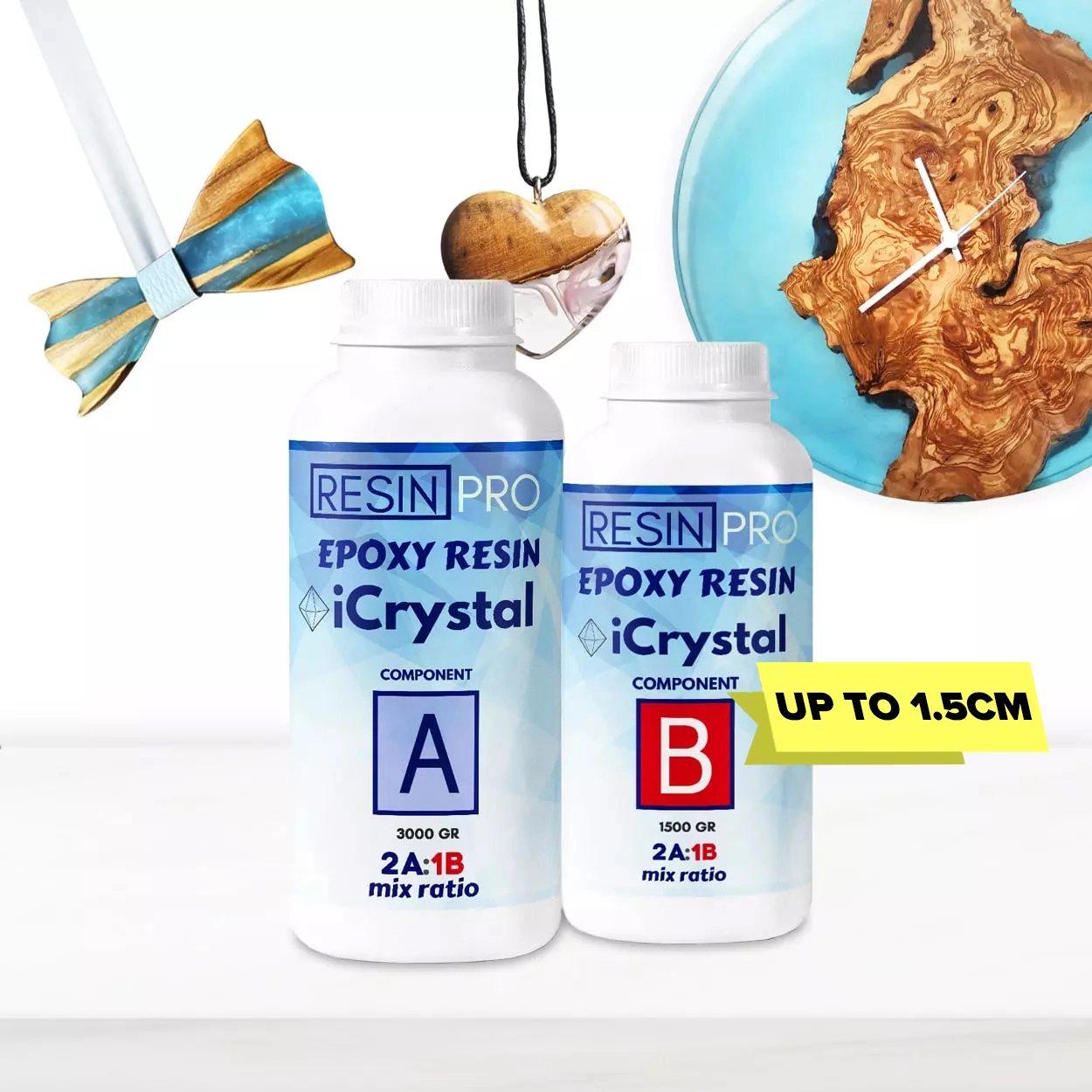 "Icrystal" – Clear Epoxy Resin – Odourless Formula – Up to 1.5cmPrice range: £12.45 through £341.45"Icrystal" clear epoxy resin has good transparency and scratch resistance. Suitable for creative and practical uses matching the theme.
 "Trasparente" Epoxy Resin Kit 800g + Mica Powder 10g – 10 Colour Variations£20.95"Trasparente" epoxy resin kit is a clear multipurpose resin suitable for various craft and restoration projects.
Frequently Asked Questions
How do I calculate resin needed for 1m2 of carbon fibre?
Multiply the fabric weight (in grams per m²) by the desired number of layers, usually matching or slightly exceeding the fabric weight.
Which type of epoxy is best for carbon fibre?
Choose a low-viscosity resin specifically designed for carbon fibre impregnation, such as those featured in this guide.
Is more resin always better for carbon fibre lamination?
No, using excess resin can result in a brittle laminate and unnecessary weight. Use only what is needed for full wetting.
Why does mixing ratio matter for carbon fibre epoxy?
The correct ratio ensures proper curing and optimal properties in the finished laminate. Too much or too little hardener compromises strength.
What thickness can I achieve per epoxy application?
Most carbon fibre-compatible epoxies recommend up to 1.5–2cm per layer, but always check the specifics of your chosen product.
How do I prevent bubbles when wetting carbon fibre?
Use low-viscosity resin, apply with a roller or brush, and work out any air with a laminating roller for the best finish.