 Free shipping on orders over £29,85
  Shipping Tracking!


 Google
 Facebook
← Back to How much epoxy resin is needed to make a table?
Carefully estimating how much epoxy resin you need is key for a successful table project—but have you considered the extra amount required to cover waste and small mishaps?
Why Extra Resin Is Essential
When working with epoxy resin, it’s not just the visible area that matters. You’ll almost always encounter some loss due to spills, mixing bowl residue, or what is left in your tools. In addition, sealing formwork or pre-coating wooden elements usually consumes more resin than you might first expect. For this reason, most experienced makers recommend allowing for 5–10% extra resin above your calculated project volume to stay protected against shortages.


Practical Tips for Ordering the Right Amount
- Carefully calculate the main pour based on the length, width and thickness of the resin section, then add 5–10% on top.
- Factor in extra for priming or sealing the wood and edges, as these can soak up a surprising amount.
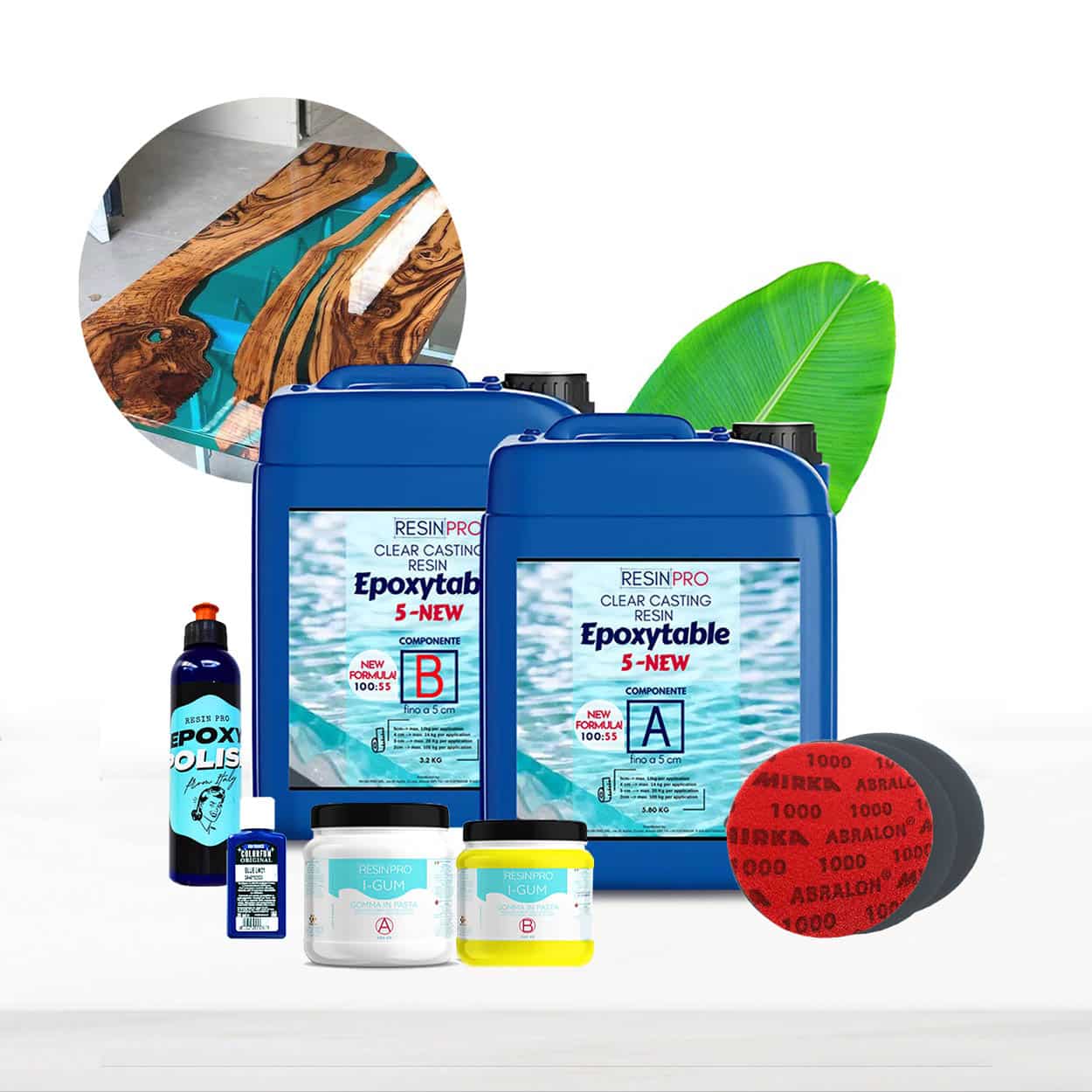
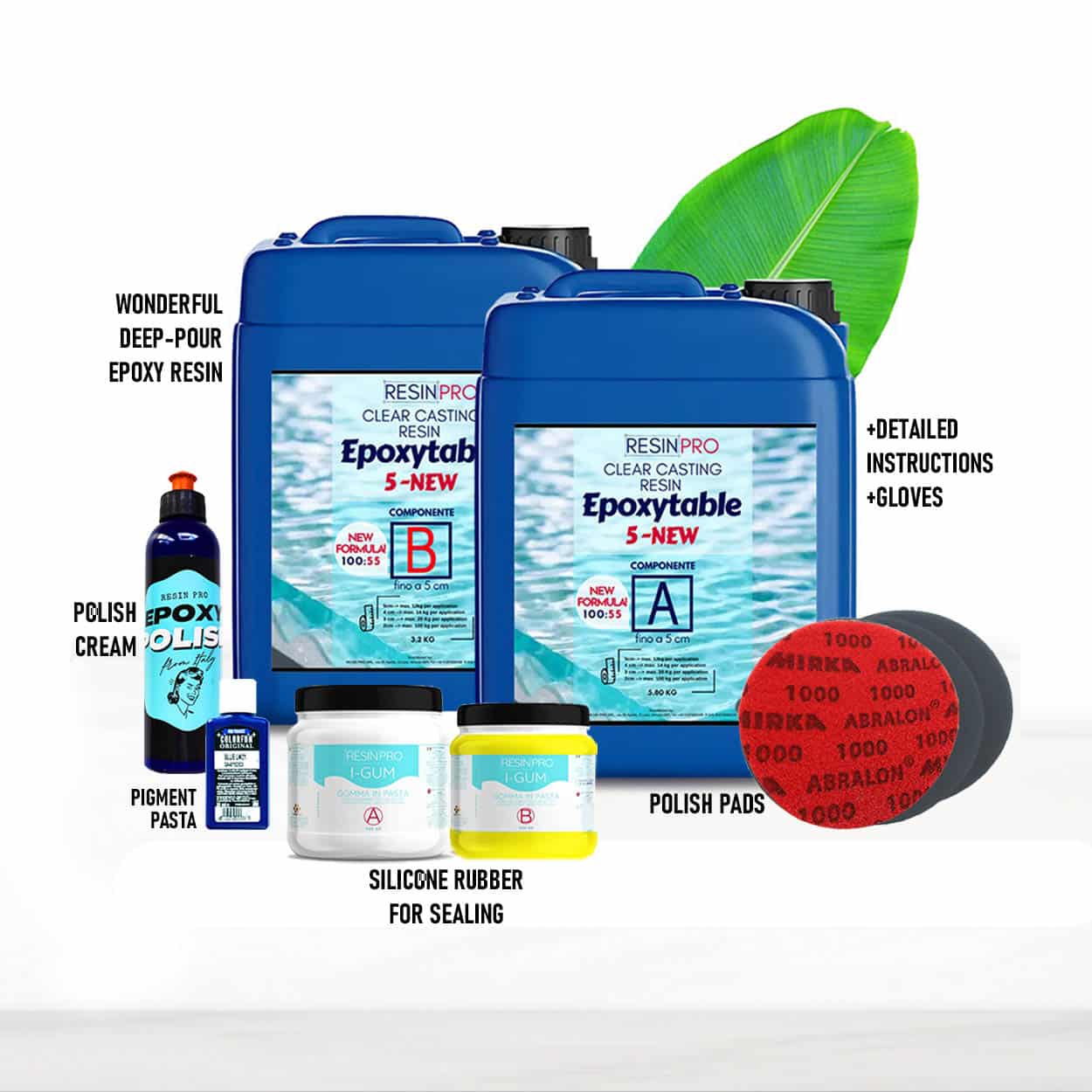
- Order from a supplier who offers kits with ample quantity for standard table sizes, such as the “River-Table” Complete Kit designed for beginners, which accounts for typical surface and thickness needs.
When This Matters Most
Having a small surplus of resin is especially helpful for large tables, deep casting projects, or when using pigment blends. It also minimises the risk of an unfinished look due to running out of resin during your pour—an issue that’s difficult and costly to fix after the fact.
Related products
Related guides
Allowing for a resin reserve helps ensure your table project goes smoothly from start to finish. For more advice on planning and measuring for your resin table, visit our main guide: How much epoxy resin is needed to make a table?