 Free shipping on orders over £29,85
  Shipping Tracking!


 Google
 Facebook
← Back to How much epoxy resin is needed to make a table?

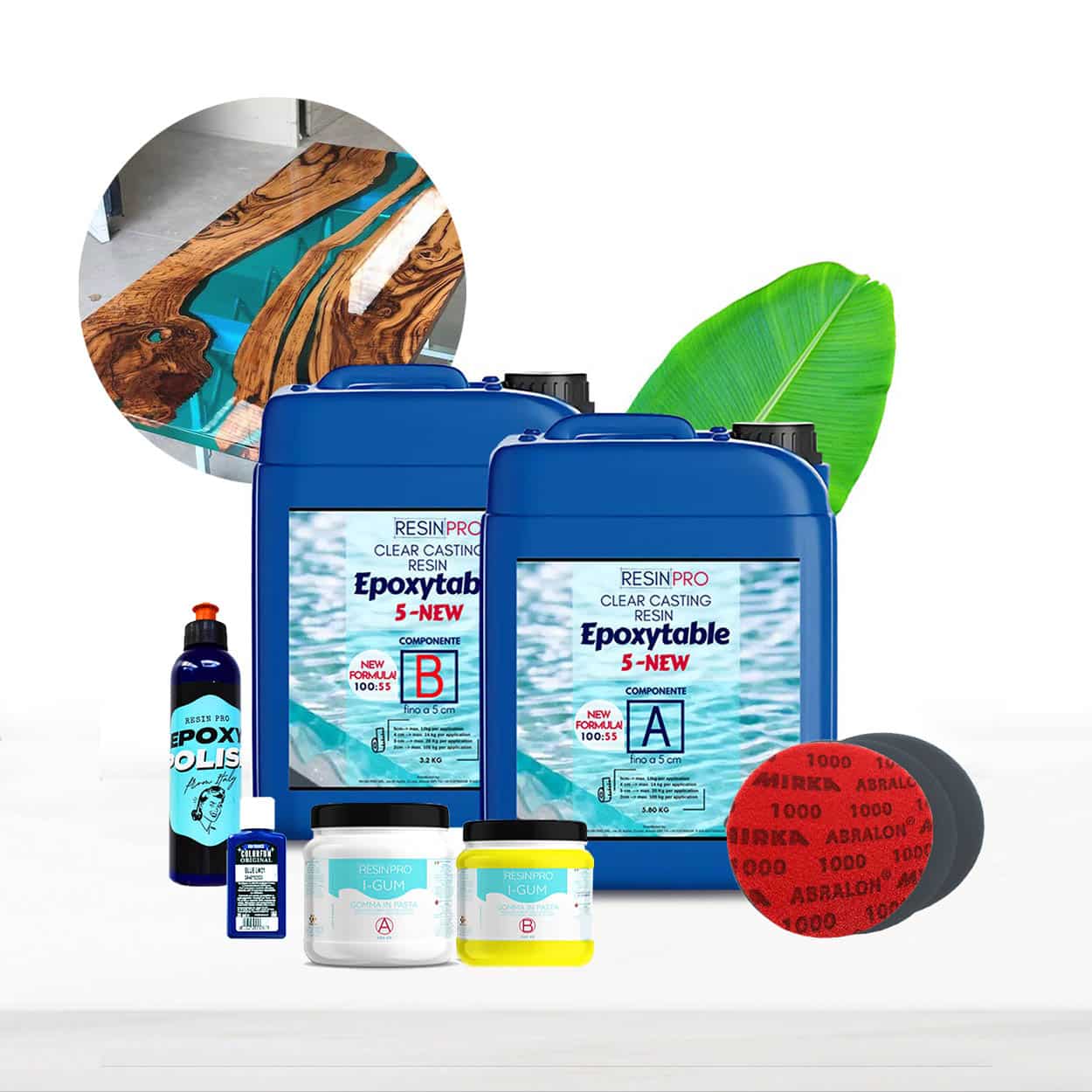
Choosing an epoxy resin with a low exothermic reaction is vital when creating thick tabletops or large river tables. It reduces the risk of resin overheating, which can ruin a casting and even cause dangerous situations.
Understanding Exothermic Reaction in Epoxy Resin
When epoxy resin cures, it undergoes a chemical process that emits heat—this is an exothermic reaction. With deep or large volume pours, excessive heat can cause cracking, yellowing, or incomplete curing. Selecting a resin designed for a low exothermic reaction greatly minimises these risks and helps ensure an even cure throughout your casting.
Practical Tips for Safe Deep Pour Casting
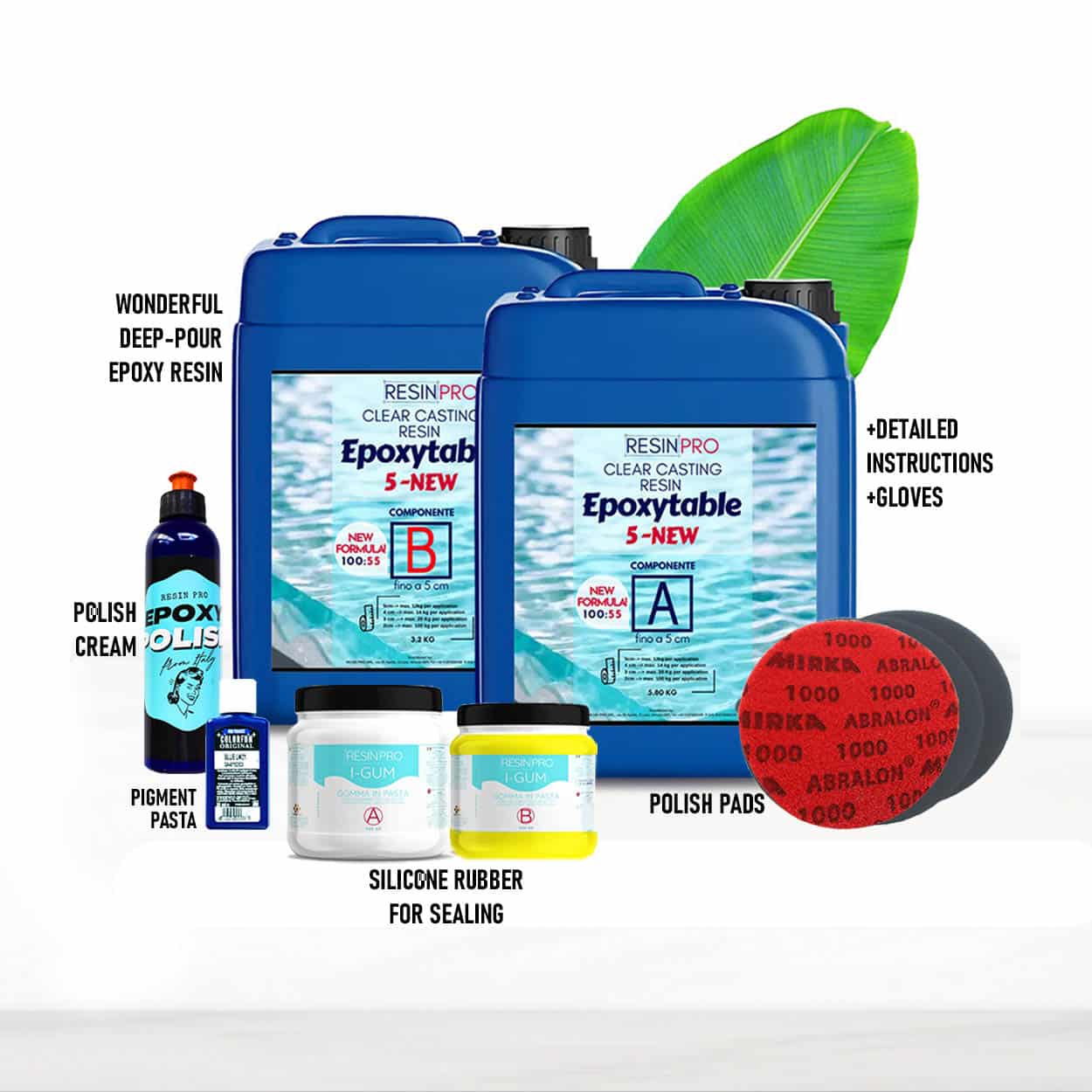
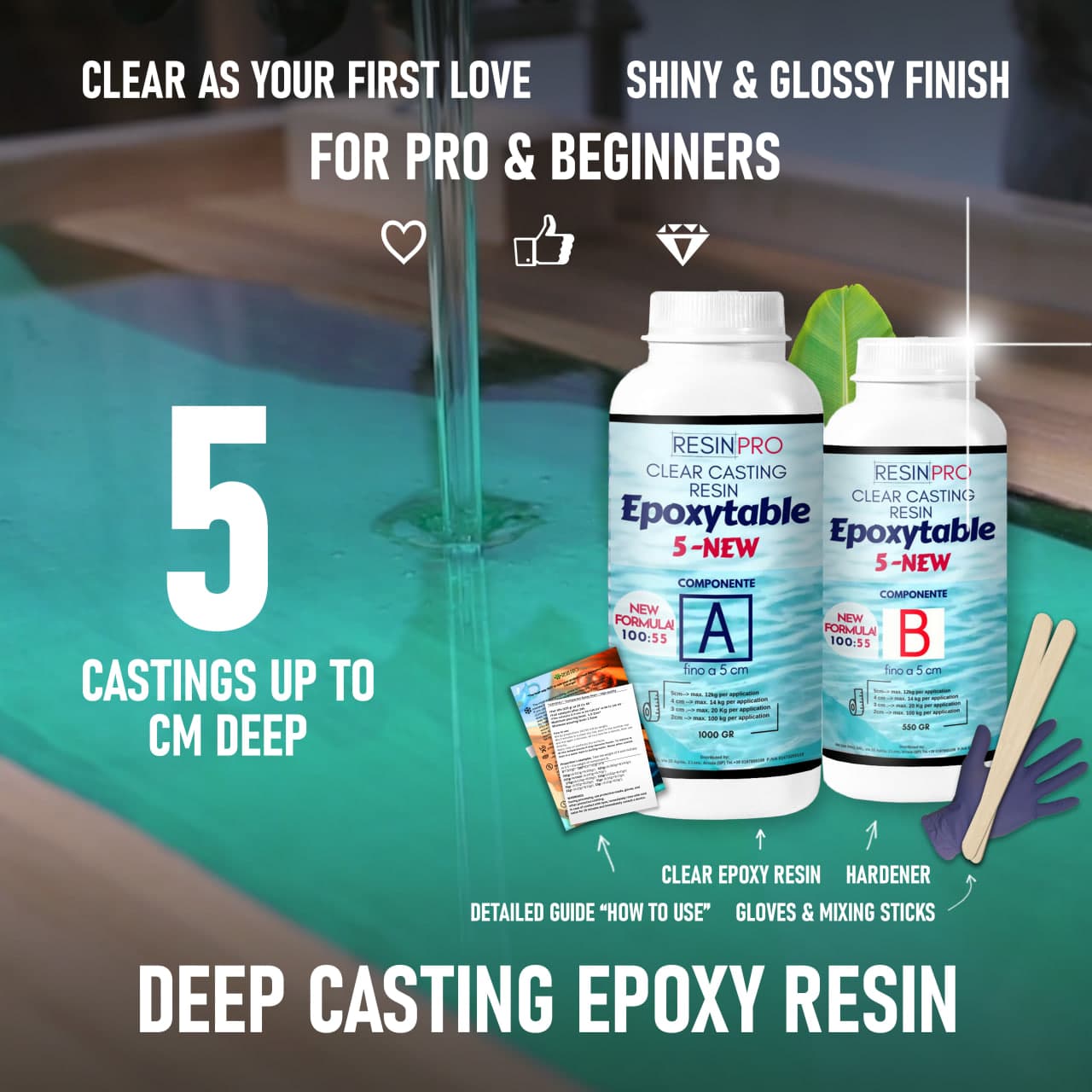
- Choose a suitable resin: For thick casts, opt for formulas like Epoxytable 10-Ten or “EpoxyTable 5-Five”, both designed for controlled, deep pouring.
- Layer in stages: For pours that exceed the recommended single-layer thickness (e.g., 10 cm for Epoxytable 10-Ten, or 5 cm for EpoxyTable 5-Five), pour in multiple stages to prevent overheating.
- Monitor temperature: Always check ambient and resin temperatures, working in a well-ventilated space and allowing layers to cool before re-pouring.
When This Matters Most
Low exothermic reaction becomes especially important when your resin project involves large surface areas, thick pours, or complex shapes that slow heat dissipation. This makes it key for crafting sizable tabletops, embedded designs, and river tables where a single large pour is necessary.

Related products
Related guides
By prioritising resins formulated for a low exothermic reaction, you greatly improve the safety and quality of your table-making project. To learn more about resin volume and project planning, see our main guide on how much epoxy resin is needed to make a table.