 Free shipping on orders over £29,85
  Shipping Tracking!


 Google
 Facebook
← Back to How much liquid resin is needed for 1.30m by 1.30m?
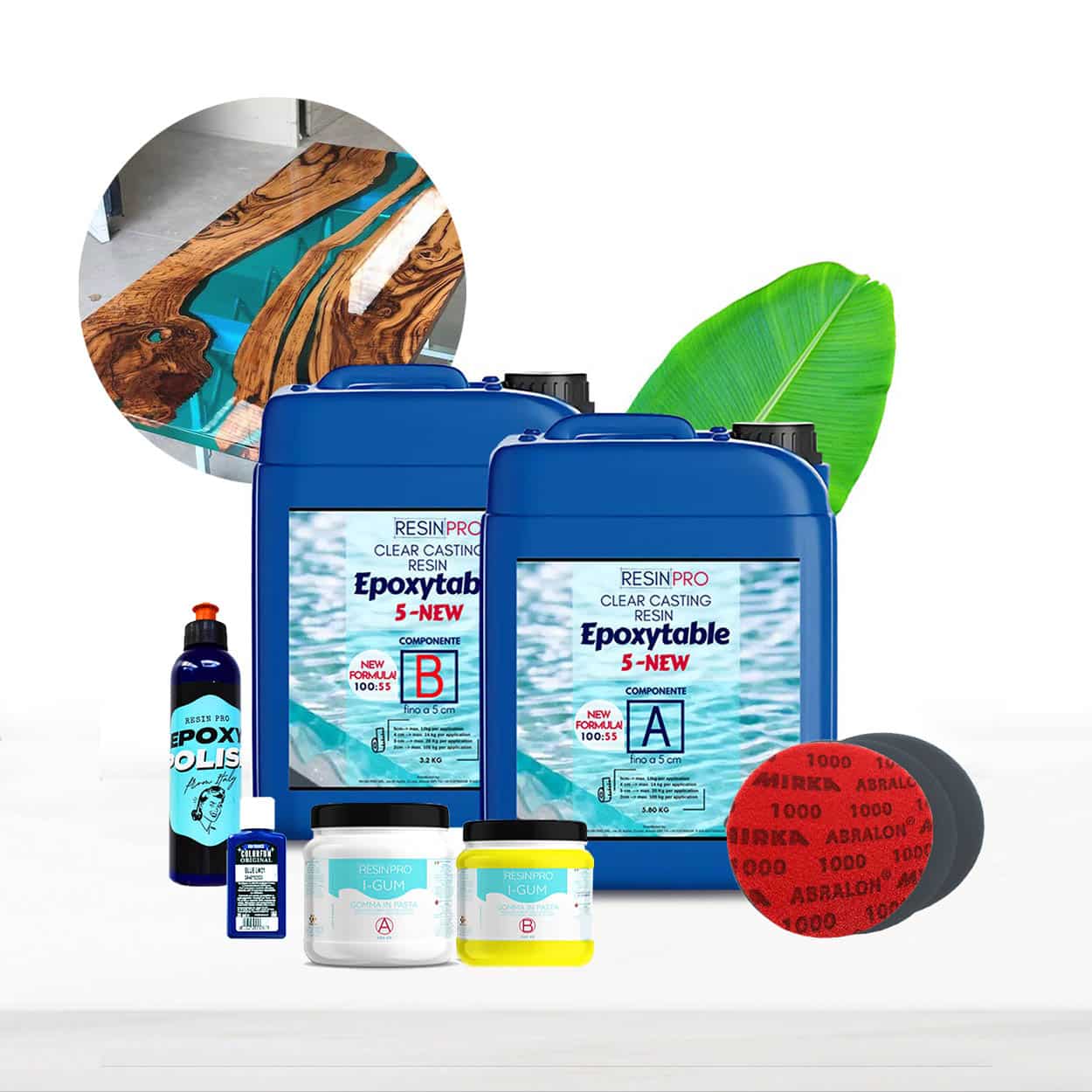
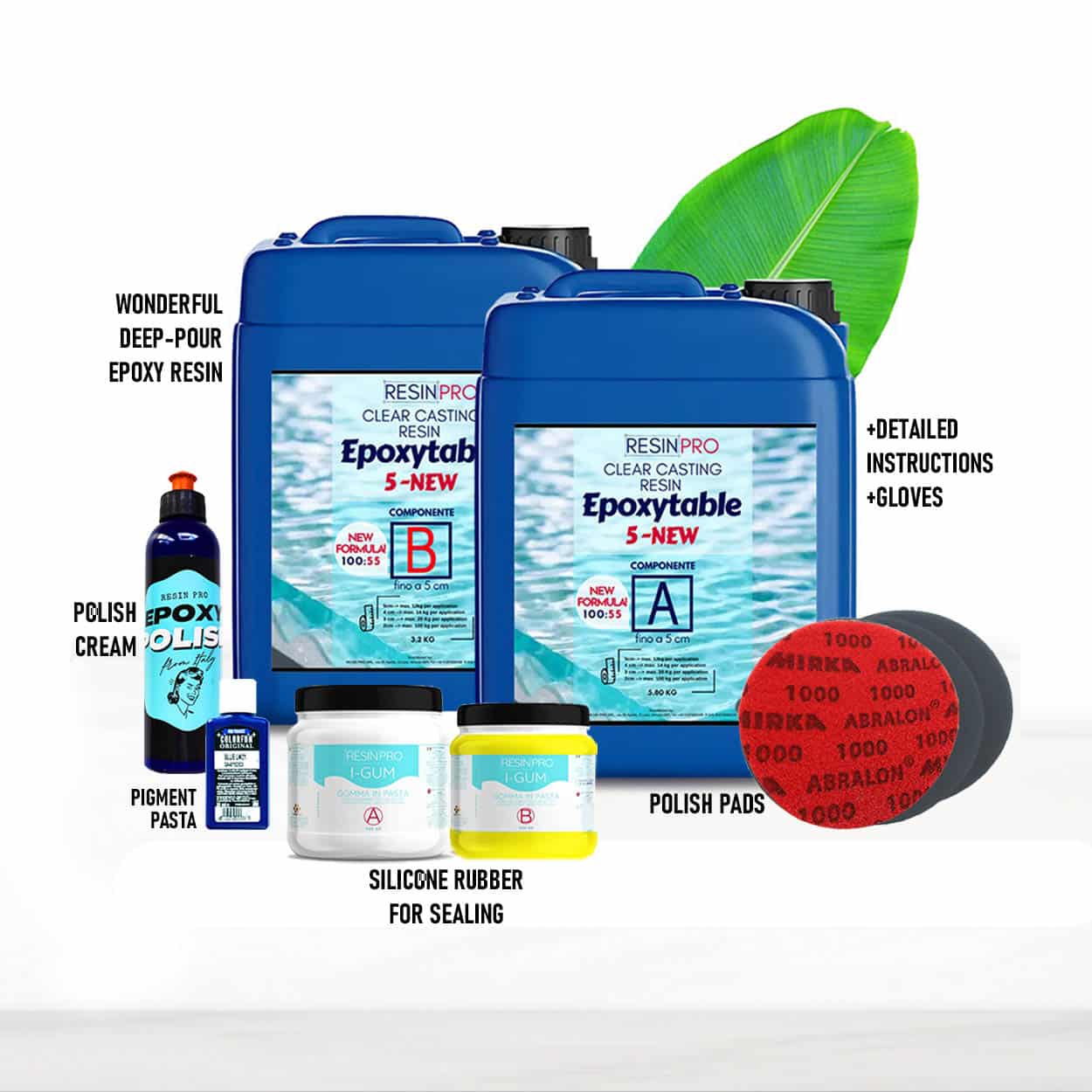
Starting a resin casting project such as a river table requires preparation and precision, especially when making the formwork and pouring the resin. With the correct guidance and an all-in-one kit, beginners and experienced creators alike can achieve excellent results.
Building the Formwork
Formwork serves as a mould to hold your wood and resin in place while curing. It is essential to construct a sturdy, leak-resistant box using materials like melamine-coated boards, which help prevent resin from sticking. Use a specialist silicone sealant along all internal joints to reduce leakage and employ release film or tape inside the form. This makes removal easier and helps protect your finished project.
- Double-check for gaps or holes before pouring the resin.
- Apply the release agent or film thoroughly for effortless demoulding.


Pouring and Casting the Resin
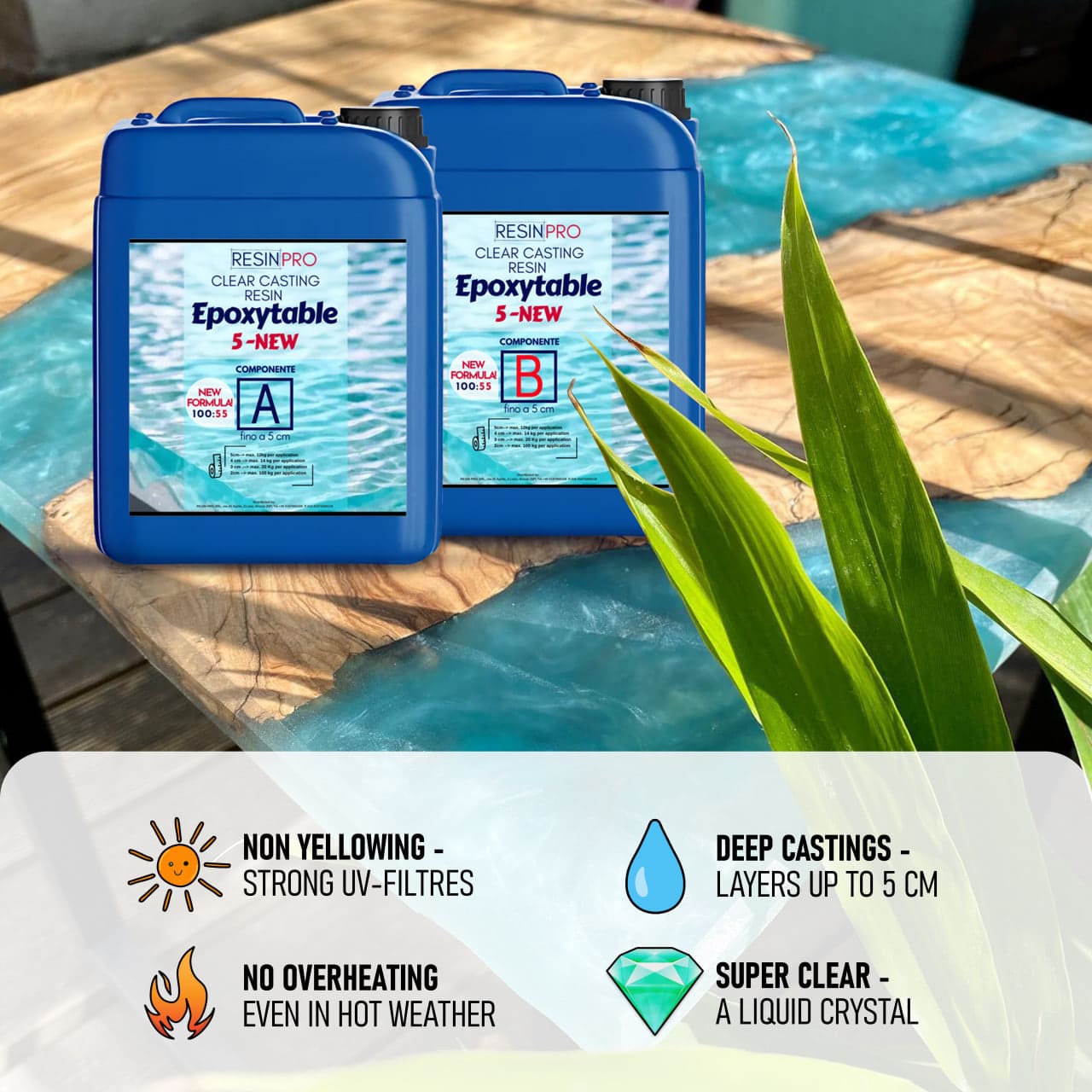
Once the formwork is secure, you can start mixing and pouring the resin. For larger projects (like tables up to 1.30m x 1.30m), select a resin designed for the required depth—such as the EpoxyTable 5-Five for up to 5cm thick layers in one go. Mix carefully, following the manufacturer’s ratio, and pour in stages if needed to avoid overheating. Always allow layers to partially cure before adding more.
- Work in a dust-free environment to prevent surface flaws.
- Monitor resin volume to avoid spills and wastage.
Finishing Touches and Polishing
After the resin has fully cured, dismantle the mould and finish the piece’s edges using fine sandpaper. Kits such as the “River-Table” Complete Kit include polishing compounds and pads to achieve a brilliant, glossy surface.
- Wipe down your project before applying polishing cream.
- Work through grit levels for a refined shine.
When This Matters
Careful formwork and resin casting technique make all the difference for large, visible surfaces such as dining tables or statement pieces. Well-made moulds prevent leaks, while appropriate resin types and conservative pour depths avert curing problems, helping deliver a professional finish.
Related products
Related guides
By following these steps and using a purpose-designed resin kit, even those new to resin projects can confidently tackle a 1.30m by 1.30m table. For more advice on resin quantities needed for your project, visit the main resin volume guide.