 Free shipping on orders over £29,85
  Shipping Tracking!


 Google
 Facebook
← Back to How much resin per square metre?
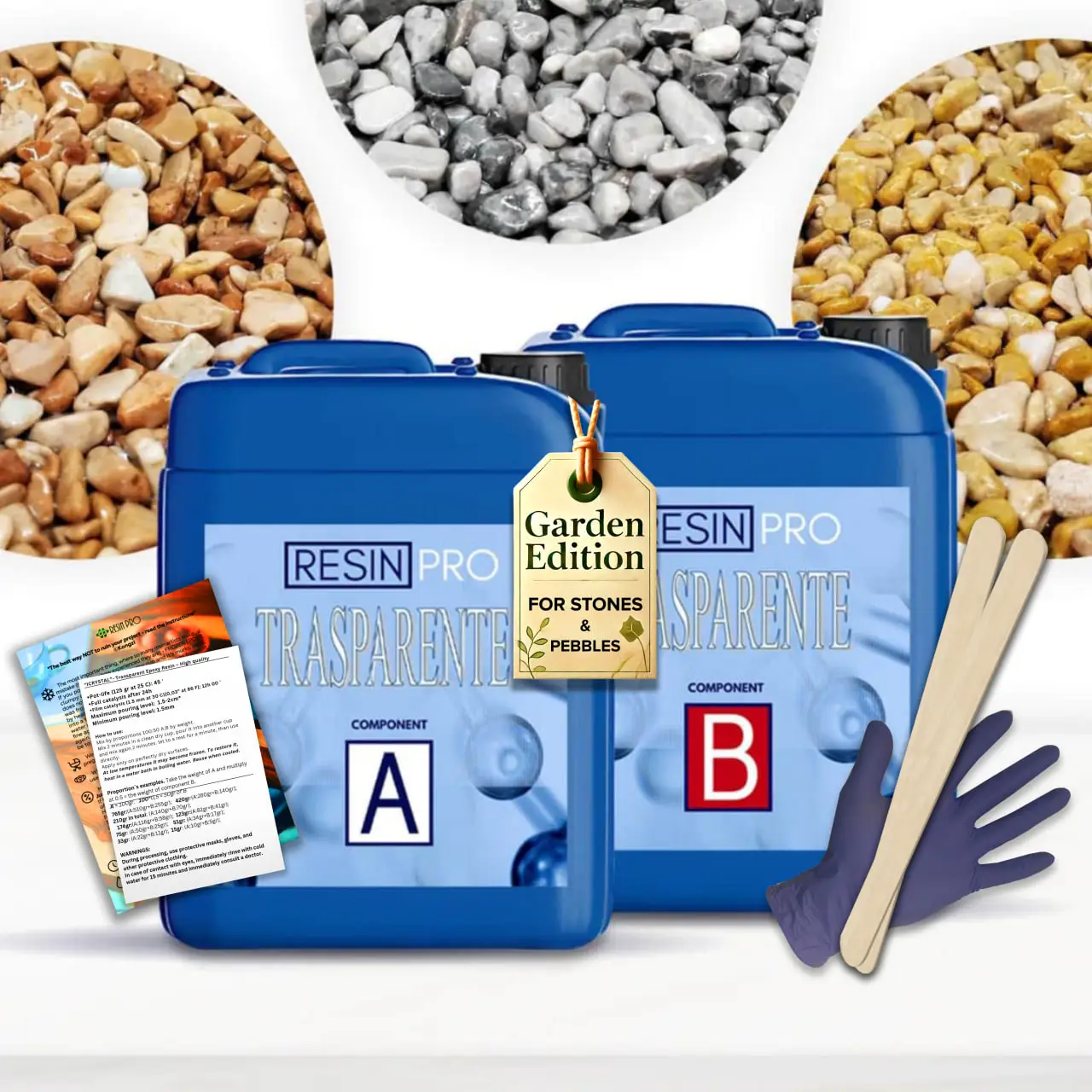
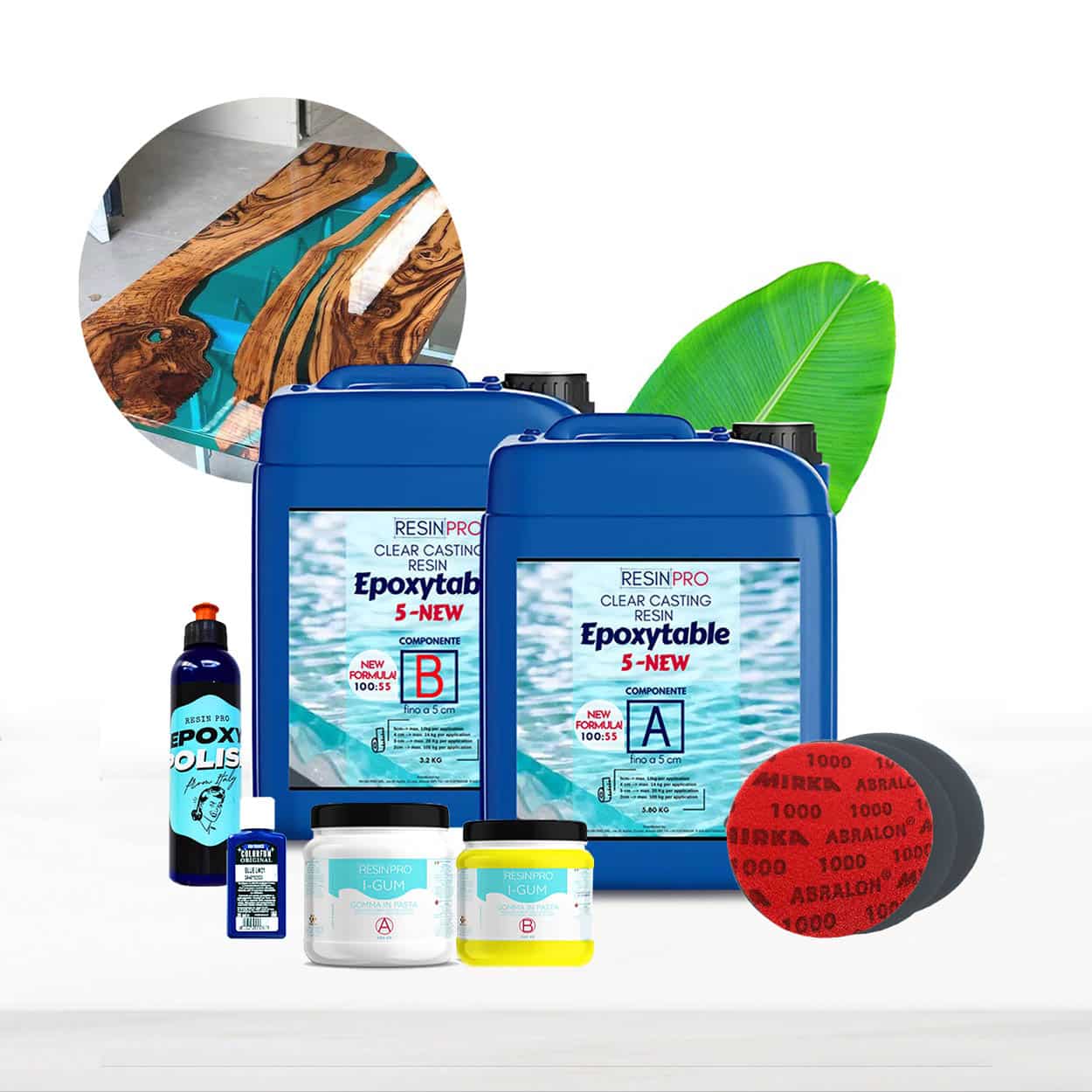
If you’re planning to cast epoxy resin or create decorative floors, understanding the maximum recommended casting thickness is essential for achieving strong, consistent results. For many applications, a 2 cm depth per layer is best practice.
Why Limit Epoxy Pours to 2 cm?
Casting resin in layers thicker than 2 cm can generate excess heat, causing issues like bubbling, yellowing or uneven curing. Staying within a 2 cm limit allows for controlled heat release and a clearer finish. This is especially important when working on surfaces such as driveways, decorative pebble floors, or when embedding objects in resin.

How to Build Up Thicker Projects
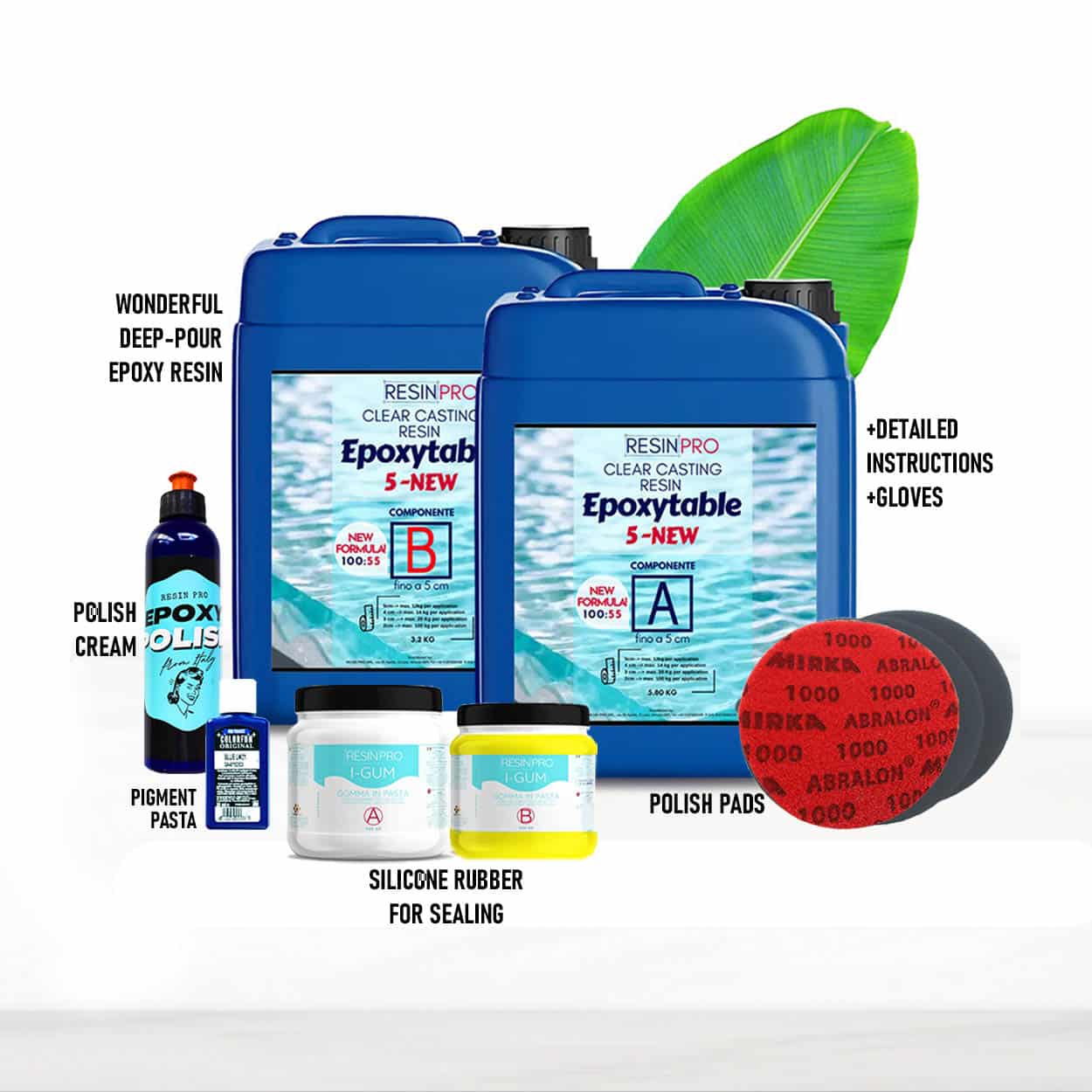
For pieces requiring more depth, such as river tables or raised flooring sections, it’s best to work in multiple layers. After pouring the initial 2 cm and letting it partially cure, additional layers can be poured to achieve the desired thickness. Using kits like the “River-Table” Complete Kit makes managing this easier, as quantities and instructions are tailored for incremental applications.
When This Matters Most
- Creating decorative or functional floors with pebbles and resin, where even layering ensures optimal strength.
- Pouring resin for art, countertop coatings, or table designs that require clarity or embedded elements.
- DIY projects where simple, reliable cures reduce the risk of flaws in the final result.

Related products
Related guides
Sticking to a 2 cm casting thickness helps both professionals and DIYers achieve dependable, visually appealing outcomes. For full advice on calculating resin per square metre for your project, explore the full how much resin per square metre guide.