 Free shipping on orders over £29,85
  Shipping Tracking!


 Google
 Facebook
← Back to How many hours does two-component resin need to dry?
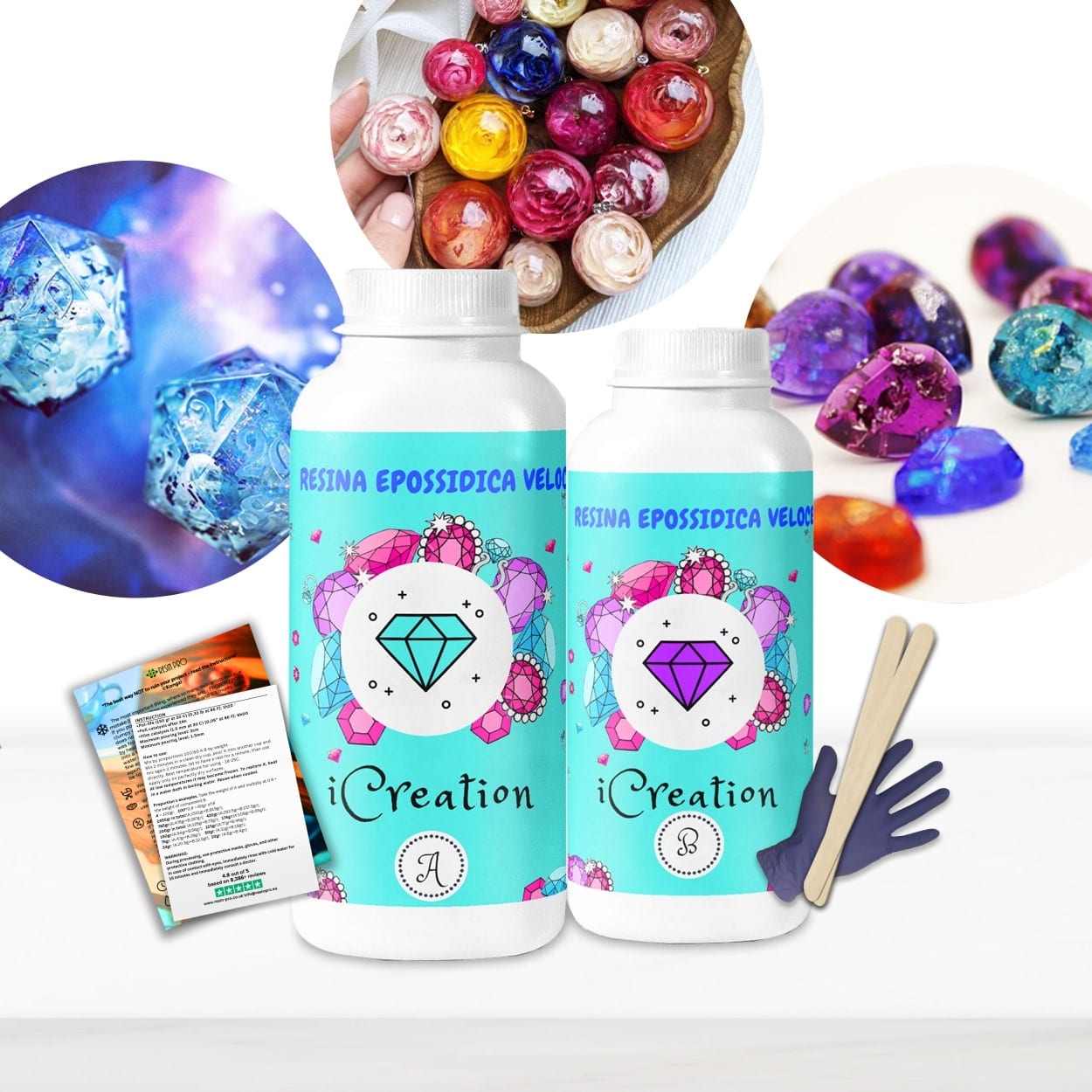
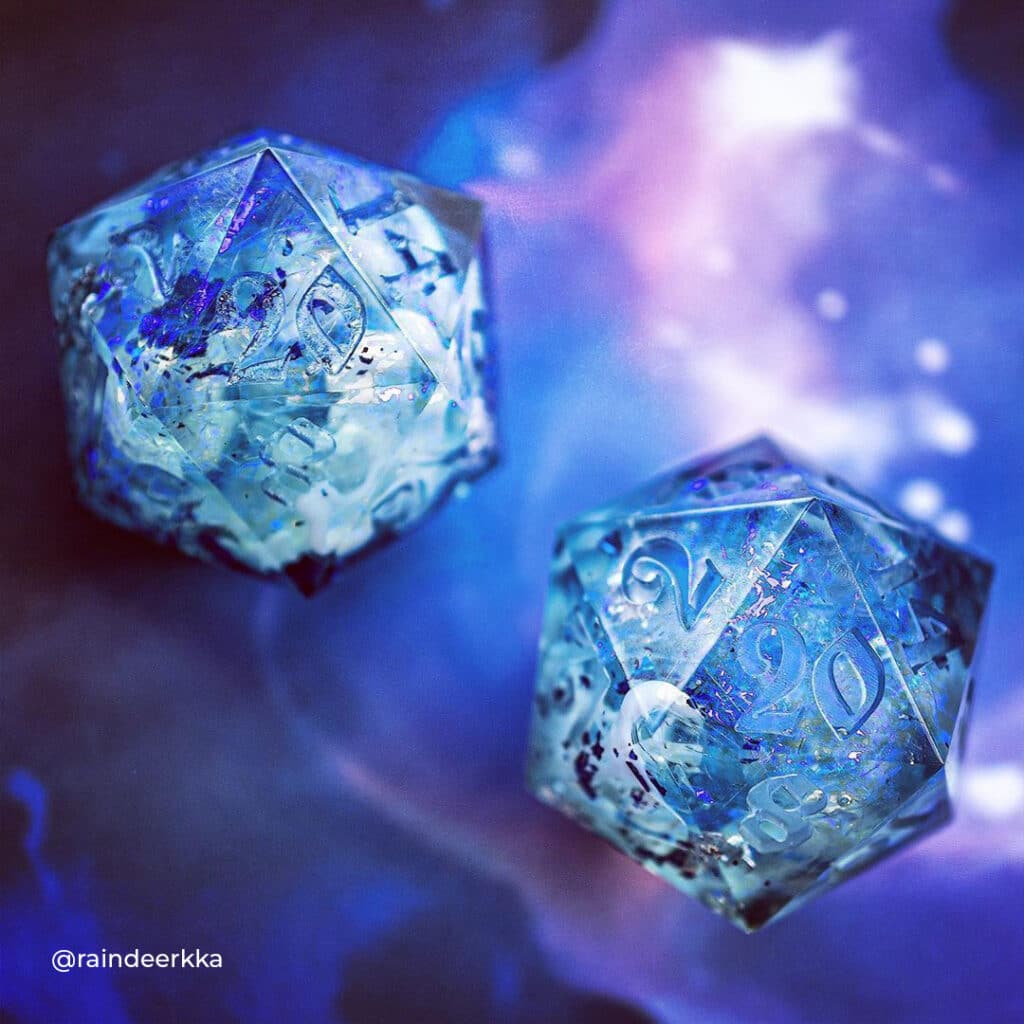
The time it takes for two-component epoxy resin to dry can vary greatly depending on your working conditions and product choice. A clear understanding of these factors allows you to better plan and achieve optimal results for your creative or repair projects.
Temperature and Humidity
The ambient temperature has a significant effect on resin drying. Epoxy resins cure faster in warm settings, with most products performing best at room temperature (around 20–25°C). Cold environments can dramatically slow curing, sometimes stalling the process altogether. Likewise, high humidity can cause cloudiness or improper curing, while a dry, well-ventilated room helps ensure a thorough and even set.
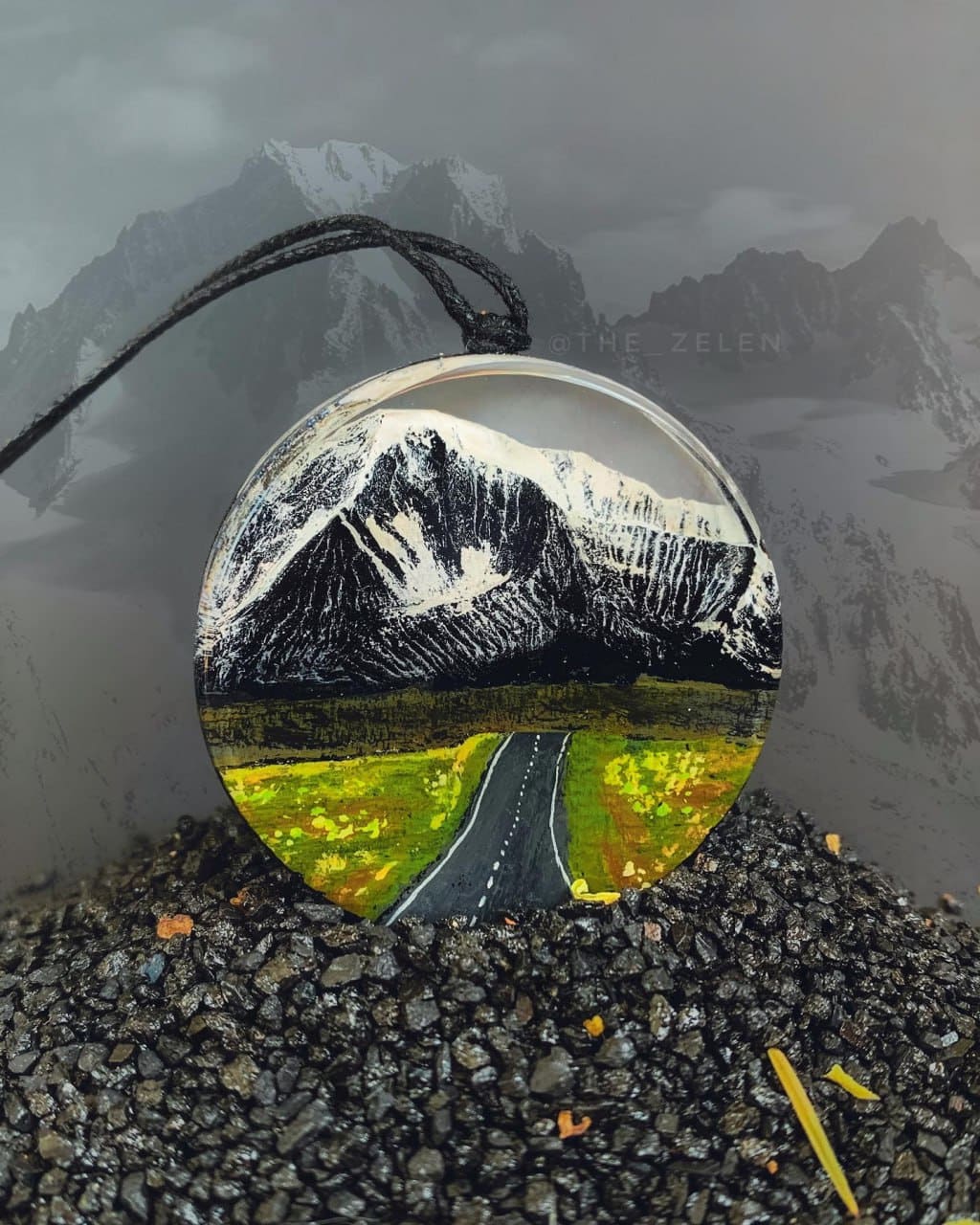
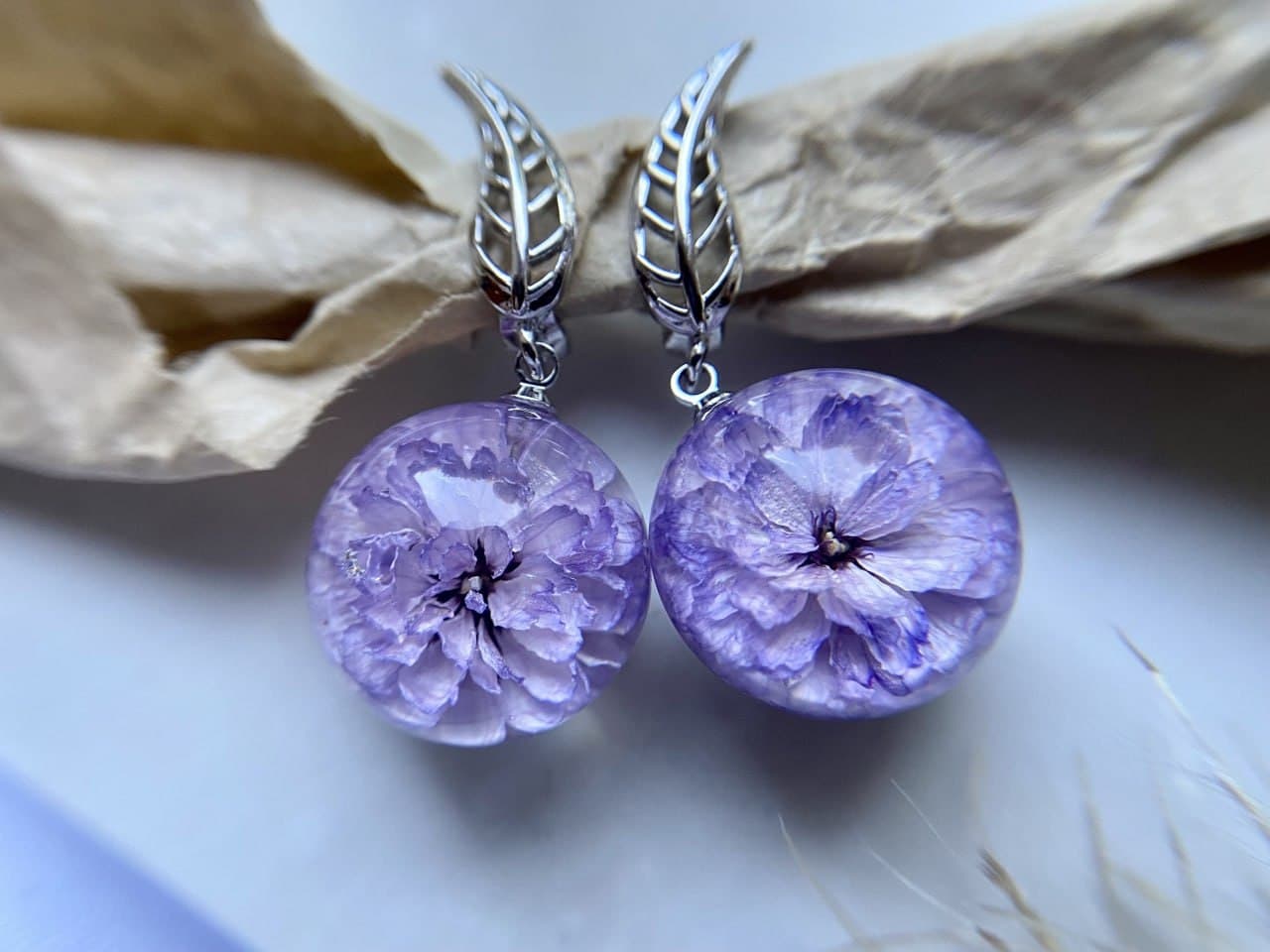
Casting Thickness and Product Choice
Thicker resin projects generate more heat, which can accelerate curing. However, pouring resin too thick in one go may result in overheating or surface imperfections. It’s important to select a resin matched to your project’s thickness. For rapid results on small items like jewellery, a fast-curing formulation such as ICreation Fast Epoxy Resin may be ideal. For larger pours or tables, slower formulations like EpoxyTable 5-Five are designed for deep casting without excessive heat build-up.
Tips for Faster, Even Curing
- Work in a steady, warm, and dry environment, keeping temperature consistent.
- Choose a resin formulated for your application and thickness.
- Mix components accurately, following manufacturer guidelines for ratios and mixing time.
- Avoid moisture on surfaces and in the air to reduce the risk of clouding or tackiness.

When This Matters
Understanding these variables is essential if you’re working on time-sensitive projects, large castings, or aiming for a flawless, glass-like finish. The right choices will ensure your resin cures properly and on schedule.
Related products
Related guides
Knowing what affects epoxy resin drying times helps you achieve more predictable, professional results. For further details on typical drying durations and additional tips, visit our main guide on how many hours two-component resin needs to dry.