 Free shipping on orders over £29,85
  Shipping Tracking!


 Google
 Facebook
← Back to How many hours does two-component resin need to dry?

Achieving a flawless finish with two-component resin depends on careful preparation and avoiding a few common errors. Understanding what to steer clear of will boost your chances of a perfect result, whether you’re casting jewellery, coating a table, or fixing something important.
Mixing Matters: Avoid Under-Mixing and Wrong Ratios
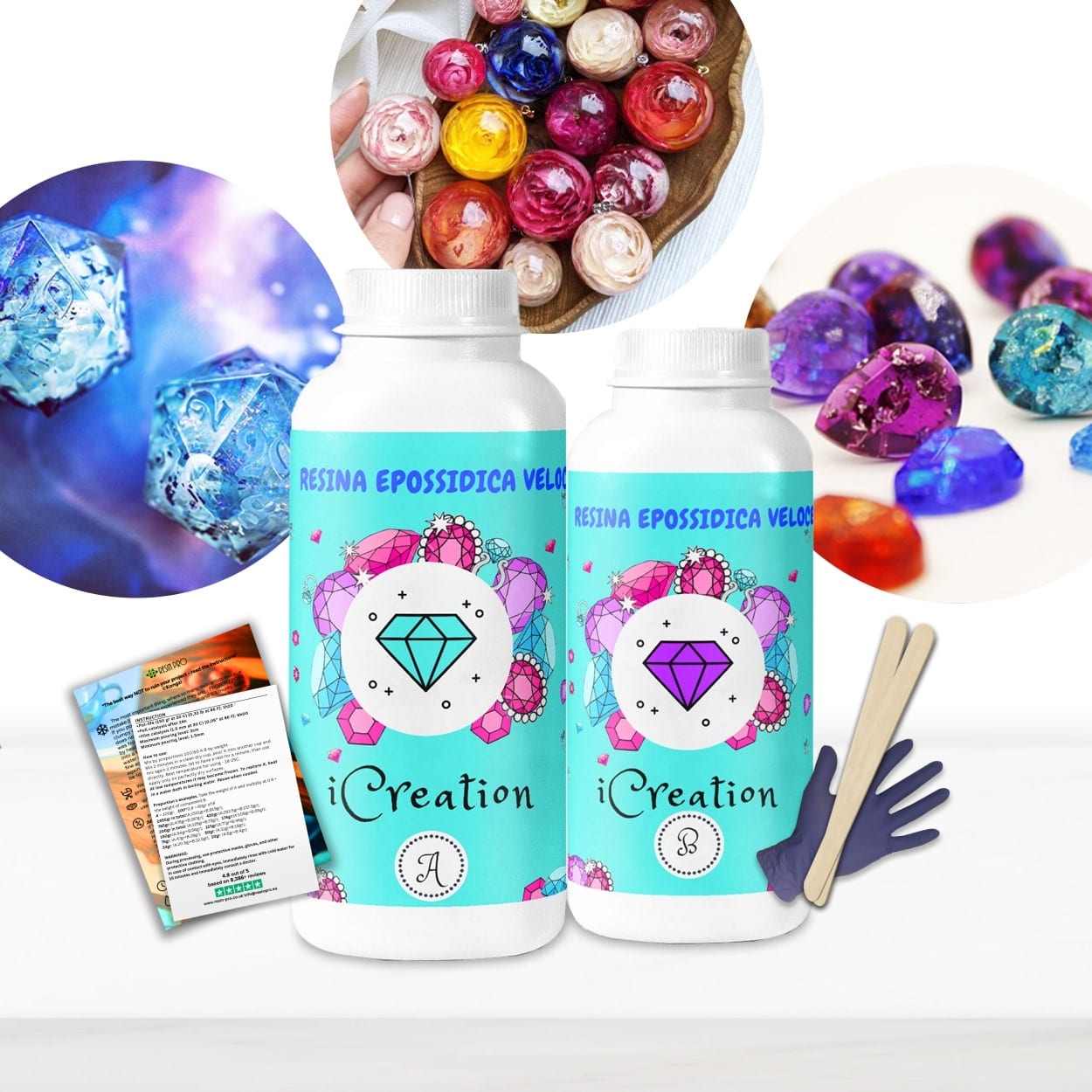
One of the most frequent issues with resin is under-mixing or using incorrect component proportions. Always measure components precisely according to your supplier’s guidance. Under-mixing may leave streaks or soft patches in your finished project. Pay attention to instructions—some resins, like the ICreation fast epoxy resin, have a simple 2:1 ratio to help ensure consistency. Stir thoroughly, scraping the sides and bottom of your mixing container to combine both parts fully.


Pouring Depth and Heat Control
Poor pouring habits can also affect curing. Pouring resin too thick in a single layer can trap heat, resulting in cracks or uneven surfaces. Check your product’s recommended maximum pour depth—some deep-pour epoxies, such as the EpoxyTable 5-Five, allow up to 5cm, while others like Icrystal recommend thinner layers. For larger projects, pour in stages and allow adequate time between each layer for best results.
When This Matters
- Ambitious art or furniture projects with large or deep pours
- Jewellery making where clarity and strength are essential
- Situations requiring precise, strong bonds such as repairs or crafts

Related products
Related guides
Avoiding typical mistakes like incorrect mixing, proportion errors, and pouring too thickly will give you the best chance of a successful resin cure. For further advice and typical drying times, see our main guide on how long two-component resin needs to dry.