 Free shipping on orders over £29,85
  Shipping Tracking!


 Google
 Facebook
← Back to How many litres of resin per square metre?
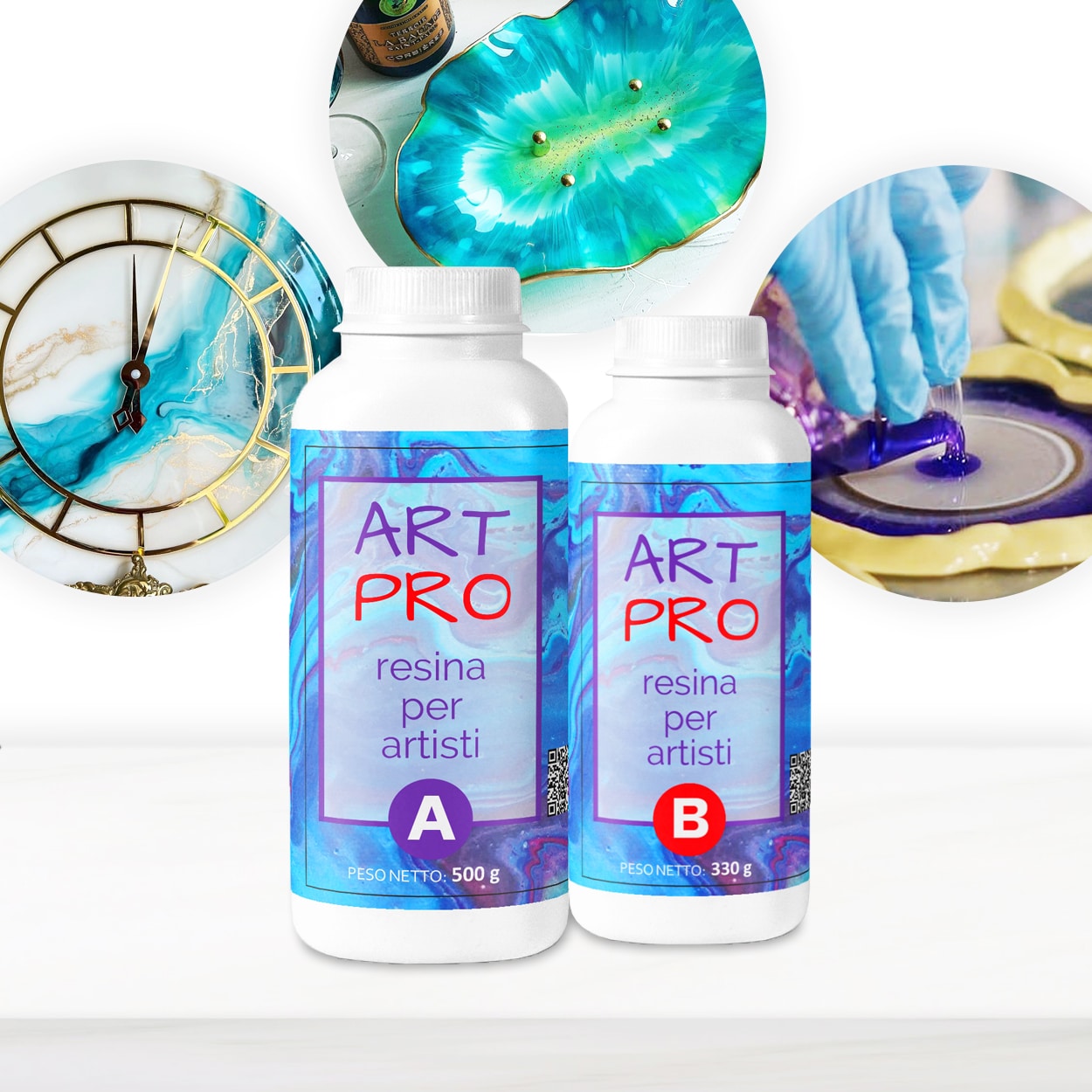

Choosing between art resin and casting resin can be confusing, especially when it comes to how much area they cover. The difference mainly comes down to thickness and the way each resin is meant to be used.
Understanding Resin Coverage
Art resins, like Art Pro, are formulated for thin, even coatings. They’re typically applied in layers around 1–2mm thick, making them ideal for surface work such as coasters, trays, and artwork topcoats. In contrast, casting resins—such as the Trasparente Multipurpose Resin—are designed for deeper pours, often 1cm or more, allowing you to embed objects or build up thicker layers for projects like river tables and decorative moulds. This fundamental difference means the same amount of each resin covers a different surface area, as thicker pours consume more volume per square metre.


Choosing the Right Resin for Your Project
To select the right resin, assess your project’s needs. For a durable, glass-like finish on tabletops or art pieces where a thin layer is required, an art resin is often the best choice. These are easy to mix and spread conveniently in shallow applications. However, for moulds, inclusions, or thick tabletops (such as river tables), casting resins handle deep pours without issues such as overheating or improper curing. Products like EpoxyTable 5-Five are suitable for these types of deep pours, up to 5cm in one layer.
When This Matters
Understanding the difference in coverage is crucial any time you plan a project by surface area but must also factor in thickness—such as calculating litres of resin per square metre. Using a resin for its intended thickness ensures reliable results, proper curing, and reduces waste.

Related products
Related guides
For further guidance on calculating resin amounts per surface area and choosing between art and casting resins, visit our main FAQ on how many litres of resin per square metre.