 Free shipping on orders over £29,85
  Shipping Tracking!


 Google
 Facebook
← Back to How long does UV resin take to cure?
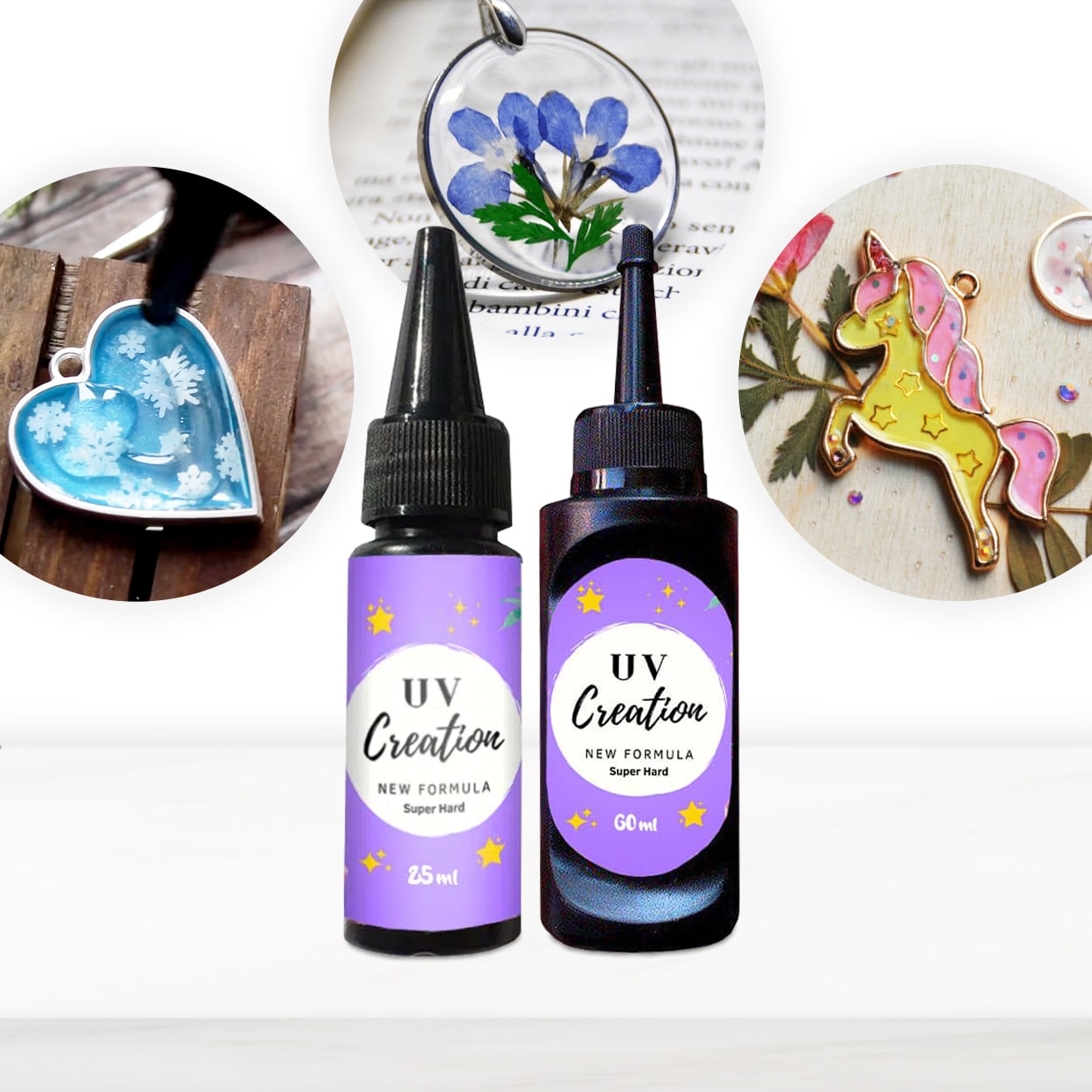
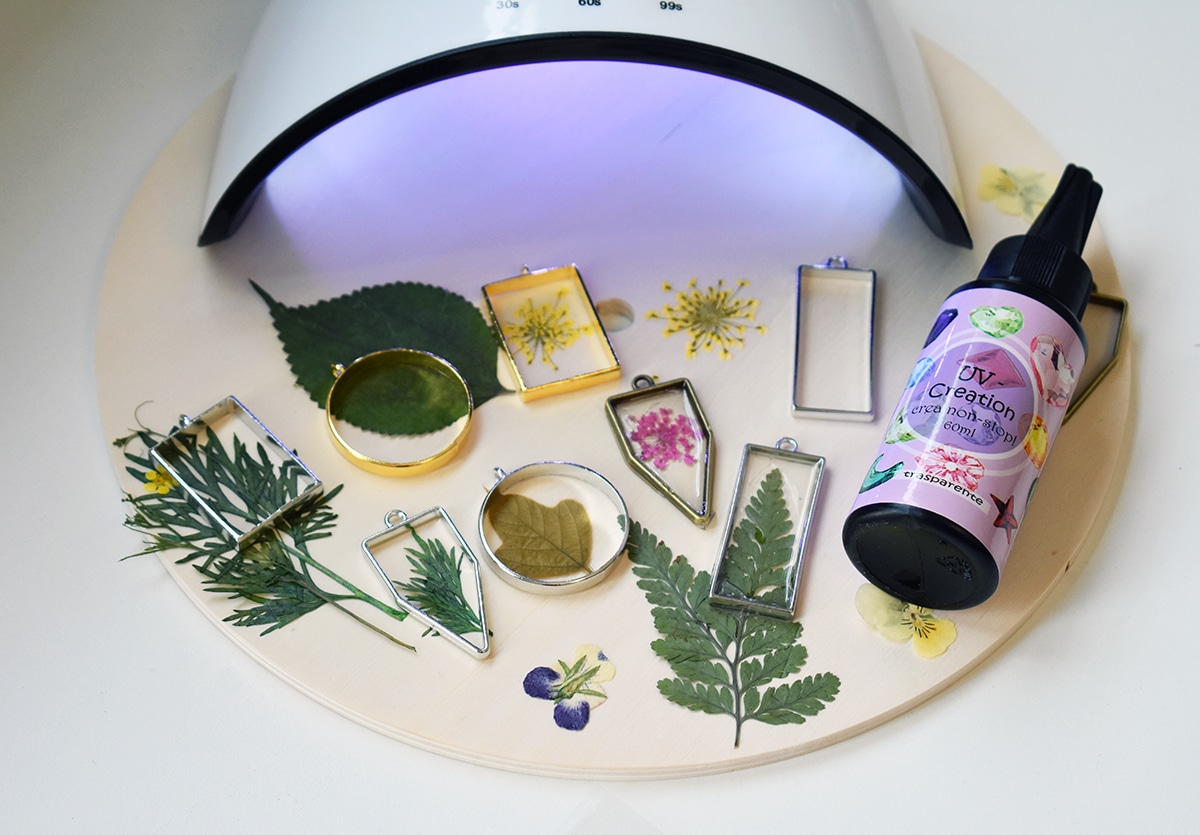
UV resin is popular for crafting and jewellery making thanks to its quick-setting properties. However, it’s essential to know how to handle it safely, especially before it has fully cured under UV light.
Why You Should Avoid Touching Uncured UV Resin
Uncured UV resin remains sticky and can easily transfer to your skin. This not only makes for a messy working environment, but direct contact may also cause skin irritation or an allergic reaction in some individuals. For these reasons, it’s best to wear gloves and avoid any unnecessary skin contact with resin until it has been fully cured and hardened using a suitable UV lamp or torch.

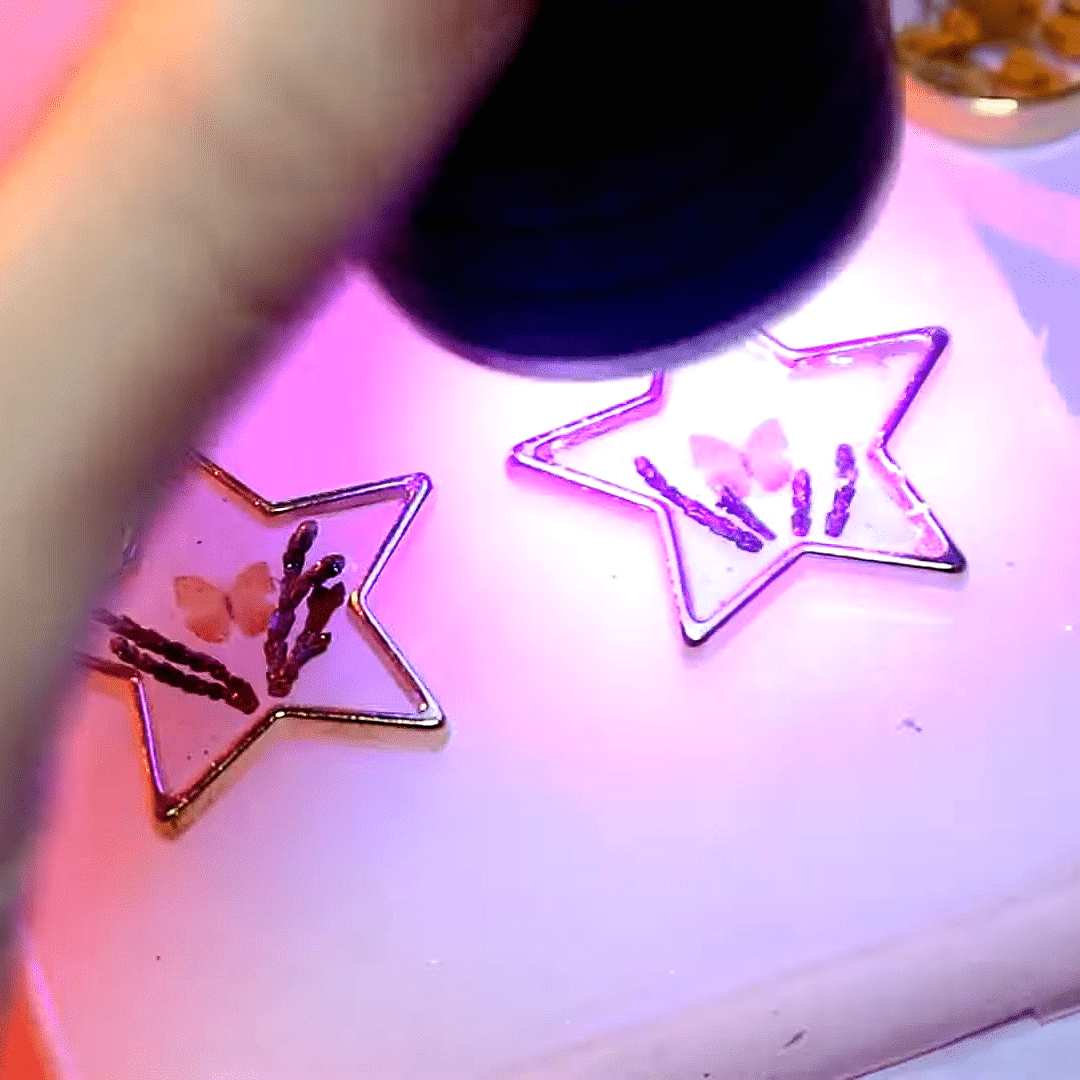
Safe Handling Tips and What to Do if Contact Happens
Always use protective gloves and work in a well-ventilated space when handling UV resin, especially before curing. If resin accidentally gets on your skin, wash the area promptly with soap and plenty of water. Avoid using solvents, as these can worsen skin sensitivity. Keeping curing equipment like the “UV–Creation” – Fast Acrylic Resin, 3 Minute UV Cure or a 380W UV Lamp close by ensures you’re able to fully harden resin quickly for safer handling.
When This Matters Most
This guidance is particularly important for crafters working with detailed pieces or casting in layers, as there’s a higher risk of accidental contact with uncured resin. Paying extra attention during these steps helps prevent irritation and creates a safer crafting experience for all users.

Related products
Related guides
Handling UV resin with care ensures both safety and the best possible results in your creative projects. For more advice on working with UV resin and to understand proper curing times, visit our main guide on How long does UV resin take to cure?.