 Free shipping on orders over £29,85
  Shipping Tracking!


 Google
 Facebook
← Back to How long does it take for resin clay to cure?
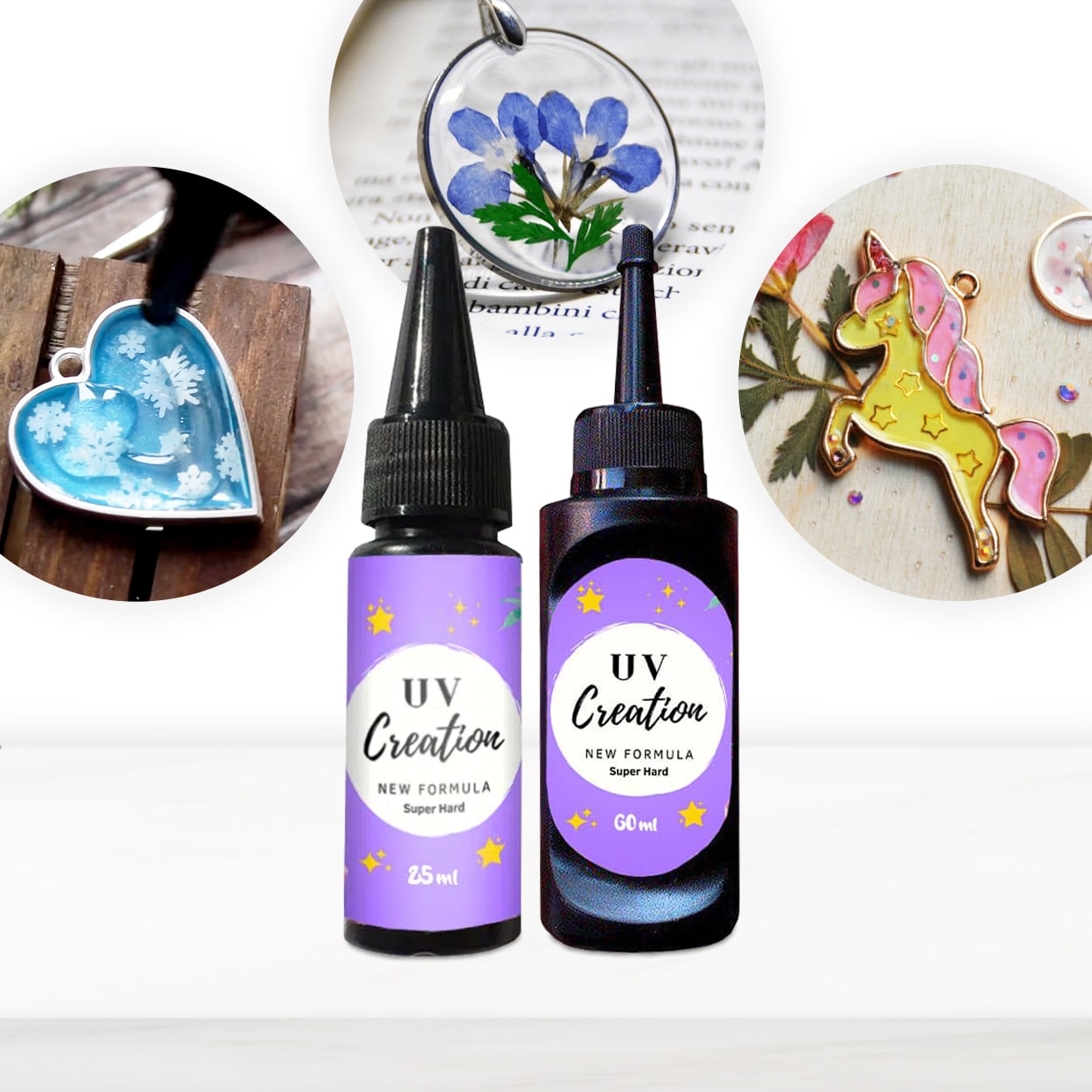
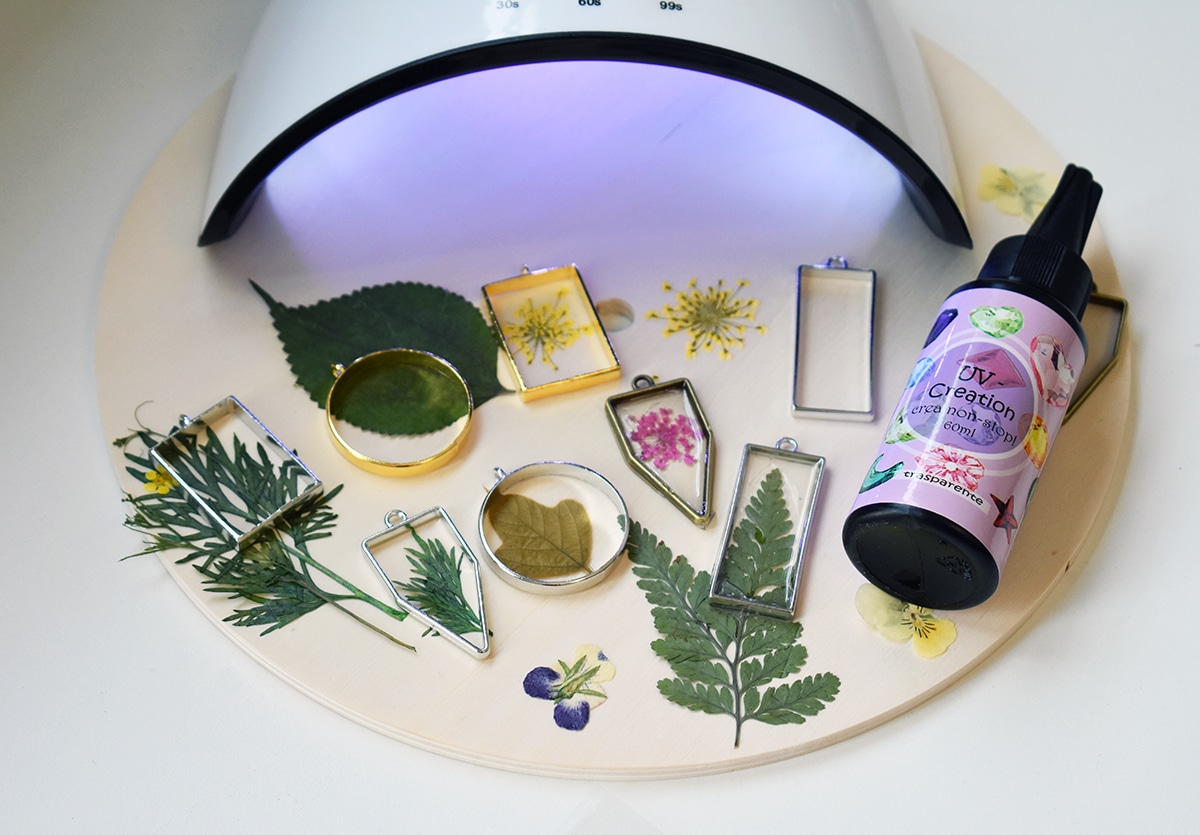
UV-curing acrylic resins have become a favourite among jewellery makers and crafters who want rapid, reliable results. This guide explains what makes UV resin unique, how it cures, and when to choose it for your creative work.
How UV-Curing Acrylic Resins Work
UV-curing acrylic resins are liquid resins that harden when exposed to a suitable UV light source. Unlike traditional two-part resins that require mixing and can take hours to set, UV resins contain a photo-initiator that triggers curing in minutes. An example is UV–Creation Fast Acrylic Resin, which cures in just 2–3 minutes when properly illuminated.
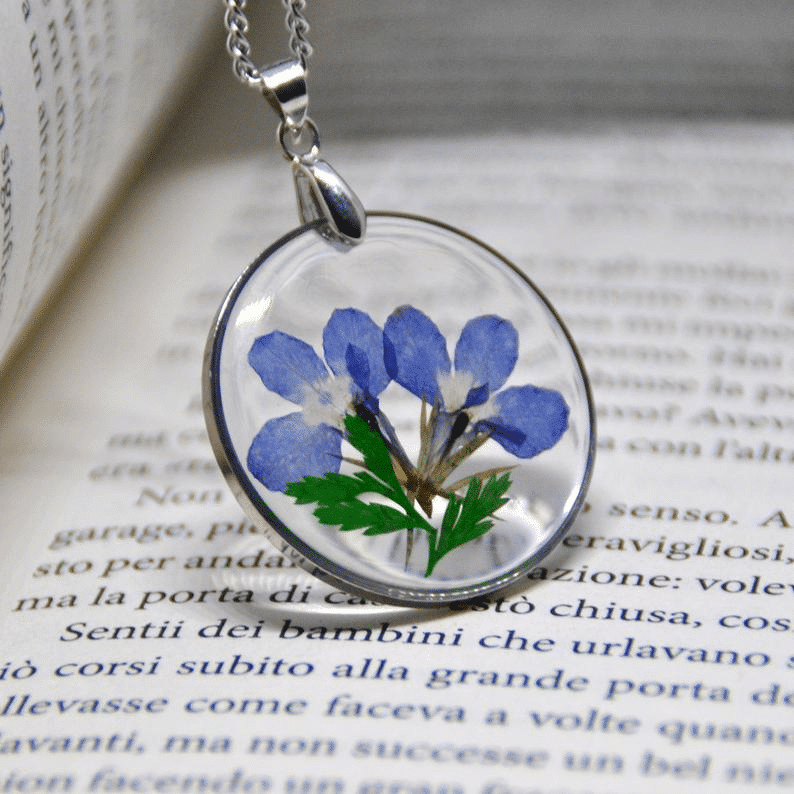
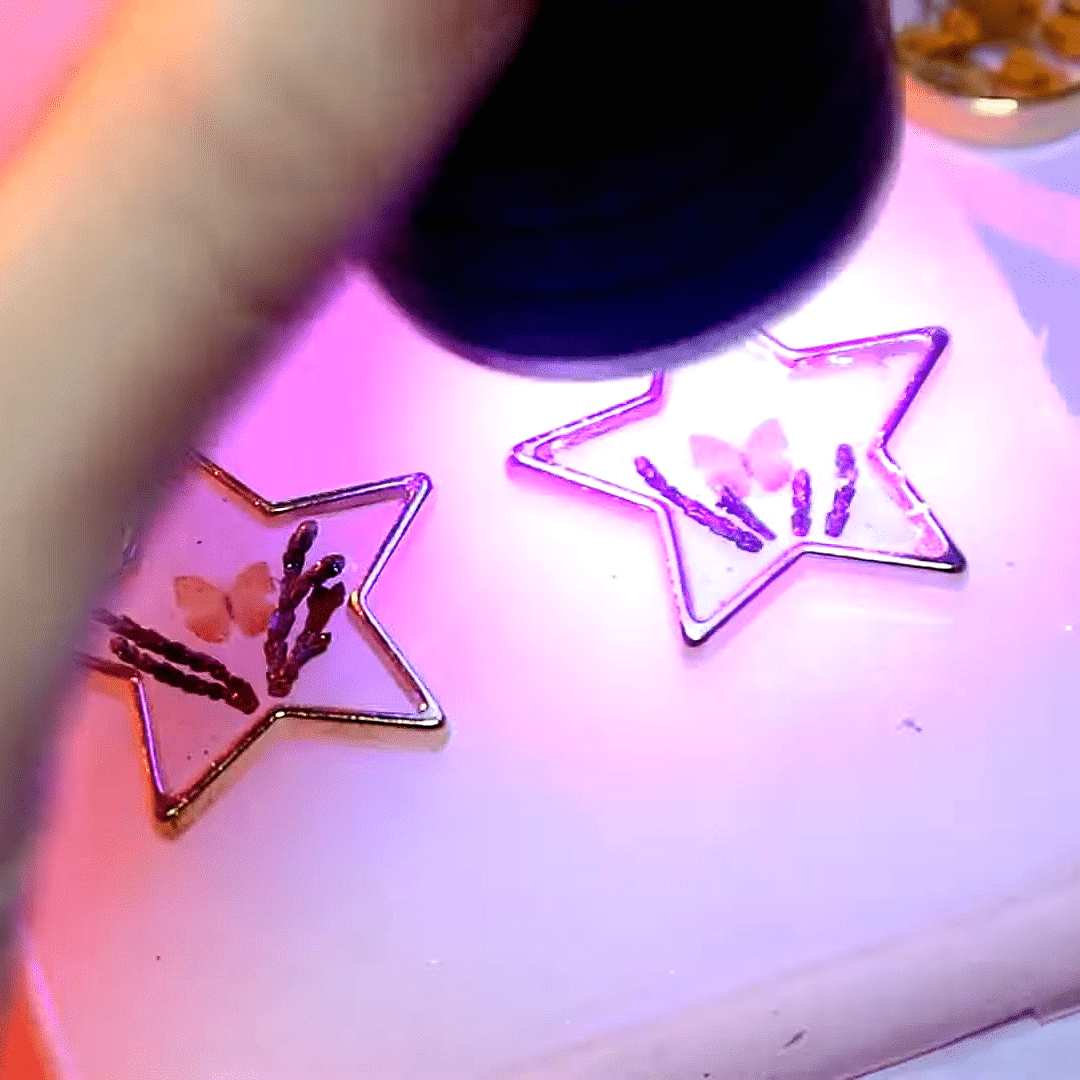
Practical Use and Curing Tips
To achieve a clear, glossy finish, apply UV-curing resin in thin layers—usually no more than 3 mm at a time—exposing each layer to UV light for two to three minutes. This approach prevents tacky surfaces and ensures thorough hardening. As a one-component system, there’s no need to mix parts, streamlining the process. Simply pour, shape, and cure.
- Prepare your workspace with a stable UV lamp designed for resin.
- Work in a dust-free area to avoid imperfections.
- Handle cured items immediately; there’s little to no sticky residue left after proper curing.
When Fast Curing Matters
Quick-curing UV acrylic resins are ideal for those with time-sensitive projects or when instant handling is needed—such as at craft fairs, jewellery workshops, or for last-minute gifts. If you want minimal wait time with reliable, glass-like results, these resins are well-suited for the job.
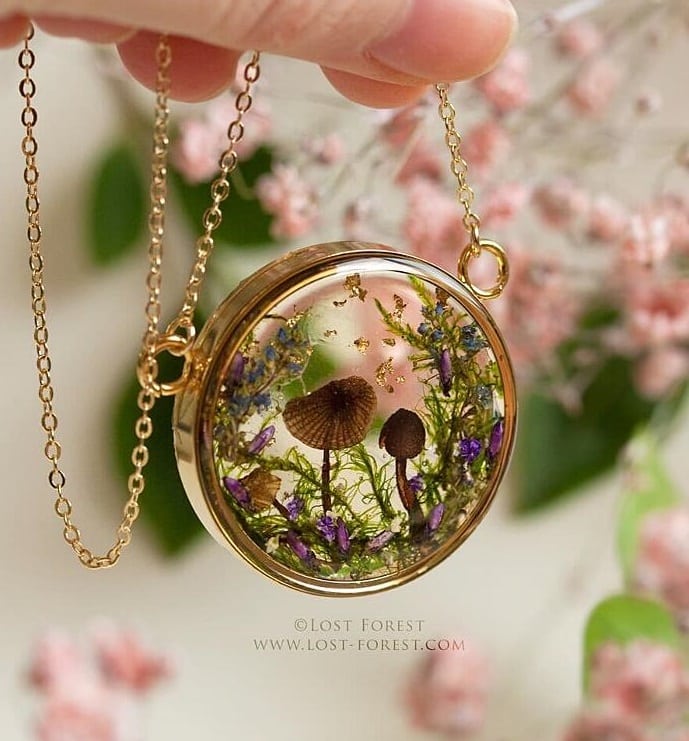
Related products
Related guides
Choosing a UV-curing acrylic resin streamlines your crafting experience and minimises downtime, making it especially popular among artists who value efficiency. For more on curing times and resin options, explore our comprehensive advice on resin clay cure durations.