 Free shipping on orders over £29,85
  Shipping Tracking!


 Google
 Facebook
← Back to How long does resin take to become amber?
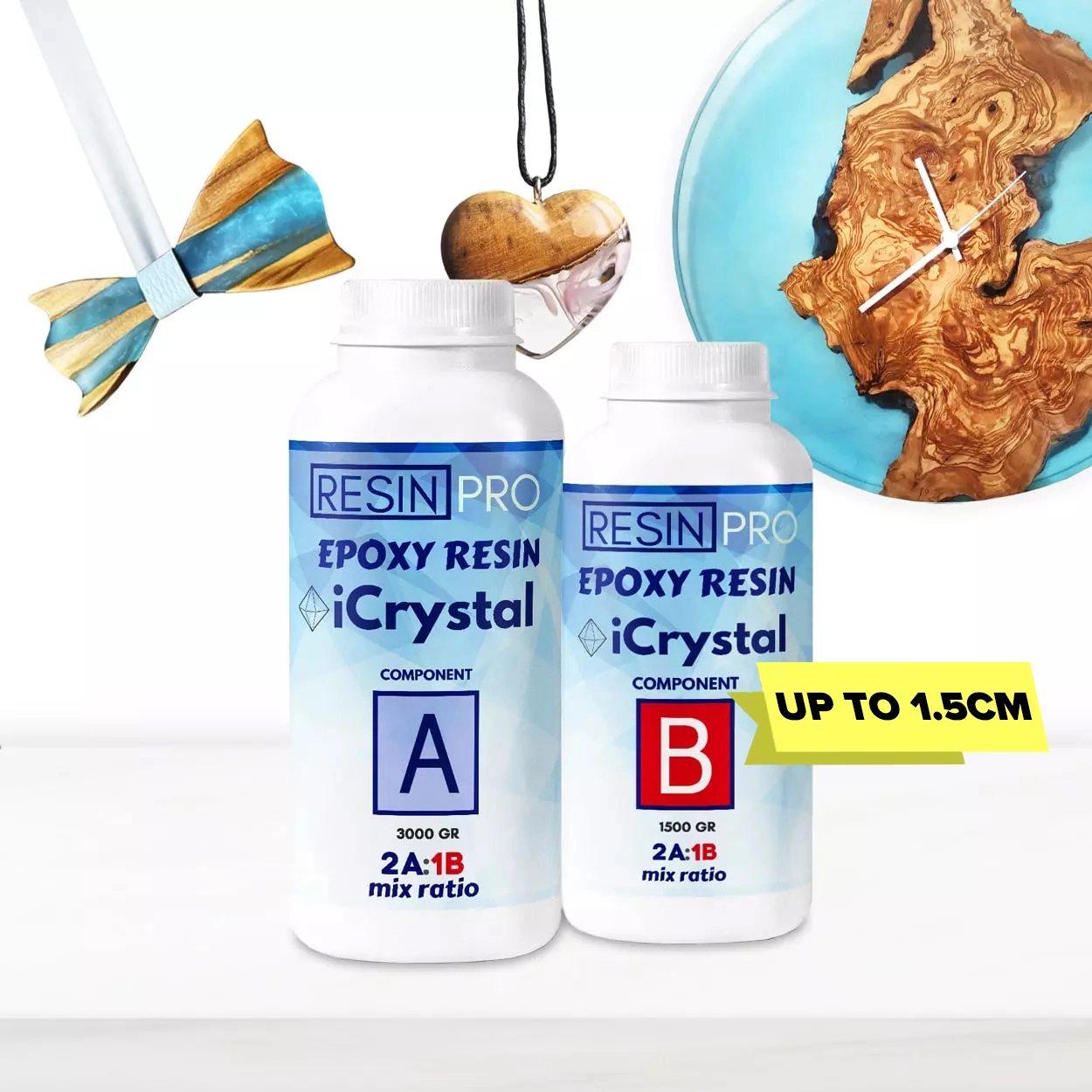

If you’re concerned that cleaning your resin project might cause it to yellow or become amber sooner, you’re not alone. The way you clean resin surfaces can make a real difference to how clear and bright they stay over time.
How Cleaning Can Influence Resin Ambering
Cleaning does play a small part in the long-term appearance of resin, but not always in the way people imagine. Clear resins, especially those like “Icrystal” Clear Epoxy Resin, are designed with UV-protective filters to help resist yellowing. However, if you use harsh chemical cleaners or abrasive pads, you risk damaging the resin’s surface or removing that protective layer. This can leave the resin more vulnerable to light exposure, which is one of the main causes of ambering.


Gentle Cleaning for Lasting Clarity
Keeping resin bright and translucent is mostly about using the right cleaning approach. Stick to soft, non-abrasive cloths or sponges and mild, soapy water. Avoid anything caustic or heavily scented—gentle is best. Promptly wipe up any spills, and dry the surface after cleaning rather than letting moisture sit. With these simple habits, you won’t accelerate the natural ageing of the resin surface.
- Never use scouring pads or abrasive brushes
- Avoid products containing bleach or ammonia
- Test any unfamiliar cleaner on a small area first
When This Matters Most
For items exposed to sunlight or used for decorative purposes, cautious cleaning safeguards both appearance and longevity. Artists or DIYers using premium resins for jewellery, tables, or intricate castings will especially benefit from gentle upkeep.

Related products
Related guides
Careful cleaning supports the long-term clarity of your resin creations. By choosing the right techniques, you help maintain your project’s original finish—one less thing to worry about as you explore more ways to use resin. For more guidance, return to our main page on how long resin takes to become amber.