 Free shipping on orders over £29,85
  Shipping Tracking!


 Google
 Facebook
← Back to How much does the resin body for the sauce cost?
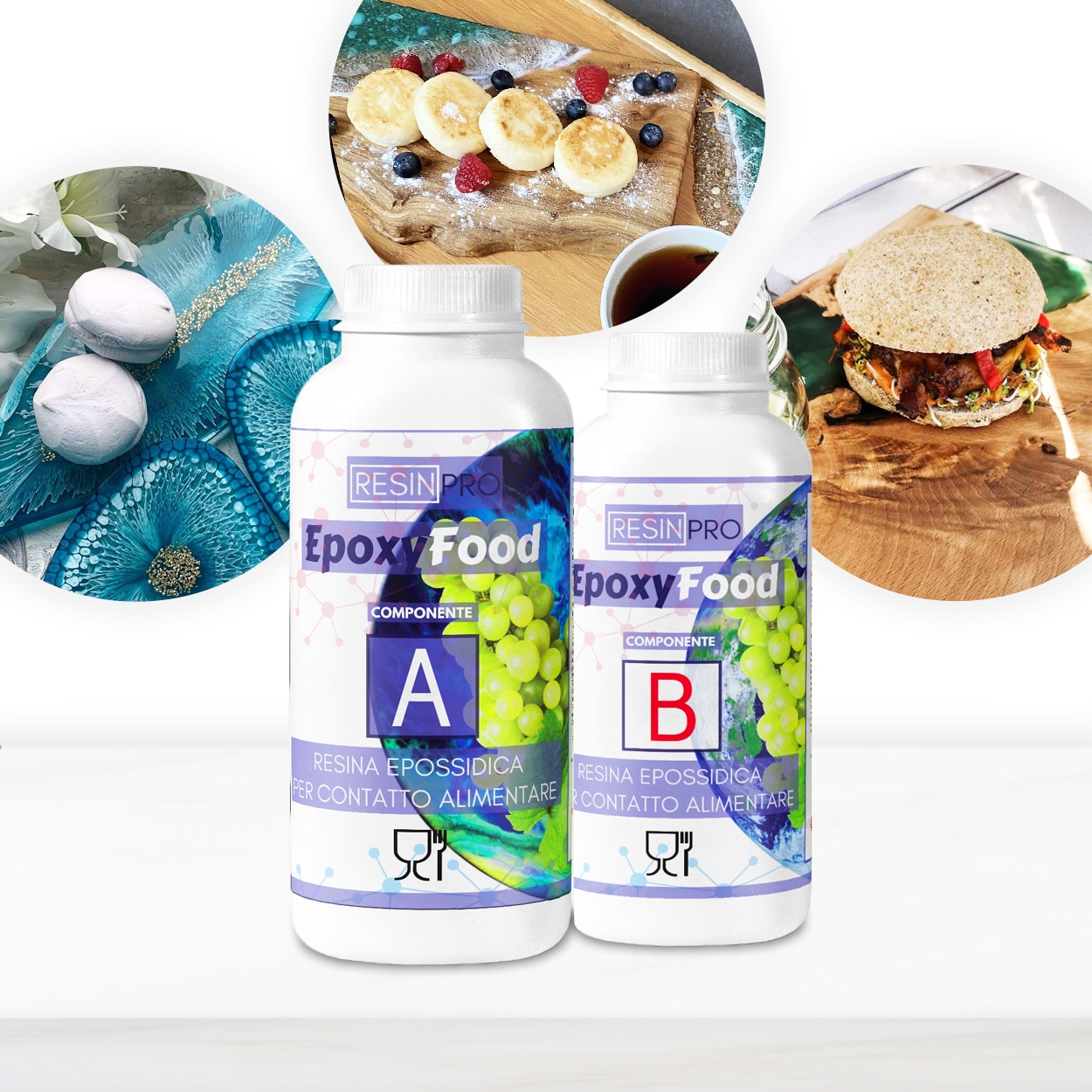

When planning to use resin for kitchenware or serving food, it’s crucial to understand how resins behave with heat and whether they’re suitable for contact with hot food. Here’s what you need to know about the heat resistance and appropriate use of epoxy resin with food.
Resin and Heat: What Are the Limits?
Most epoxy resins used for kitchen or artistic projects, including EpoxyFood, are heat resistant up to 70°C. This means the resin can handle warm items or dishes that don’t exceed this temperature. However, these products are not recommended for consistent or direct contact with hot food, such as freshly boiled soups or hot drinks straight from the pot.


Best Practices for Using Resin with Food
If you’re coating plates, boards, or bowls meant for serving snacks, cheese, or cold dishes, opt for resins certified for food contact, like EpoxyFood. Always ensure you follow the manufacturer’s mixing and curing instructions without introducing unauthorised additives. After full curing, such coatings may be used safely for cold snacks and non-alcoholic beverages, but they should not be exposed to high heat or act as a surface for placing hot pans or serving hot meals.
When Does This Matter?
Choosing the correct resin is particularly important when the item will be in contact with food or cleaned regularly. Surfaces that occasionally encounter mild warmth are generally fine; however, if frequent high heat or hot oils are involved, resin is not the optimal material. In these situations, consider alternative finishes or materials designed specifically for high-temperature food contact.

Related products
Related guides
Understanding the safe temperature range for resins helps you choose the right product for your kitchen or craft projects. For further details on pricing or options for food-contact resins, return to our main guide on resin body costs for sauce and food applications.