 Free shipping on orders over £29,85
  Shipping Tracking!


 Google
 Facebook
← Back to How much does two-component resin cost?
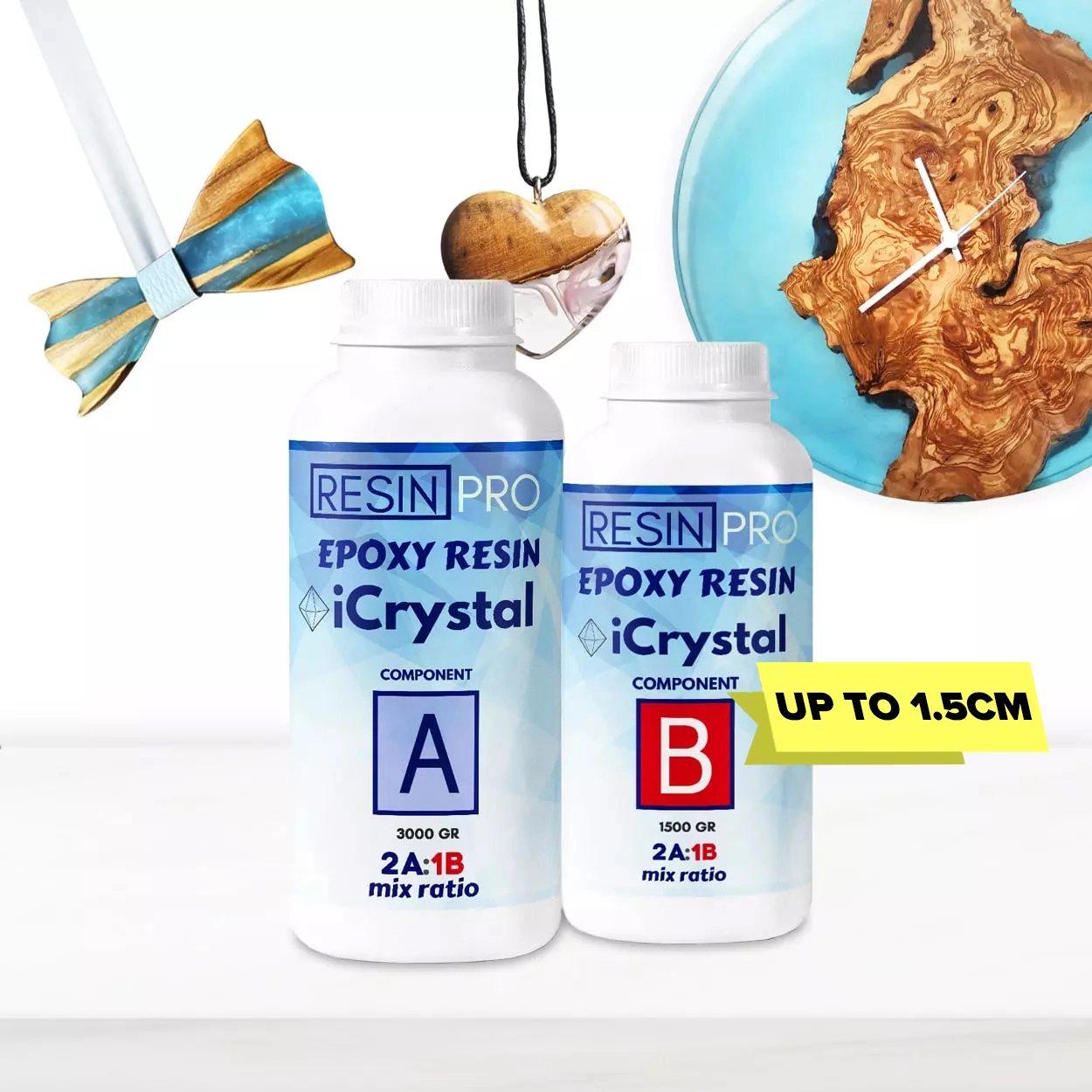

When selecting a two-component epoxy resin, the ratio of resin to hardener is one of the most practical considerations—both for ease of use and for the impact on your overall costs.
How Mixing Ratios Influence Costs
The mixing ratio refers to the proportion of resin base (often called part A) to hardener (part B) required for optimal curing. User-friendly ratios, such as 2:1 or 100:55 by weight, tend to be easier to measure accurately. Ratios that are simple to work with help to reduce mixing errors, which can decrease wasted product. Inaccurate mixing can result in incomplete curing and potentially ruin a batch, creating unnecessary expense when materials need to be replaced.
For example, “Icrystal” Clear Epoxy Resin employs a straightforward 2:1 mixing ratio, making it a popular choice among crafters and professionals who want minimal wastage and easy preparation.

Choosing a Ratio that Suits Your Project
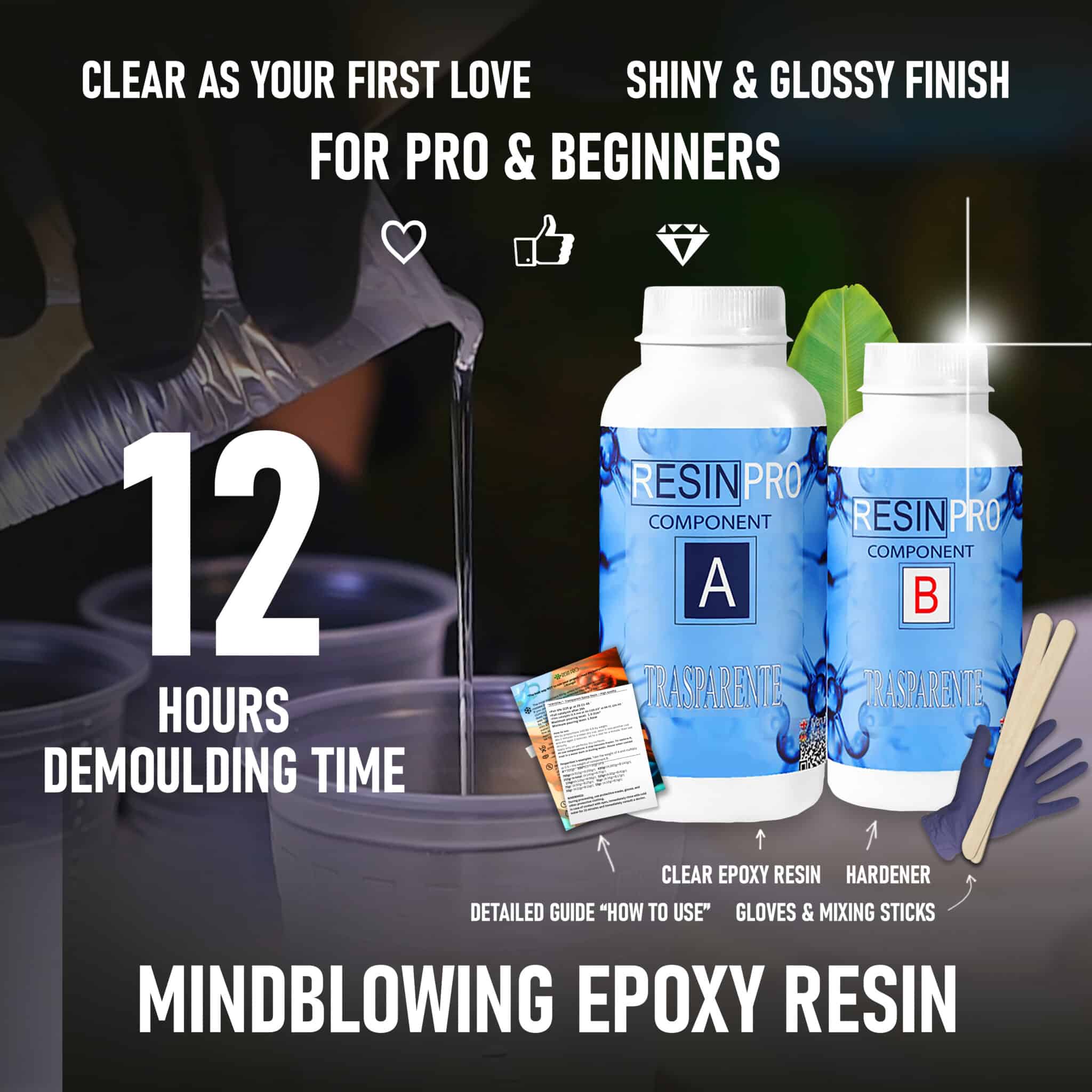
If you’re tackling small-scale crafts, memorial jewellery, or surface coatings, a resin with a simpler ratio means you’re less likely to have leftover product. This is particularly true for resins like “Trasparente”, which is designed for up to 2cm casting and features a practical formulation for both beginners and experts. For larger projects, such as deep pour tables, products like “EpoxyTable 5-Five” offer their own balanced mixing ratios that align with efficient use by weight in bigger batches.
- Simplicity: Easier ratios often require fewer tools and less time.
- Accuracy: Clear ratios leave less room for error and material loss.
- Cost Efficiency: Less waste means more value from every purchase.
When to Prioritise Mixing Ratio in Your Purchase
If you’re new to epoxy resin or expect to measure out small amounts often, a user-friendly ratio can translate into immediate cost savings by reducing the chances of incorrect mixing. Conversely, if you regularly handle large volumes for furniture or art installations, prioritising a resin with a consistent and well-documented mixing ratio supports both quality and budget control.
Related products
Related guides
Understanding how the mixing ratio affects both ease of use and potential for waste is vital when considering the true cost of two-component resins. For more in-depth details around pricing and resin selection, explore our full guide on how much two-component resin costs.