 Free shipping on orders over £29,85
  Shipping Tracking!


 Google
 Facebook
← Back to How much hardener should be used with resin?


When working on large resin projects such as river tables or deep castings, you’ll notice that most table resins require mixing by weight. This is a practical choice that directly impacts accuracy and the final quality of your creation.
The Importance of Mixing by Weight
Mixing resin and hardener by weight provides far greater accuracy, especially as project size increases. Measuring large amounts by volume can introduce tiny errors, as viscosity and meniscus effects make it hard to get truly precise measurements. By using a set of digital scales, you minimise these risks, resulting in the correct ratio for optimal curing and avoiding issues such as incomplete hardening or tacky surfaces.
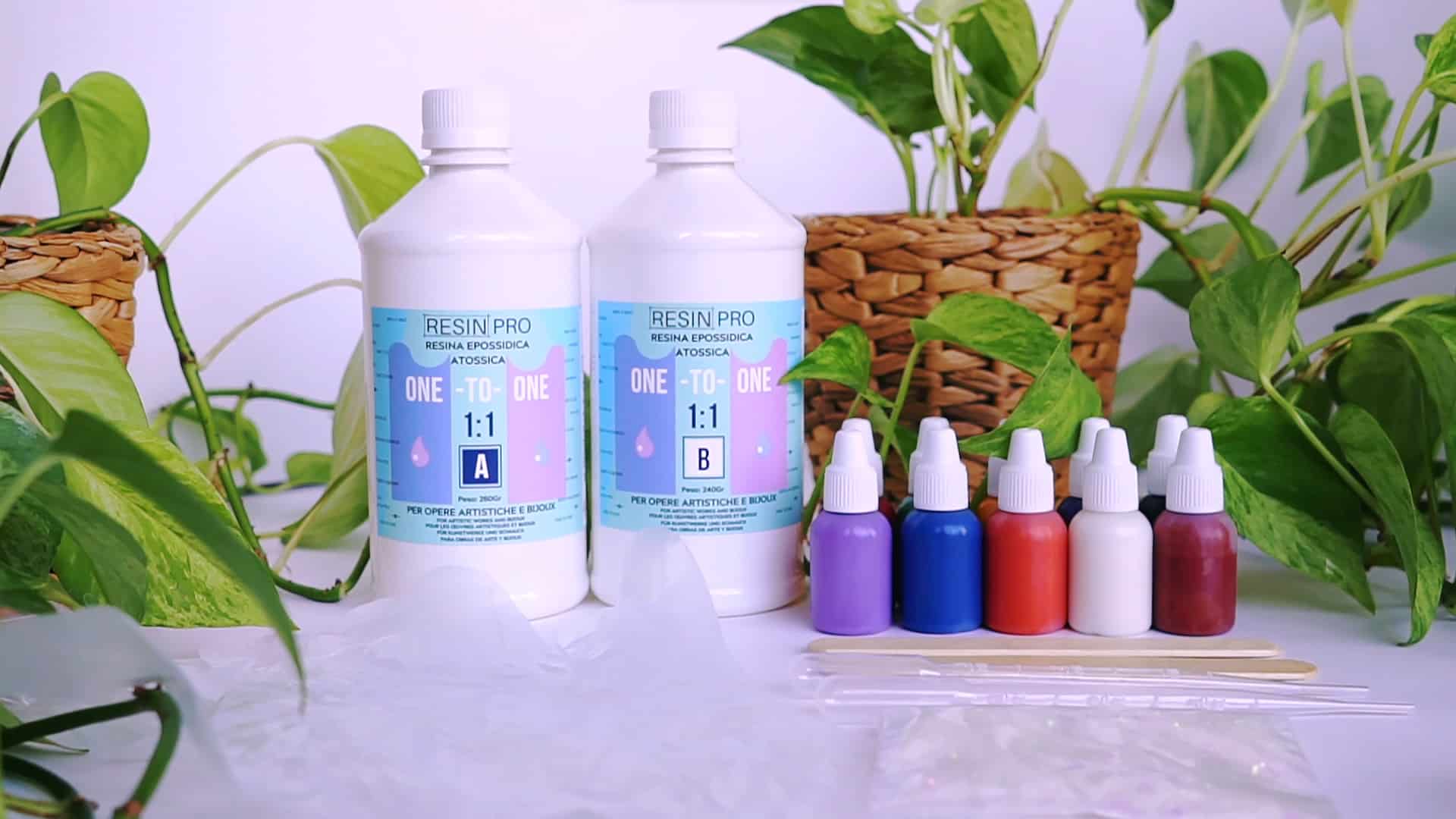
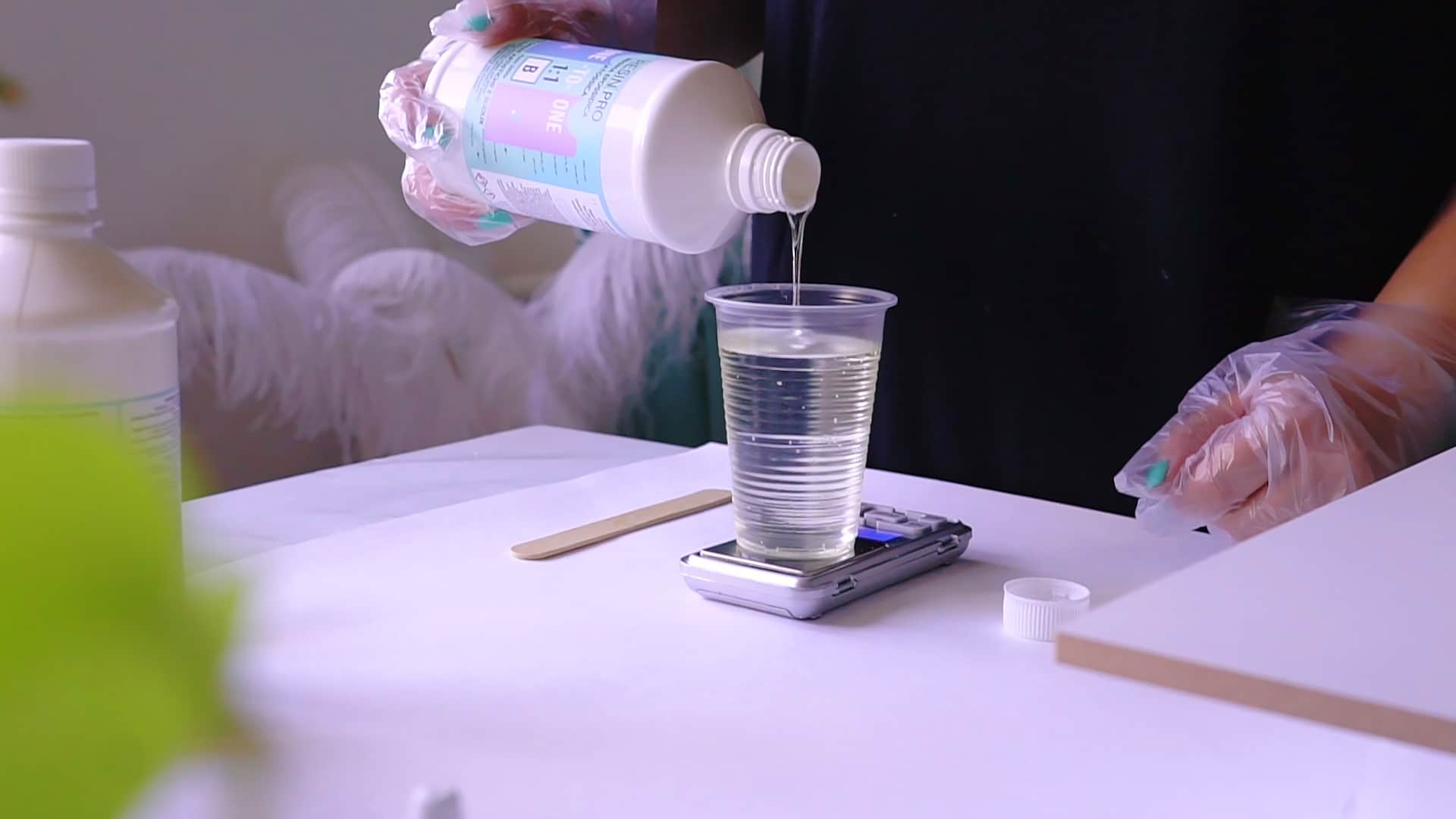
Tips for Accurate Measuring and Mixing
- Use electronic scales capable of measuring at least to 1g for large pours.
- Double-check your resin’s recommended mixing ratio—some deep pour resins, such as Epoxytable 10-Ten, require a specific ratio by weight.
- Carefully tare your container before adding each component to prevent miscalculations.
- Always mix thoroughly, scraping sides and bottom of your container, to ensure even chemical reaction throughout the batch.
When This Matters Most
Mixing by weight becomes crucial for deep casting, artistic tabletops, and projects above a few litres in volume. The bigger the batch, the more vital it is to avoid accidental over- or under-dosing of hardener, which can compromise clarity, cure speed, and the structural integrity of your project.

Related products
Related guides
Choosing the correct mixing method is key to producing crystal clear, durable resin pieces. For more on getting the perfect finish and understanding the right hardener amounts, take a look at our main guide: How much hardener should be used with resin?