 Free shipping on orders over £29,85
  Shipping Tracking!


 Google
 Facebook
How much can I print with 1 litre of SLA 3D printing resin?
Compare resin yields, print sizes and essential tools for best results
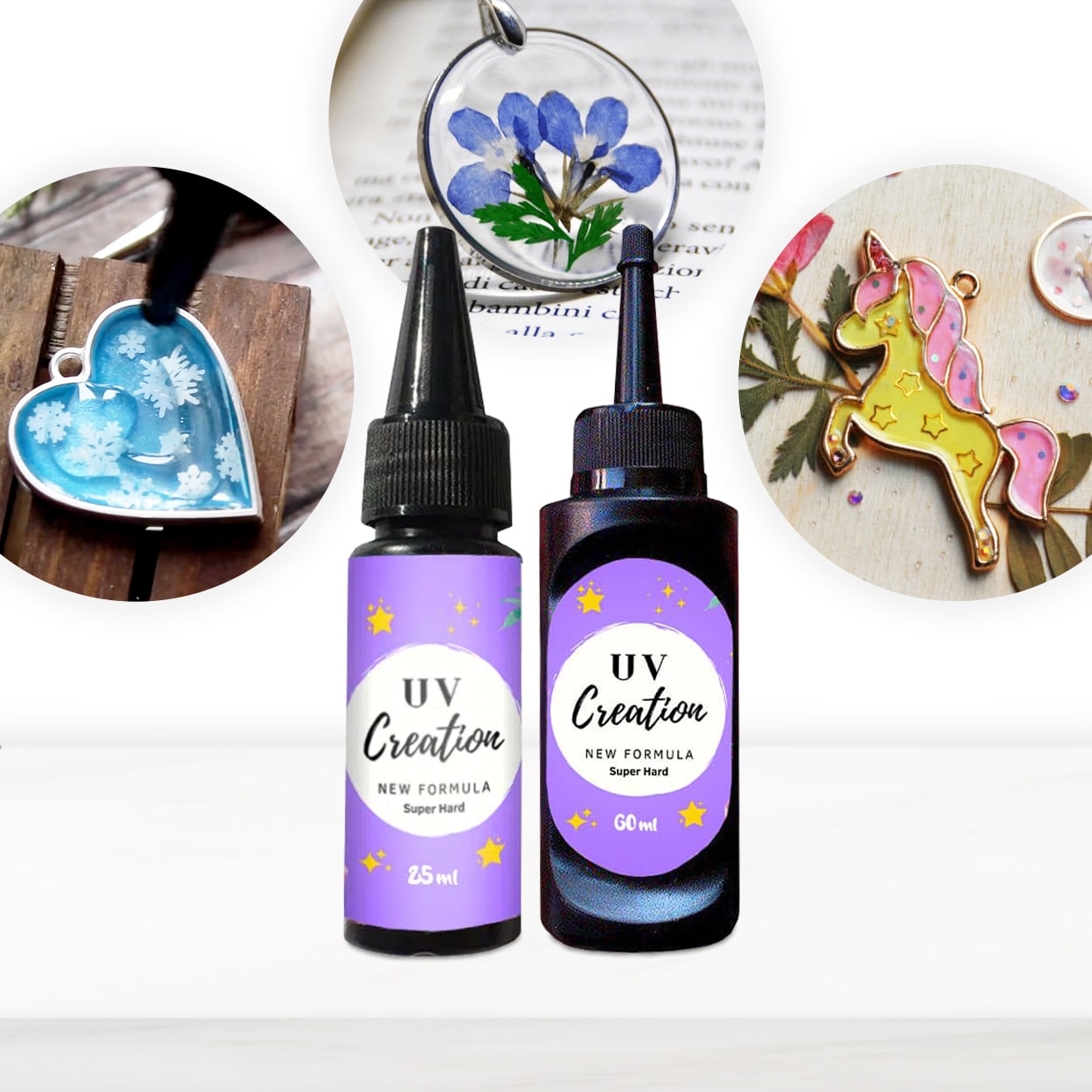

Curious about how much you can create with a single litre of SLA 3D printing resin? This page is designed for hobbyists, makers, and artists who want to estimate their project output, optimise resin use, and choose the right products for efficient additive manufacturing or fine resin applications. Compare resin types, understand yield factors, and explore precision tools to support your workflow.
Resin Volume Comparison: How Far Does 1 Litre Go?
When evaluating how much you can print with 1 litre of SLA (stereolithography) 3D printing resin, there are a few core factors to consider: the resin’s cure speed, intended use (fine detail vs. bulk parts), print density, and your approach to measuring and managing the resin. A litre of resin can yield hundreds of finely detailed jewellery pieces, dozens of small decorative items, or several medium-sized models—depending on the object geometry, infill, and design. Proper volume measurement and accurate mixing are key for minimising waste.
Graduated markings from 100ml to 2L facilitate accurate resin measurement. Regardless of your project, precise dosing extends your resin supply further. Fast-curing UV resins are optimal for small projects, while volumetric relief-style resins excel with thin applications.
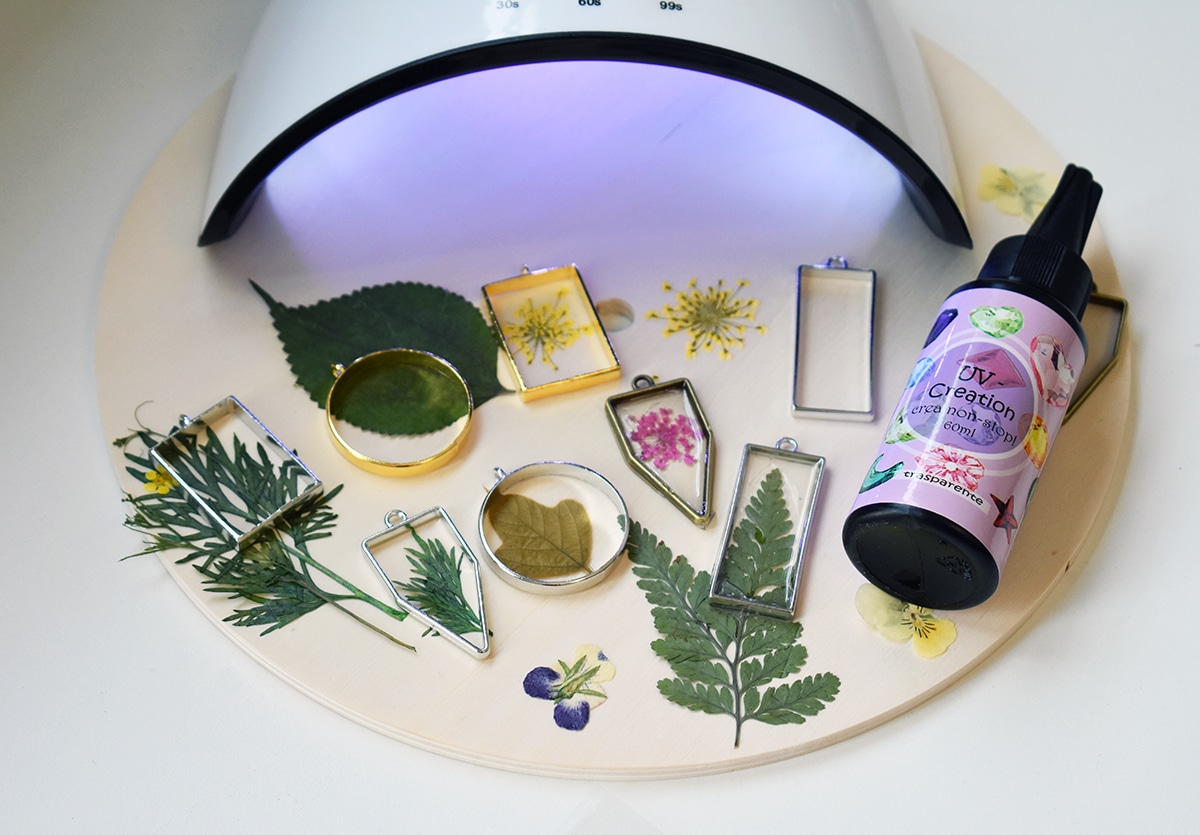
Visualise Your Potential Output
See examples of prints and projects enabled by 1 litre of SLA resin. Our gallery showcases finished parts, detailed reliefs and jewellery, providing inspiration for efficient resin use in your own designs.
“UV–Creation” – Fast Acrylic Resin, 3 Minute UV Cure
The “UV–Creation” – Fast Acrylic Resin, 3 Minute UV Cure is designed for those who prioritise speed and efficiency in creating intricate, small-scale resin objects—such as jewellery and craft embellishments. Cures fully within 2–3 minutes under UV light, allowing you to maximise how many pieces you yield from every batch. Its provides a crystal-clear, glossy finish that remains non-yellowing, meaning even thin layers and detailed parts maintain professional clarity. For complex prints or high throughput, the resin’s non-sticky surface ready for handling immediately after curing speeds up workflow. Plus, its one-component system requiring no mixing minimises waste, making full use of every millilitre.
2L Graduated Measuring Cup for Resin – Precise Epoxy Dosing Tool
Accurately dividing your 1 litre supply across prints is made simple with the 2L Graduated Measuring Cup for Resin – Precise Epoxy Dosing Tool. Its clear graduations allow for exact measurement in 100ml increments, enabling users to plan their output confidently, whether you’re printing several small objects or a single voluminous item. The non-stick surface allows for easy cleaning after use. With this tool, you’ll avoid costly over-pours and make your resin last longer across projects.
“Fairy Wings” – UV Resin for Volumetric Reliefs, Dual Colour, 30ml
If you’re producing decorative details or highly precise reliefs, “Fairy Wings” – UV Resin for Volumetric Reliefs, Dual Colour, 30ml is formulated for thin-layer application and fast UV curing. It’s ideal for artists seeking to maximise yield from small resin quantities, as its ready-to-use one-component formula – ready to use without mixing supports layering for high-definition results. Since each decorative element can be produced using just a fraction of your 1 litre capacity, this resin style allows for high output and minimal waste in specialised applications.
Precision Digital Scales for Resin and Crafting, 1g–7kg
Measuring resin by weight ensures true precision, especially for detailed SLA prints and when working near the end of your supply. The Precision Digital Scales for Resin and Crafting, 1g–7kg enable high precision weighing from 1g to 7kg suitable for resin mixing. An user-friendly with an easy-to-read display means you’ll waste less resin—great for cost-effective resin use and tracking remaining quantities, particularly vital as project demands grow.
Maximising Resin Efficiency: Practical Tips for Your 3D Prints
To get the most out of 1 litre of SLA resin, focus on careful model planning, prevent over-filling resin tanks, and clean tools between batches. Using graduated measuring cups and digital scales supports portion control and minimises spillage. Choose thin-walled or hollow models to boost print count per litre, and select the most suitable resin for your end goal—bulk parts for sturdy models, fine UV cure for quick jewellery or reliefs. Continuous evaluation of print density and regular surface maintenance also reduces unintentional waste and enhances output quality.
Planning Tips for Resin Use
Combine precise measurement tools with fast-curing resins for optimal results. From thin layers to small-scale prints, the right workflow can dramatically extend your resin’s productive life.
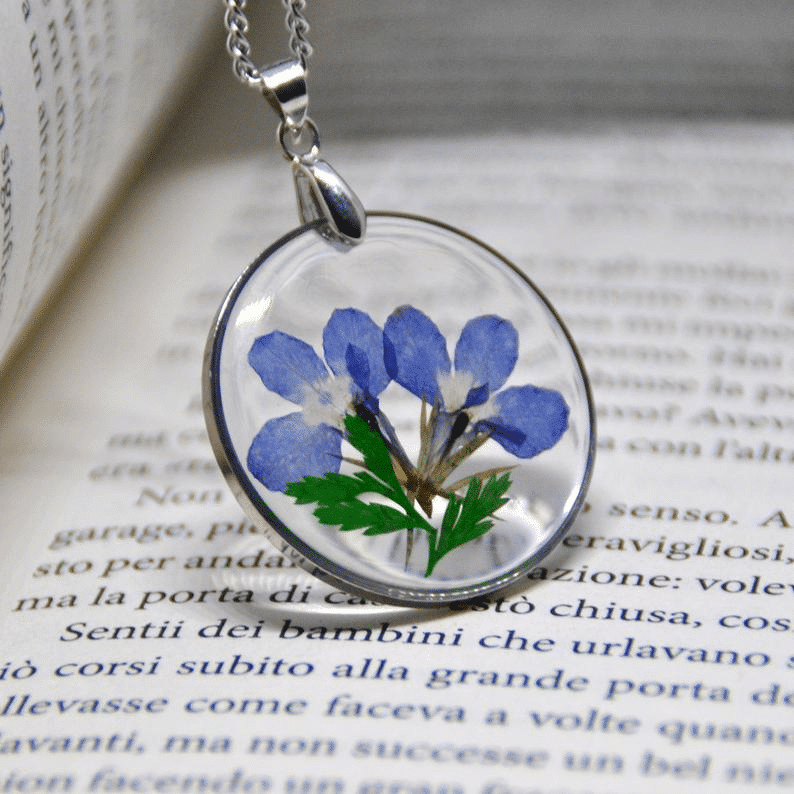
- "UV–Creation" – Fast Acrylic Resin, 3 Minute UV CurePrice range: £8.45 through £62.95"UV–Creation" Fast Acrylic Resin cures quickly under UV light, suitable for jewellery making with a clear, glossy finish.
- 2L Graduated Measuring Cup for Resin – Precise Epoxy Dosing Tool£4.04The 2L Graduated Measuring Cup provides precise volume measurements and easy cleaning for accurate resin dosing.
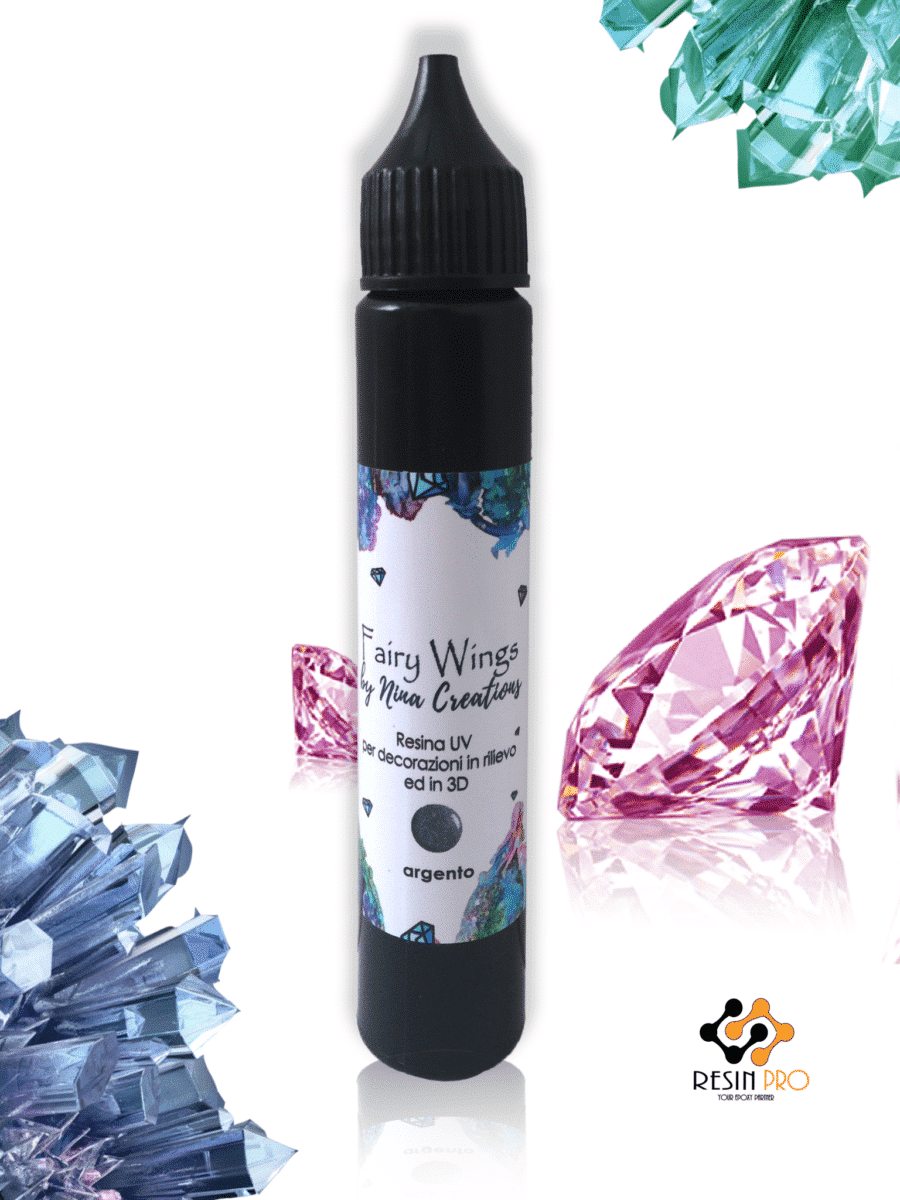 "Fairy Wings" – UV Resin for Volumetric Reliefs, Dual Colour, 30mlOriginal price was: £15.15.£2.85Current price is: £2.85."Fairy Wings" UV Resin is a ready-to-use material for detailed 3D reliefs, suitable for artists and crafters under the mentioned theme.
 Precision Digital Scales for Resin and Crafting, 1g–7kgPrice range: £8.45 through £24.00Digital scales designed for accurate resin weighing, suitable for precise mixing in resin crafting contexts.
Frequently Asked Questions
How many prints can I get from 1 litre of SLA resin?
It depends on model size, density, and geometry—hundreds of small details or a few larger items are possible per litre.
What’s the difference between UV and standard SLA resin?
UV resin cures with light for rapid projects, while standard SLA resin is used for 3D printing layer by layer in varied sizes.
How can I save resin while SLA 3D printing?
Optimise designs for hollow or thin-walled prints, use graduated cups for accurate dosing, and avoid tank overfills.
Why is weighing resin important for SLA prints?
Accurate weighing ensures you know exactly how much resin is used and helps you plan remaining print capacity.
Which resin is best for small, detailed prints?
Fast-curing UV acrylic resins are ideal for jewellery, crafts, and high-detail outputs from limited resin volumes.
Do thin layers use less resin?
Yes, printing with thin or hollow structures increases the number of objects you can create with the same resin volume.