 Free shipping on orders over £29,85
  Shipping Tracking!


 Google
 Facebook
← Back to How long does fibreglass resin take to dry?

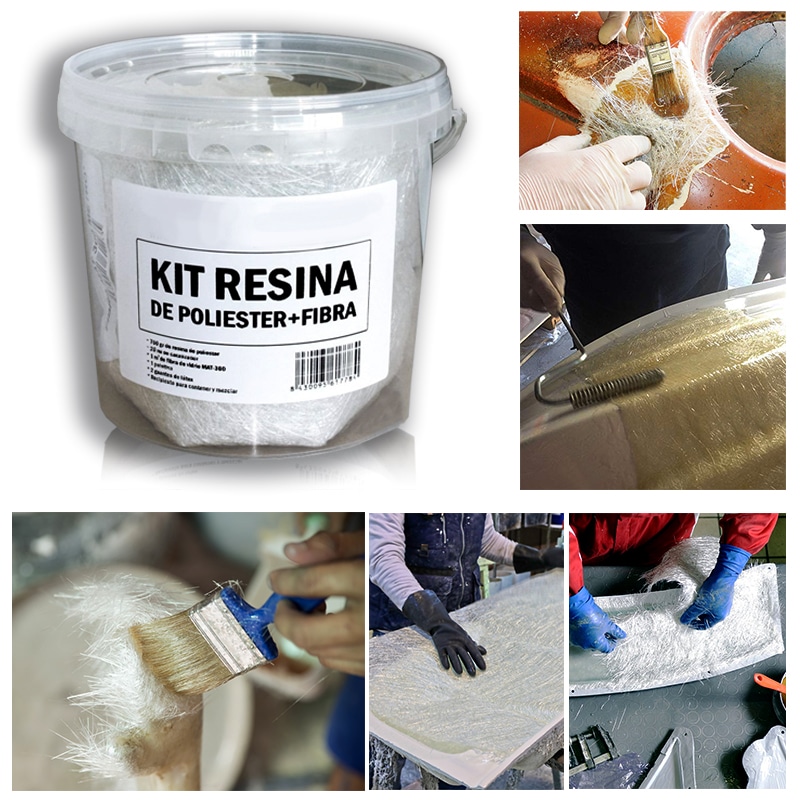
If you’re searching for ways to reduce the wait for fibreglass resin to dry, there are sensible techniques to encourage a quicker cure—provided you use care and follow product instructions. Here’s what you need to know for best results.
Safe Methods to Speed Up Curing
The most reliable approach is to gently increase the temperature of your workspace. Warmer environments encourage chemical reactions in polyester and epoxy resins, generally leading to a quicker set. Improving air circulation using a fan (without blowing dust directly onto your project) can also help move moisture and accelerate curing. However, always stay within the temperature range recommended for your specific product—exceeding limits can cause incomplete curing or resin defects.
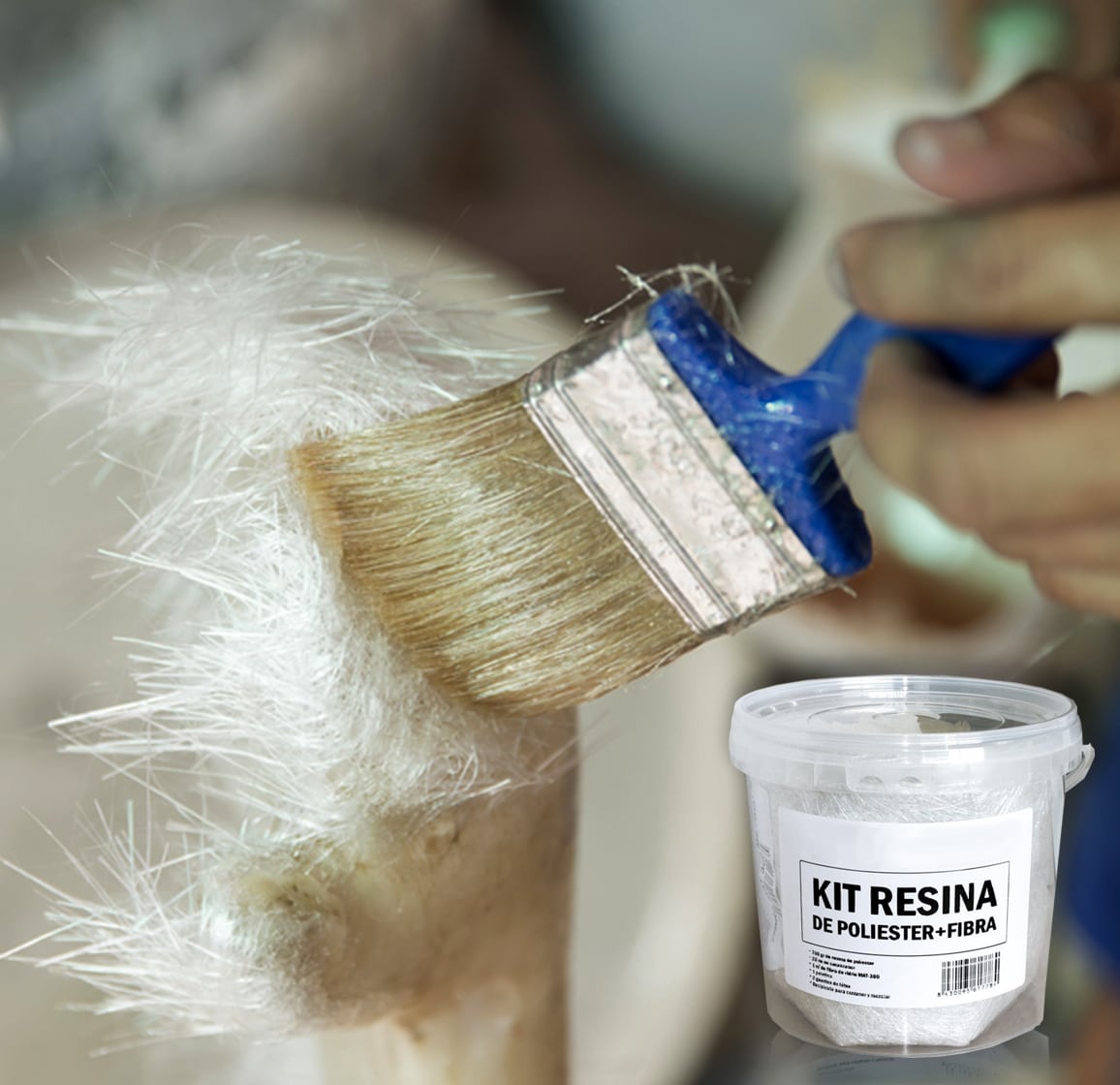
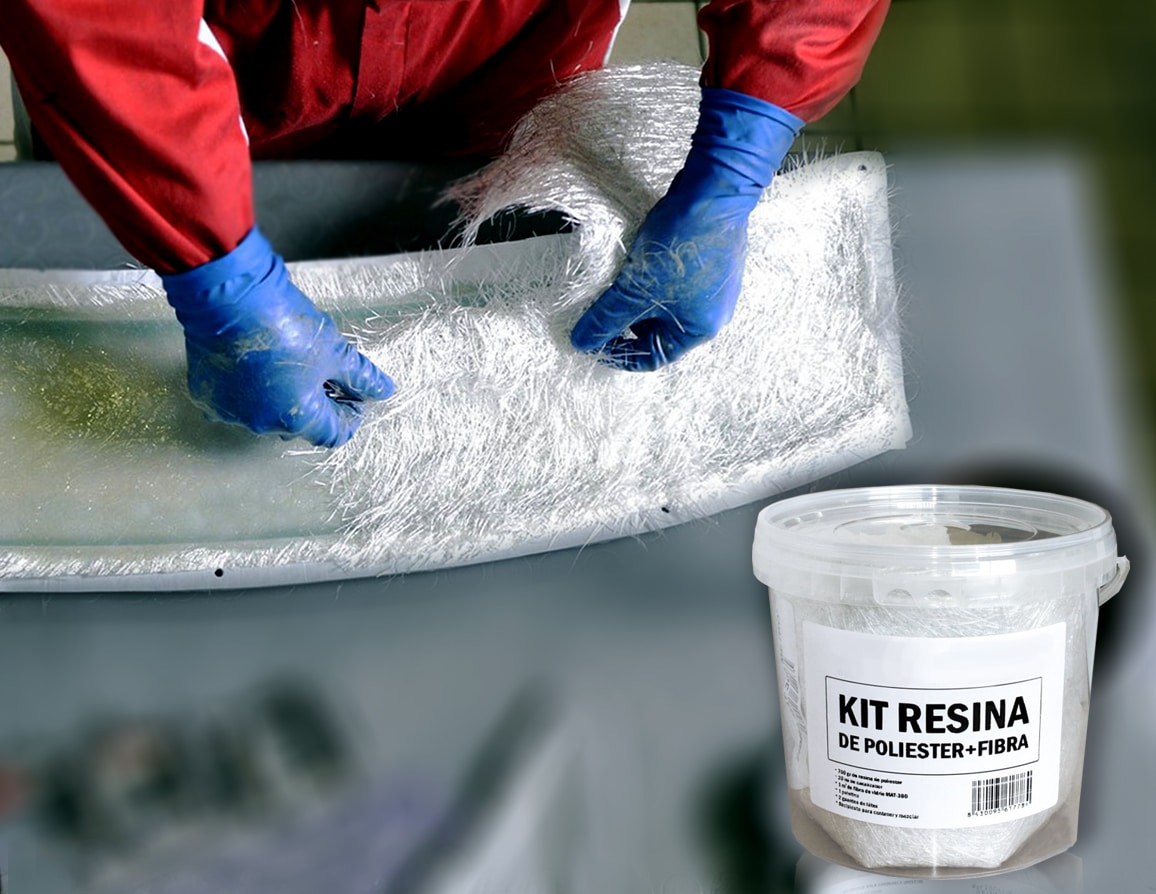
Practical Tips for Faster Results
- Plan ahead: Set up your project in a well-ventilated, consistently warm indoor area when rapid curing is important.
- Use fast-curing options: Certain products, such as the ICreation Fast Epoxy Resin, are designed with shorter cure times in mind—sometimes demouldable in as little as six hours.
- Mix carefully: Always follow the supplied instructions for hardener ratio and mixing—using excessive hardener will not always speed things up and can ruin the finish.
When It Matters Most
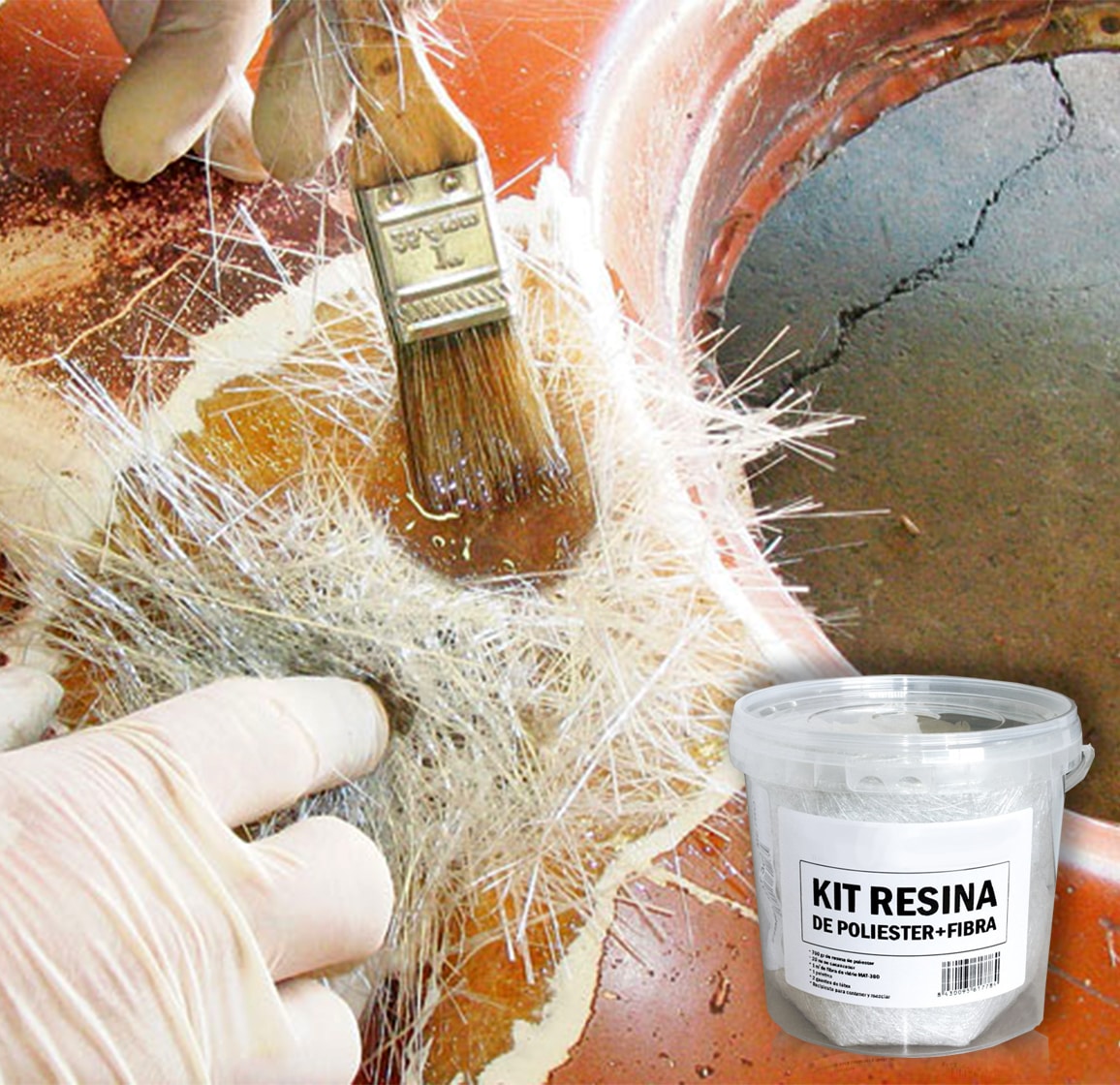
Speeding up resin drying time is especially helpful for emergency repairs—such as fixing leaks or structural issues on boats, tanks, or pools—when a long wait would cause inconvenience or risk. Conversely, for large or decorative pours, a slow cure may actually result in a better, stronger outcome.
Related products
Related guides
Understanding how to accelerate fibreglass resin curing safely gives you more flexibility for emergency repairs and time-sensitive projects. For further information on optimal drying times and professional repair tips, visit our main guide on how long fibreglass resin takes to dry.