 Free shipping on orders over £29,85
  Shipping Tracking!


 Google
 Facebook
← Back to How long should resin be left in the freezer?

If you’ve considered putting your epoxy resin in the freezer to speed up the curing process, it’s important to know how this actually affects your results. Let’s explore what really happens when resin is exposed to freezing temperatures.
The Effect of Cold on Resin Curing
Contrary to popular belief, placing resin in the freezer does not help it cure faster. In fact, low temperatures slow down or may even completely halt the curing process. Cold conditions can also encourage cloudiness or crystallisation in your resin, affecting both clarity and strength. For best results, epoxy resins should always be cured at room temperature, following the manufacturer’s instructions carefully.


Best Practices for Rapid Resin Curing
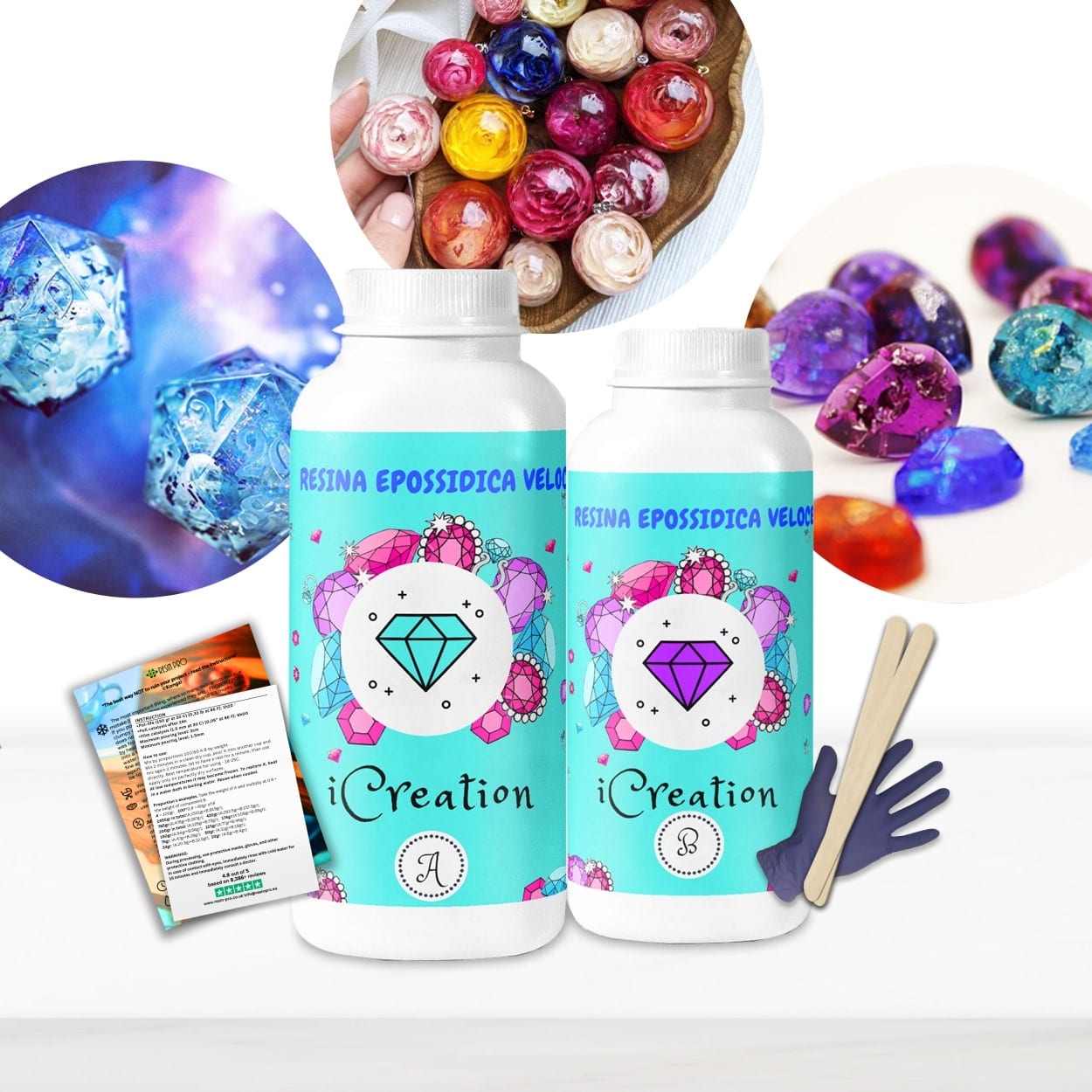
If you’re seeking a quicker turnaround for your resin projects, it’s more effective to select a fast-curing product rather than relying on temperature extremes. For example, the ICreation Fast Epoxy Resin allows demoulding in just six hours at room temperature, while still delivering a crystal-clear finish without the haze that cold storage can cause. Always mix and pour your resin in a stable, warm environment, and avoid sudden temperature changes.
When This Matters
Understanding the actual impact of temperature is crucial for anyone making jewellery, art pieces, or functional objects where clarity and durability are key. Freezing is not a shortcut—instead, pick the right resin and provide a consistent curing environment.

Related products
Related guides
For consistently strong and clear results, always cure your epoxy resin at the recommended room temperature. Learn more about resin timing and best practices in our full guide on how long resin should be left in the freezer.