 Free shipping on orders over £29,85
  Shipping Tracking!


 Google
 Facebook
← Back to How long should resin be left in the freezer?
Many resin artists seek ways to achieve flawless, clear finishes in their epoxy work. One question that emerges is whether freezing your resin helps to remove air bubbles. Let’s explore what happens when you freeze epoxy and learn the most effective approaches for bubble-free results.
What Happens When Resin is Frozen?
Contrary to some myths, placing resin in the freezer does not assist with releasing bubbles. In fact, cold temperatures increase the viscosity—or thickness—of the resin. Thicker resin traps air more readily, making it harder for bubbles to reach the surface and escape. This can result in cloudy or imperfect casts.
Effective Bubble Removal Techniques
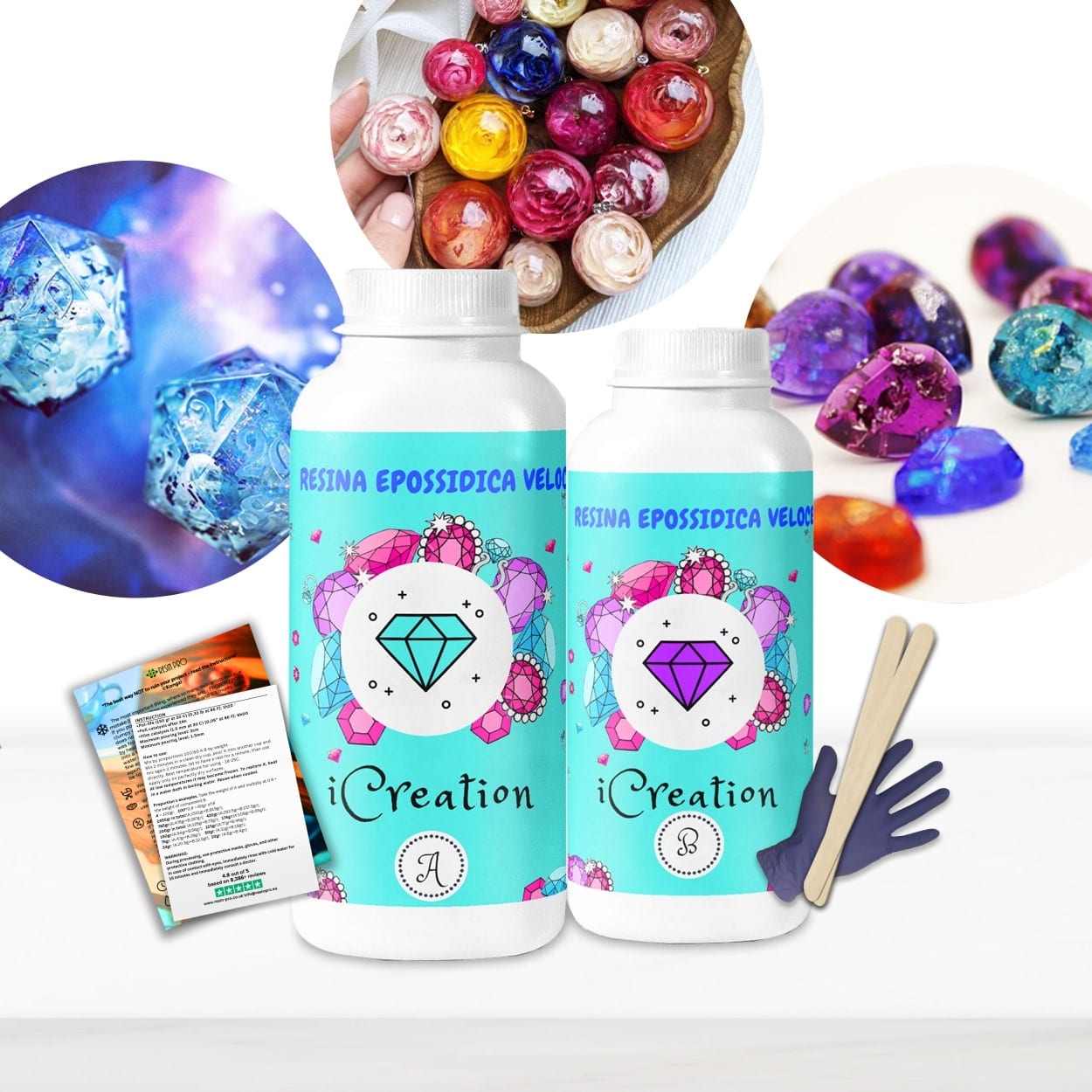
Achieving a bubble-free finish depends on temperature and technique. Work with resin at recommended room temperatures for your product and stir slowly to minimise air introduction. Once poured, using a heat gun or gently blowing warm air over the surface can encourage trapped bubbles to rise and burst, delivering a clear result. For example, the ICreation Fast Epoxy Resin benefits from gentle warming to help bubbles escape before curing begins.
When This Matters Most
Bubble release is essential during detailed casting, jewellery making, and clear surface coatings. For projects requiring high transparency—such as using Trasparente multipurpose resin—proper temperature control and careful mixing will ensure your finished piece is crystal clear and professional-looking.

Related products
Related guides
While freezing resin might sound helpful, it actually works against you by trapping bubbles rather than releasing them. For more guidance on optimal resin handling and curing, explore our main advice on timing and temperature in resin work.