 Free shipping on orders over £29,85
  Shipping Tracking!


 Google
 Facebook
← Back to How long should resin be left in the freezer?
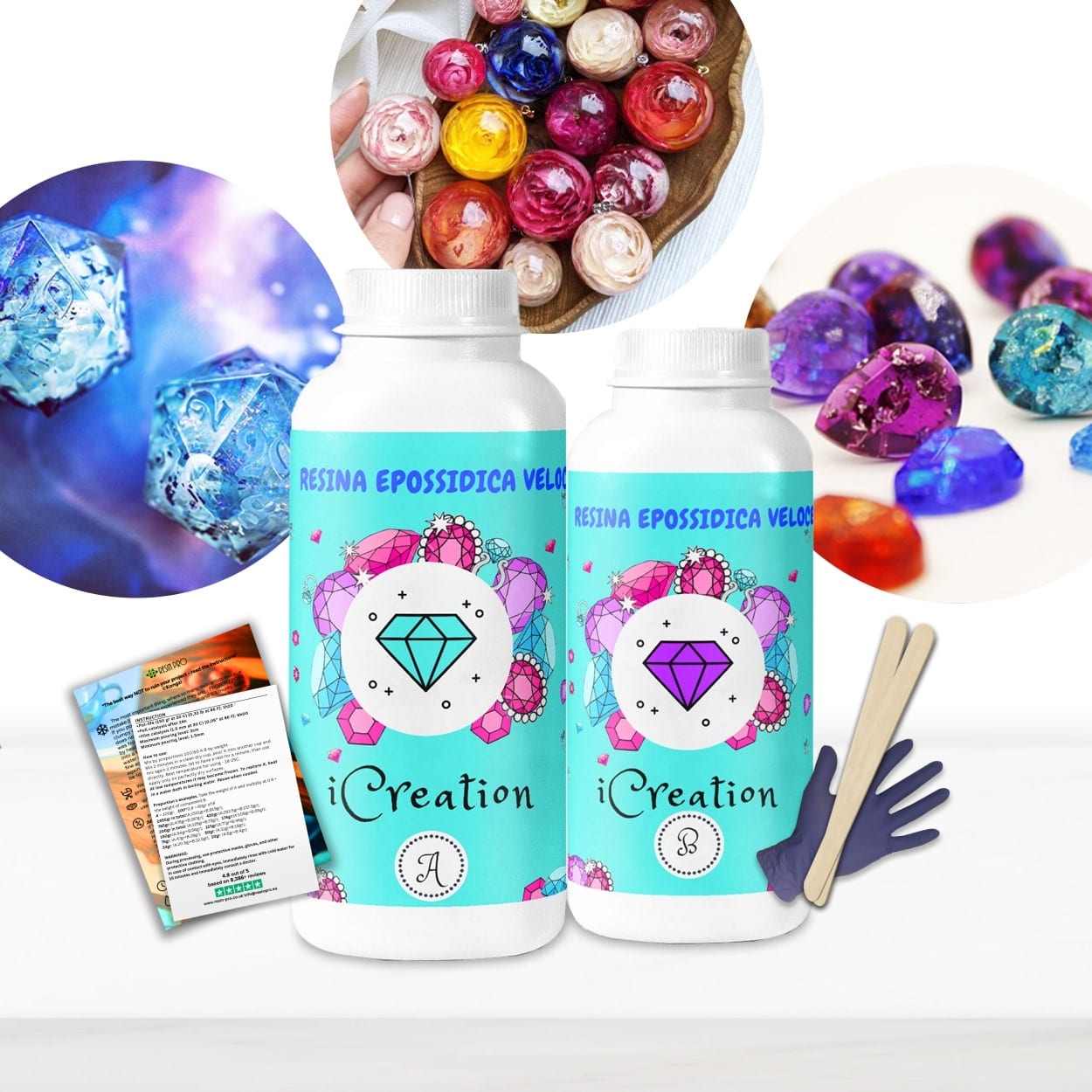

Curious whether putting resin jewellery moulds in the freezer is a shortcut to quicker demoulding or a flawless finish? While it may seem like a tempting hack, freezing resin isn’t the answer for jewellery makers seeking quality results.
What Happens When You Freeze Resin in a Mould?
Freezing freshly poured resin can disrupt its chemical curing process. Rather than speeding things up, this often leads to problems such as an uneven cure, surface dullness, and—at worst—fracturing or brittleness in your finished piece. Instead of a high-gloss effect, you may be left with a cloudy surface that’s difficult to rescue without sanding or recoating.

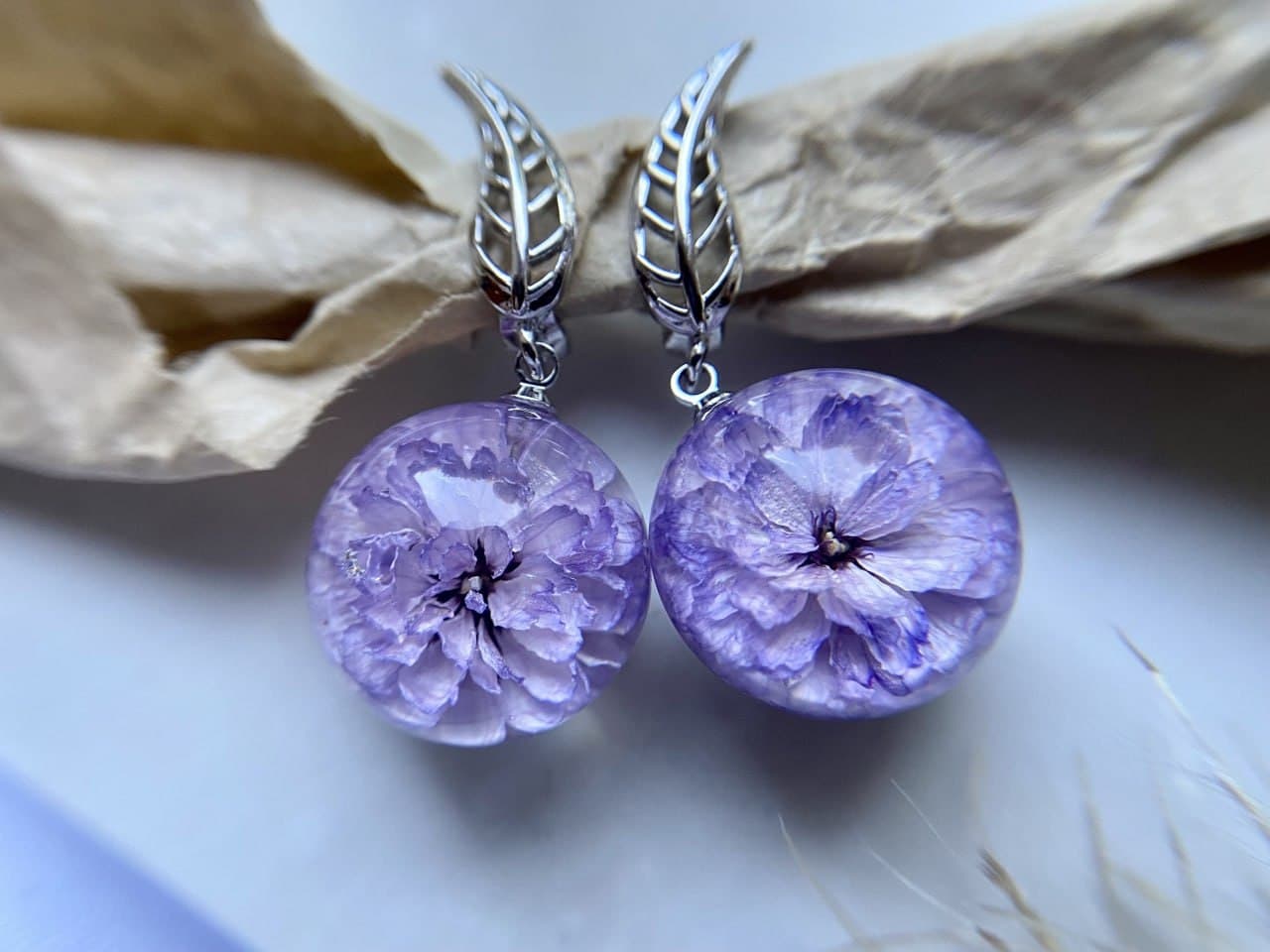
The Best Conditions for Demoulding Resin Jewellery
Resin cures most smoothly at room temperature, where the chemical reaction can proceed evenly. Demoulding too soon, or at the wrong temperature, risks soft or tacky results. For speedy and reliable results, opt for a dedicated fast-curing formula like ICreation fast epoxy resin, which allows demoulding in as little as 6 hours while maintaining a glossy finish ideal for jewellery work. Always follow the recommended cure times for your chosen resin and mould size for best outcomes.
When This Matters: Preserving Gloss and Strength
If your jewellery pieces require a clear, glass-like shine and must withstand regular handling, avoiding the freezer is crucial. Any shortcuts with temperature can compromise the aesthetic and durability that set quality resin work apart.

Related products
Related guides
In short, using the freezer is not a safe or effective method for curing resin in jewellery moulds. For further guidance on timing and handling for perfect resin results, return to our main guide on how long resin should be left in the freezer.