 Free shipping on orders over £29,85
  Shipping Tracking!


 Google
 Facebook
How long should resin be left in the freezer?
Understand resin freezing times for optimal results and clarity
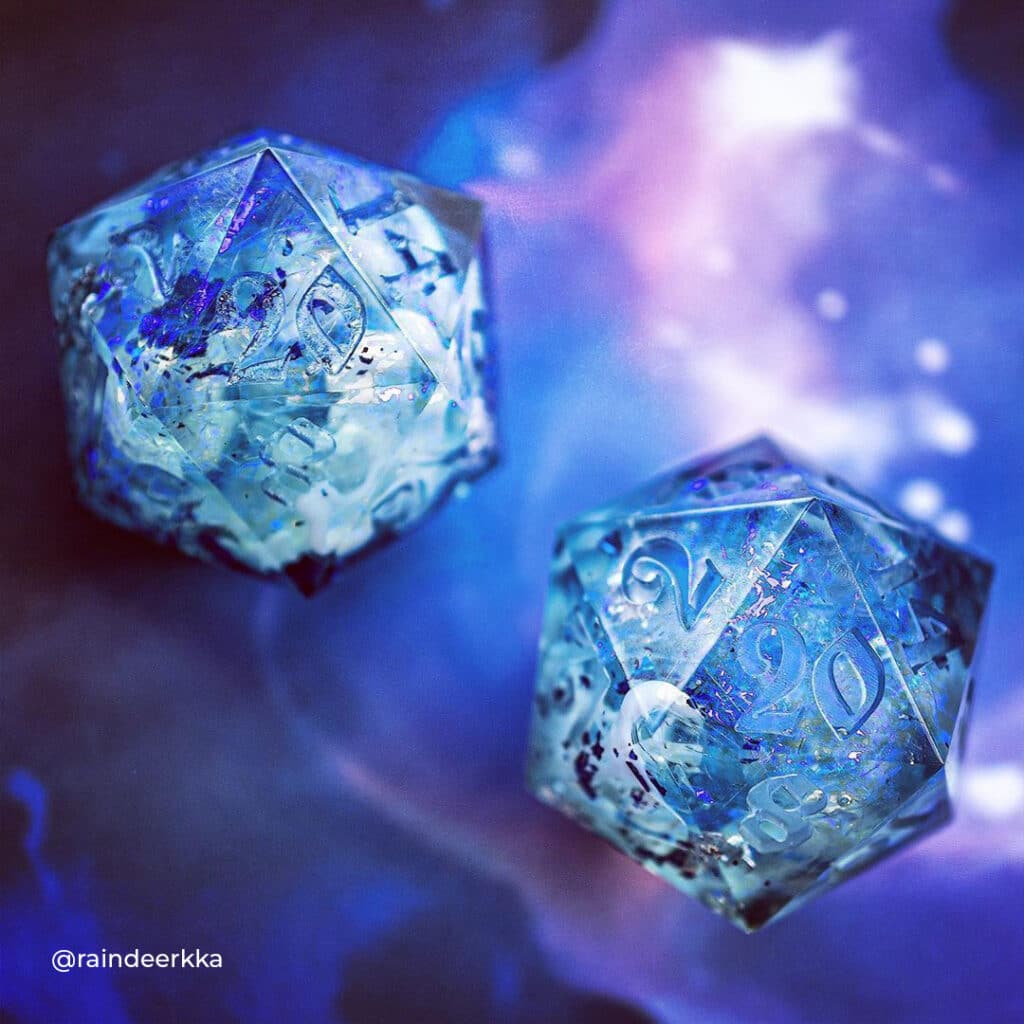
Curious about whether you should put your resin in the freezer? This guide examines the effects and recommended timings for leaving epoxy resin in sub-zero storage, demystifying common misconceptions on freezing to prevent bubbles, speed up curing, or ease demoulding. If you’re an artist, woodworker, or crafter seeking the best results for your resin pours and need clarity on proper resin storage and handling, this page will guide you in choosing the right epoxy for your techniques.
Understanding Resin and Freezing: Key Differences and Considerations
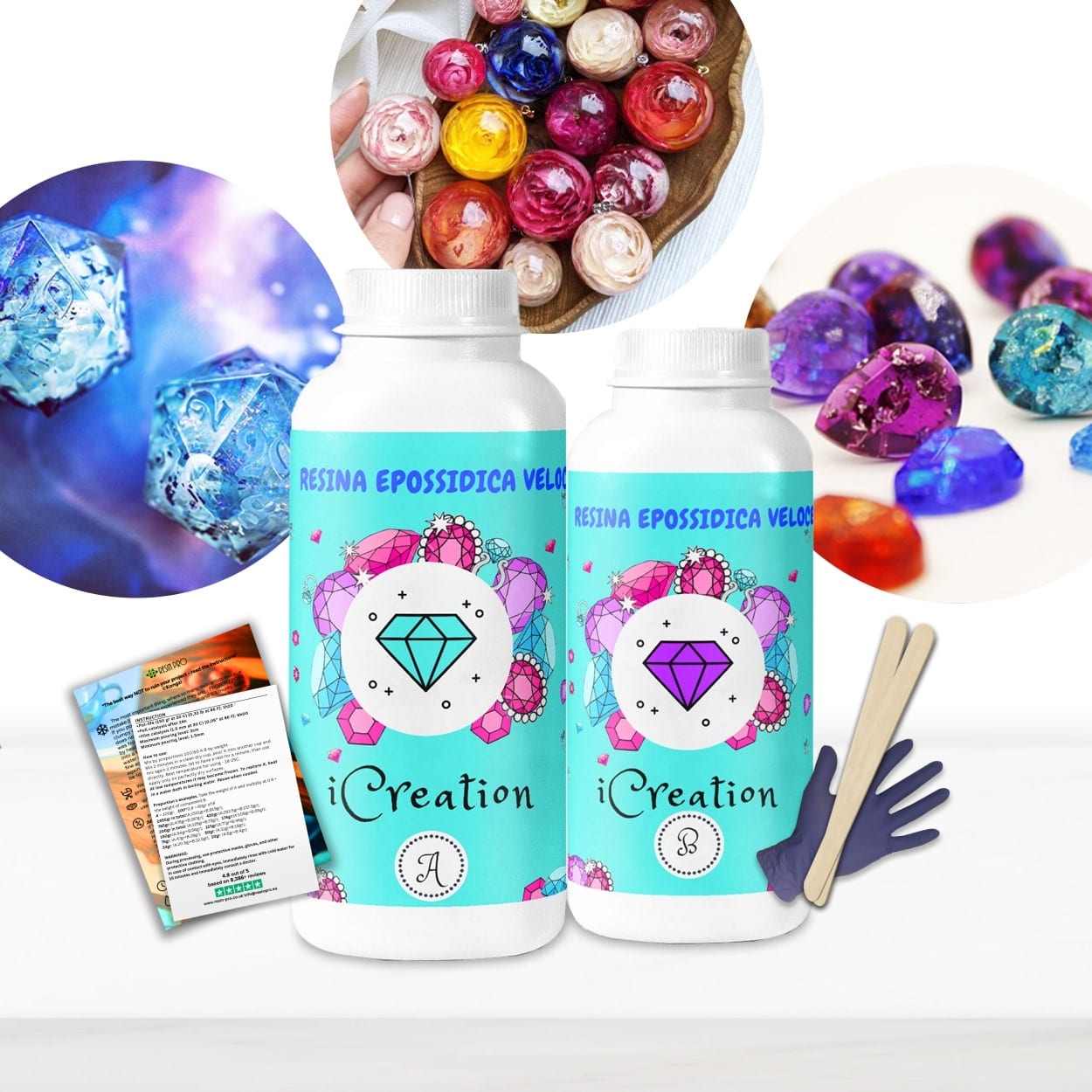
Freezing resin is sometimes considered as a way to slow down or pause the curing process, remove trapped air bubbles, or store leftovers for future projects. However, not all epoxy resins react the same to low temperatures. Some products may become cloudy, more viscous, or even have their properties change irreversibly when frozen or thawed improperly. Fast-curing resins, such as “ICreation” – Fast Epoxy Resin, 6h Demoulding, Transparent Gloss Finish, are particularly sensitive to temperature shifts, while deep-pour formulas like “Epoxytable 10-Ten” – Deep Pour Epoxy Resin for Tables, Up to 10cm Casting are formulated to remain workable for longer at ambient conditions. Generally, freezing resin is not recommended for most epoxy products unless specified by the manufacturer; incorrect freezing can affect clarity, curing, and adhesion. It is crucial to review the instructions for each resin type before applying any freezing method.

Why Freezing Epoxy Resin Is Not Usually Recommended
Epoxy resins are formulated to cure within specific temperature ranges. Freezing is not intended to accelerate or prolong resin shelf-life, but can instead result in crystallisation, uneven mixing, and loss of clarity. For quality, always store resin at the temperatures advised on the product label and avoid freezing unless the manufacturer specifically suggests it.
“ICreation” – Fast Epoxy Resin: Rapid Cures and Freezer Concerns
ICreation Fast Epoxy Resin is designed for artists and crafters requiring super-fast catalysis and a 6-hour demoulding time. This makes it ideal for projects that need a swift turnaround. However, this speed also means the resin’s chemistry is temperature sensitive; placing it in the freezer can drastically alter its curing profile. The manufacturer does not recommend freezing as it may affect the crystal-clear, self-levelling surface and intervention could increase the risk of haze or microbubbles. For time-critical projects, it’s safer to use ICreation in a stable, room temperature environment where you can benefit from its rapid cure and maintain professional results.
“Trasparente” – Multipurpose Clear Epoxy Resin: Freezing and Storage Options
The “Trasparente” Multipurpose Clear Epoxy Resin for Casting – Up to 2cm is tailored for castings, tables, and artistic detail work where both clarity and easy handling are priorities. Its ultra-clear formula and integrated UV filter help maintain appearance, but freezing is not part of its recommended usage procedure. Instead, control your working and curing temperatures to keep viscosity manageable. If resin must be stored for longer periods, keep it in airtight containers in a cool, dry place – not a freezer – to preserve its consistency and avoid crystallisation.
“Icrystal” – Clear Epoxy Resin: Odourless Formula and Cold Sensitivity
Icrystal Epoxy, suitable for smaller pours up to 1.5cm, provides both an odourless formula and high transparency, making it a favourite for surface coatings and artistic projects. Like its counterparts, exposure to freezing temperatures can negatively impact its self-levelling and clarity features. If the resin is too cold, it will become more viscous, trapping air bubbles and making application difficult. Rather than freezing, ensure your workspace remains between 18–25°C for best results, and use included gloves and instructions to avoid mistakes.
“Epoxytable 10-Ten” – Deep Pour Epoxy Resin: Freezing in Large Projects
Epoxytable 10-Ten is designed specifically for deep casting up to 10cm, like river tables and thick art pieces. The low exothermic reaction allows for slow, bubble-free curing and reduces overheating, which is a hazard in thicker pours. Freezing parts of your project or the mixed resin is never advised; this could disrupt the controlled chemical reaction, leading to uneven curing, cracking, or cloudiness. Always follow supplied instructions and pour in recommended layer thickness, letting each cure fully at room temperature.
Proper Resin Storage, Temperature Management, and Project Tips
For optimal results and safety, resin should be stored and handled at stable room temperatures. Fluctuations, especially freezing and thawing cycles, can degrade both the uncured product and finished pieces. Always bring resin to ambient temperature before mixing. If you must slow down curing, use products designed for longer working times, like multipurpose or deep-pour resins, and avoid interventions such as freezing unless expressly approved by the manufacturer. For best clarity and ease of demoulding, follow layer and timing guidelines, ventilate your workspace, and refer to the specific advice for your chosen resin.
Top Tips for Handling Resin and Cold Temperatures
Store resin in a stable, dry environment away from direct sunlight. Allow cold resin to return to room temperature before mixing, and never freeze mixed or curing resin. For projects in cooler weather, gently warm bottles in a lukewarm water bath prior to use to help reduce bubbles and restore flow.
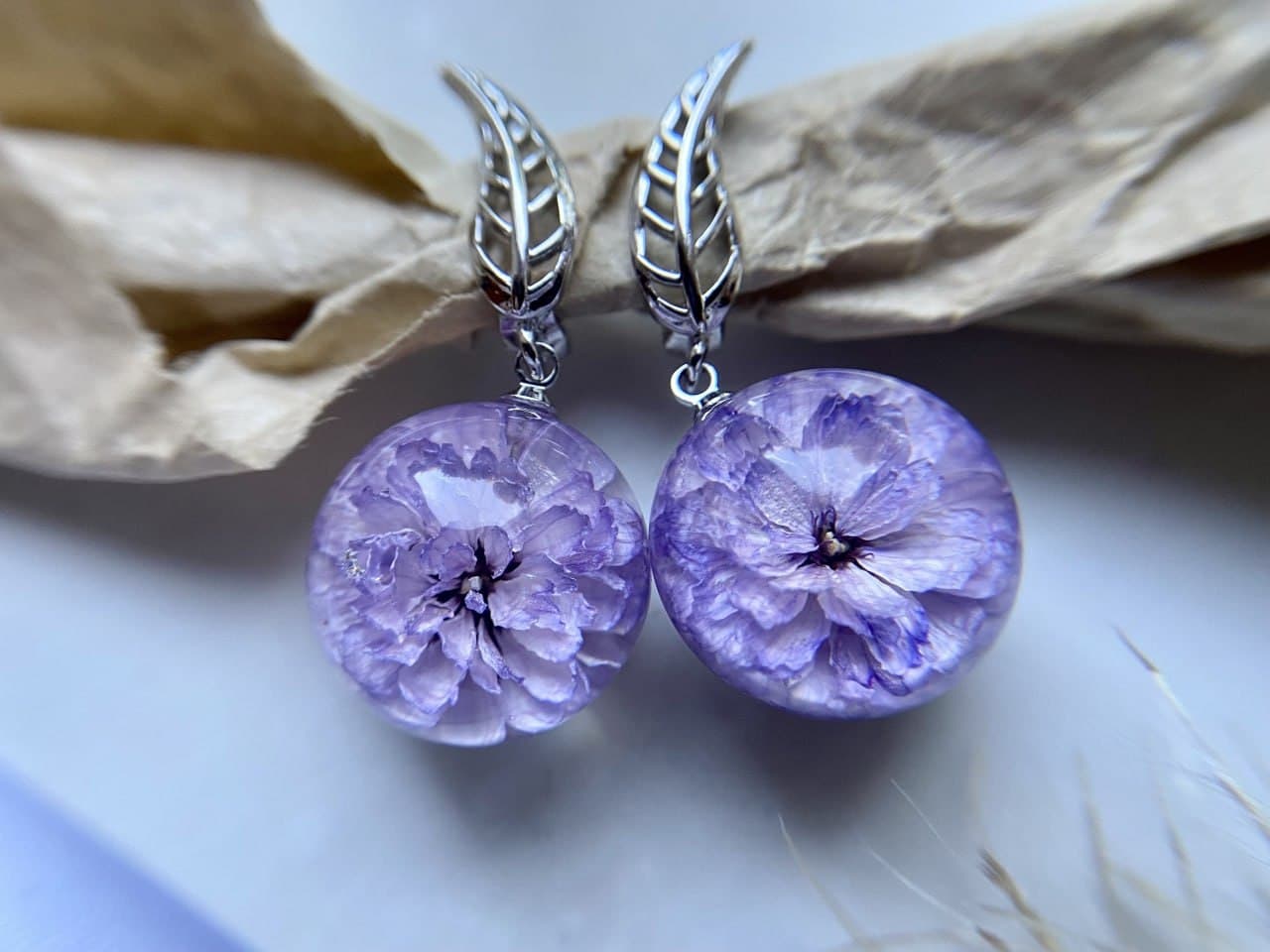
- "ICreation" – Fast Epoxy Resin, 6h Demoulding, Transparent Gloss FinishPrice range: £15.95 through £55.95ICREATION Fast Epoxy Resin features a 6-hour demoulding time and clear glossy finish, suitable for jewellery making and crafts.
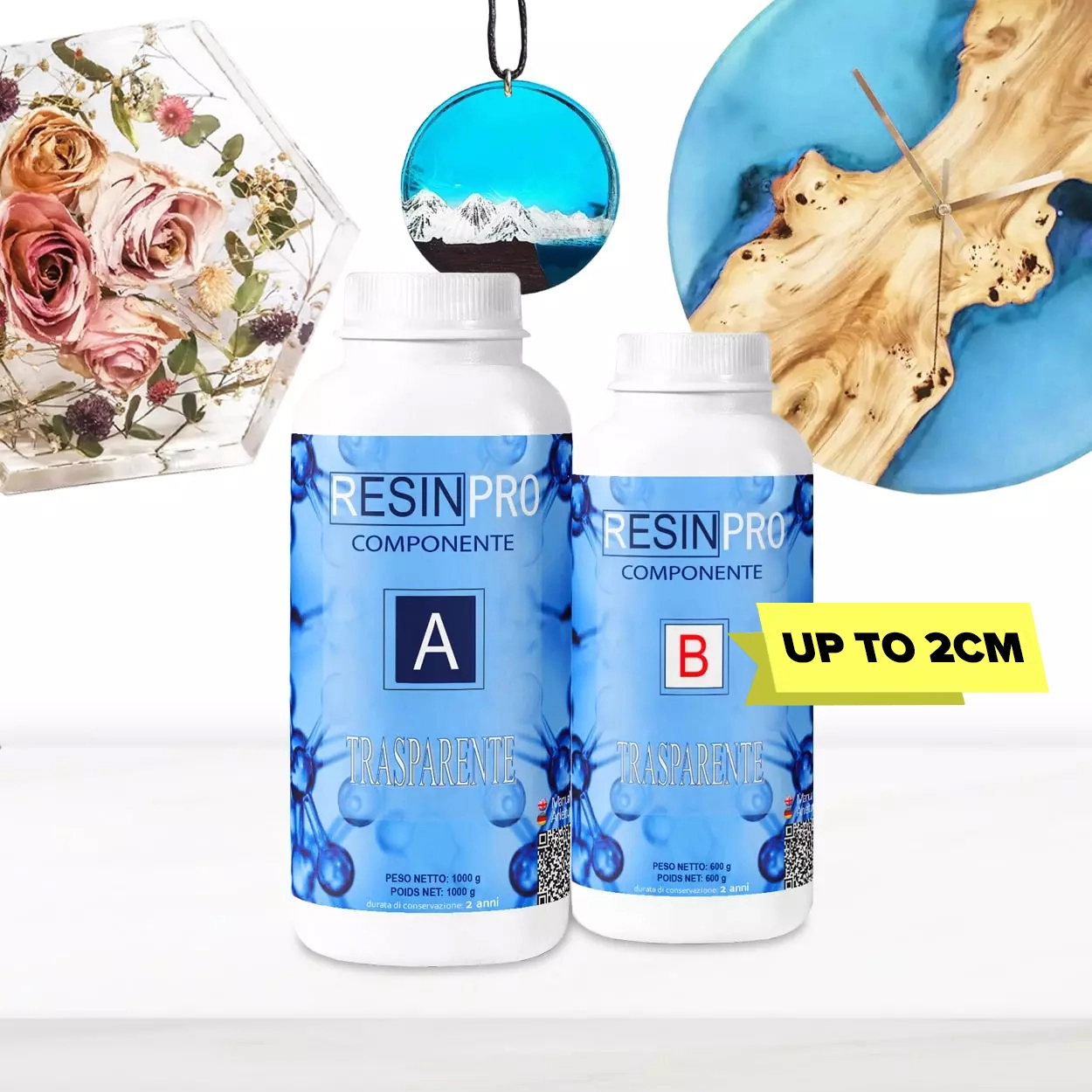 "Trasparente" – Multipurpose Clear Epoxy Resin for Casting – Up to 2cmPrice range: £8.95 through £397.95This multipurpose clear epoxy resin cures to a glossy, ultra-clear finish suitable for DIY and woodworking projects up to 2cm thick.
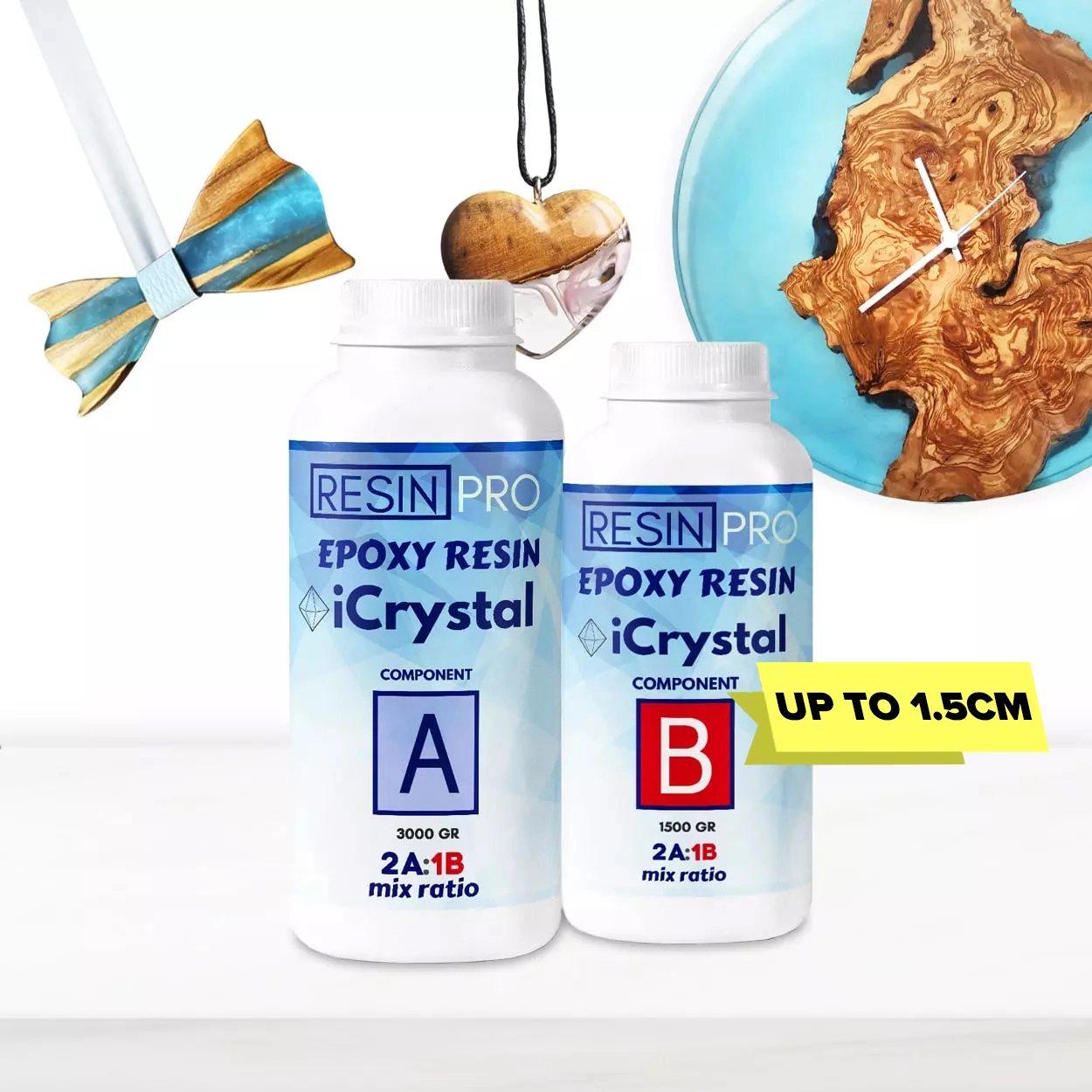 "Icrystal" – Clear Epoxy Resin – Odourless Formula – Up to 1.5cmPrice range: £12.45 through £341.45"Icrystal" is a clear epoxy resin with good transparency and scratch resistance, suitable for tables and artistic work within the freezer-related…
 “Epoxytable 10-Ten” – Deep Pour Epoxy Resin for Tables, Up to 10cm CastingPrice range: £35.95 through £351.95“Epoxytable 10-Ten” is an epoxy resin suitable for deep pours up to 10cm, designed for table and artistic projects.
Frequently Asked Questions
How long can resin safely stay in the freezer?
Freezing epoxy resin is not recommended for any duration, as it can permanently damage the product and impair its performance.
Does freezing resin make it cure faster?
No, freezing actually slows or halts curing and can provoke cloudiness or crystallisation. Always cure at room temperature for best results.
Can I store unmixed resin in the freezer?
No, unmixed resin should be stored in a cool, dry place but above freezing. Freezing may ruin its clarity and usability.
Will freezing help release bubbles in resin?
Freezing does not assist bubble release; it usually makes bubbles harder to remove by increasing resin’s thickness and trapping air.
Is it safe to freeze resin in jewellery moulds?
No, freezing resin in moulds can cause uneven cure, loss of gloss, and even fracturing. Room temperature demoulding yields best results.
Can cold resin be thawed and used?
Cold resin can be gently warmed to room temperature before use. Never mix or pour resin that is still chilled from being frozen.