 Free shipping on orders over £29,85
  Shipping Tracking!


 Google
 Facebook
← Back to Epoxy resin: what is the correct mixing ratio?


Deep pour projects such as river tables and large castings demand specialist epoxy resins that minimise heat build-up during curing. Choosing a formulation with a low exothermic reaction is essential for achieving bubble-free, professional results in layers several centimetres thick.
Why Low Exotherm Matters in Thick Pours
When casting thick layers with epoxy resin, excessive heat (known as exotherm) can cause warping, cracking, or yellowing. Resins tailored for high-thickness pouring, like Epoxytable 10-Ten, control temperature build-up by curing slowly and evenly. This makes them ideal for pours up to 10cm thick in one go, reducing risks and enabling larger projects without overheating.
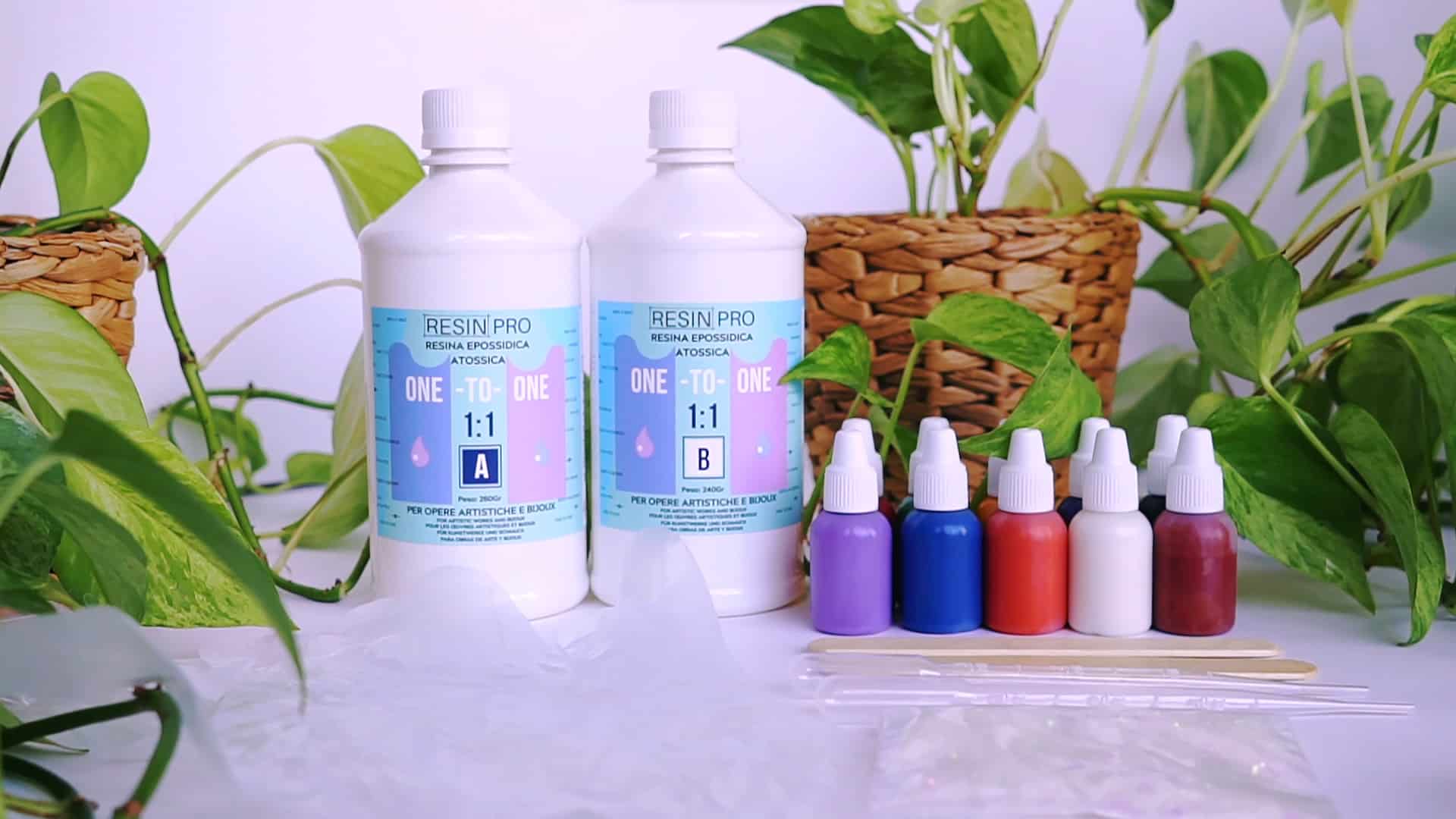
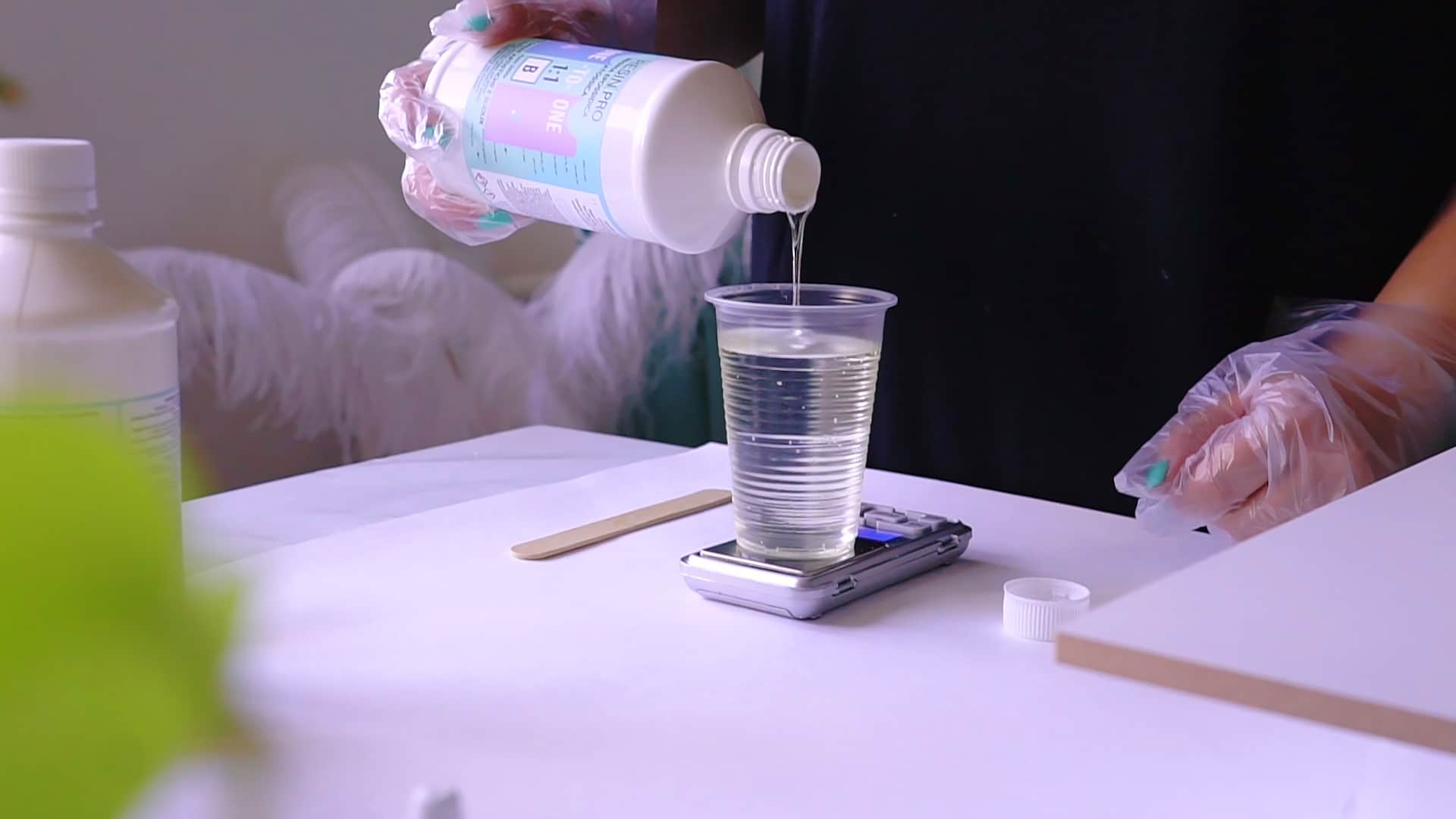
Guidance for High-Thickness Casting
- Mix carefully: Always follow the manufacturer’s recommended ratio – many deep pour resins use a specific ratio, often shown on packaging.
- Work in suitable conditions: A dust-free, temperature-controlled space helps ensure a clear, flawless finish.
- Pace your project: Do not pour beyond the advised thickness; for even bigger projects, use multiple layers after the previous one has cured to avoid heat spikes.
When Thickness and Safety Matter Most
High-thickness, low-exothermic resins are particularly valuable for river tables, artistic sculptures, and furniture where single, deep pours are desirable. Their slow, controlled cure is not just for aesthetics—it also helps prevent dangerous heat accumulation in large volumes, ensuring your project cures safely and successfully.

Related products
Related guides
For successful deep pour projects, choosing the right low-exotherm epoxy is crucial. Browse our dedicated deep casting resins or return to our main guide on epoxy mixing ratios to explore further.