 Free shipping on orders over £29,85
  Shipping Tracking!


 Google
 Facebook
← Back to Epoxy resin: what is the correct mixing ratio?

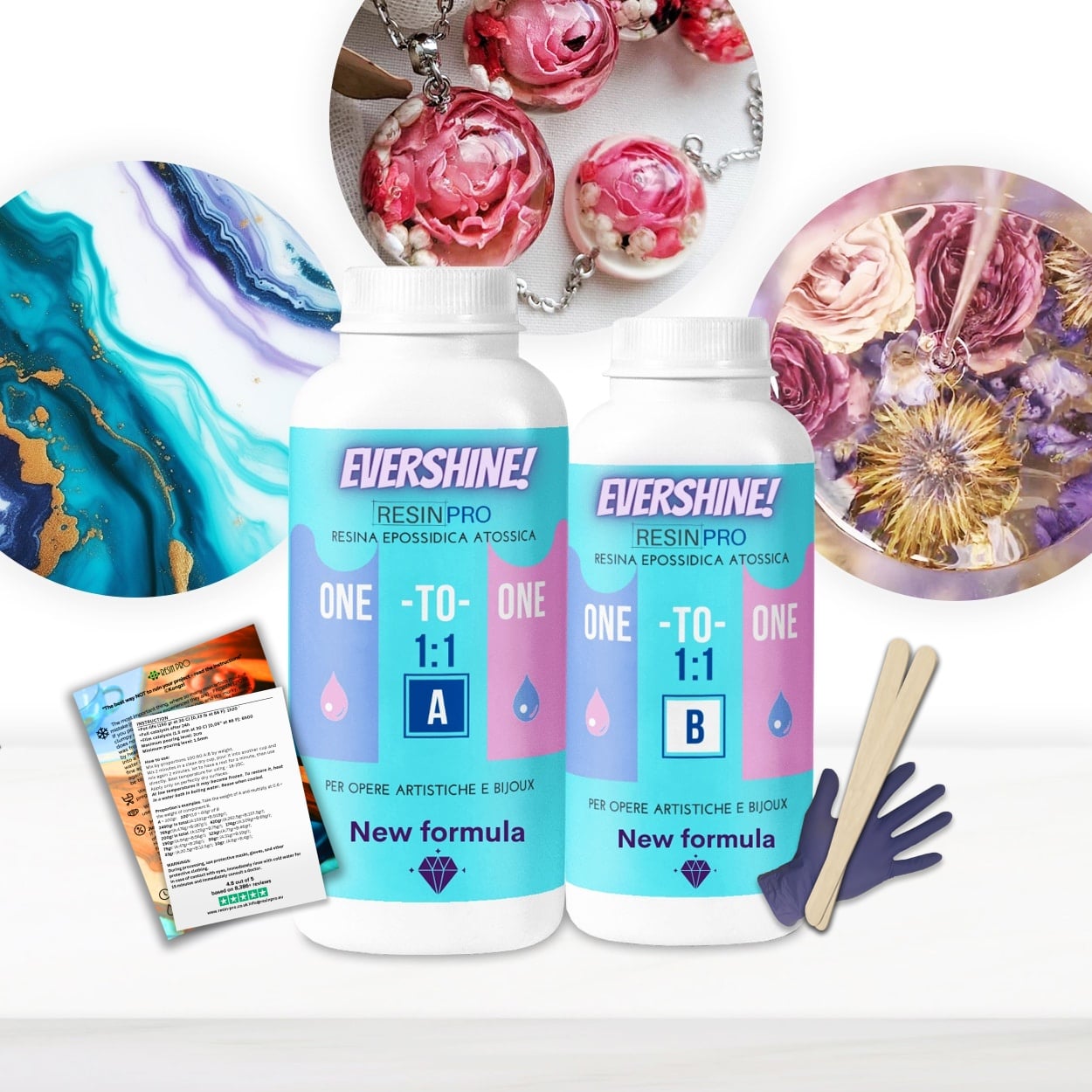
Deep-pour projects like river tables and large castings demand specialised epoxy resin. Super low viscosity formulas allow resins to flow smoothly, releasing bubbles easily and extending your working time for flawless, professional results.
Why Low Viscosity Matters in Epoxy Casting
Low viscosity epoxy resins are ideal for deep pours because the thinner liquid self-levels and penetrates intricate spaces, helping air bubbles escape more efficiently. This quality reduces the likelihood of bubbles being trapped inside larger casts, which is especially important for thick projects like tables or sculptural pieces where clarity is paramount.
- Ensures excellent flow and wetting
- Minimises trapped bubbles for crystal-clear results
- Prevents overheating and surface defects in deep pours
Extended Working Time: The Advantage for Large Projects
Super low viscosity deep-pour epoxy, such as Epoxytable 10-Ten, provides a long working time before the resin begins to cure. This allows you to carefully layer, adjust inclusions, and manage large custom pours without rushing. The result is greatly improved control, essential for confident beginners and professionals alike.
Practical Tips for Bubble-Free, Deep Castings
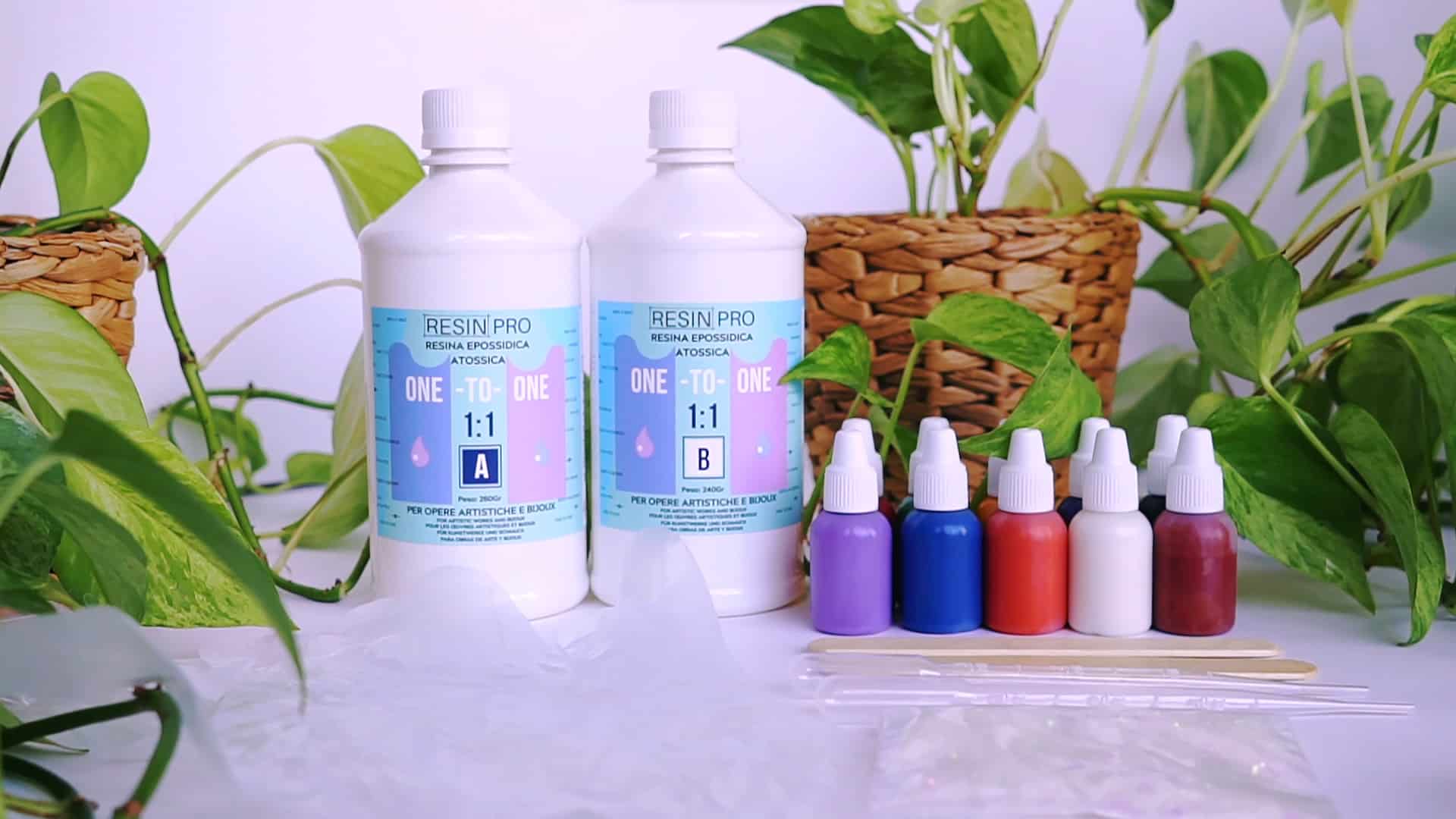
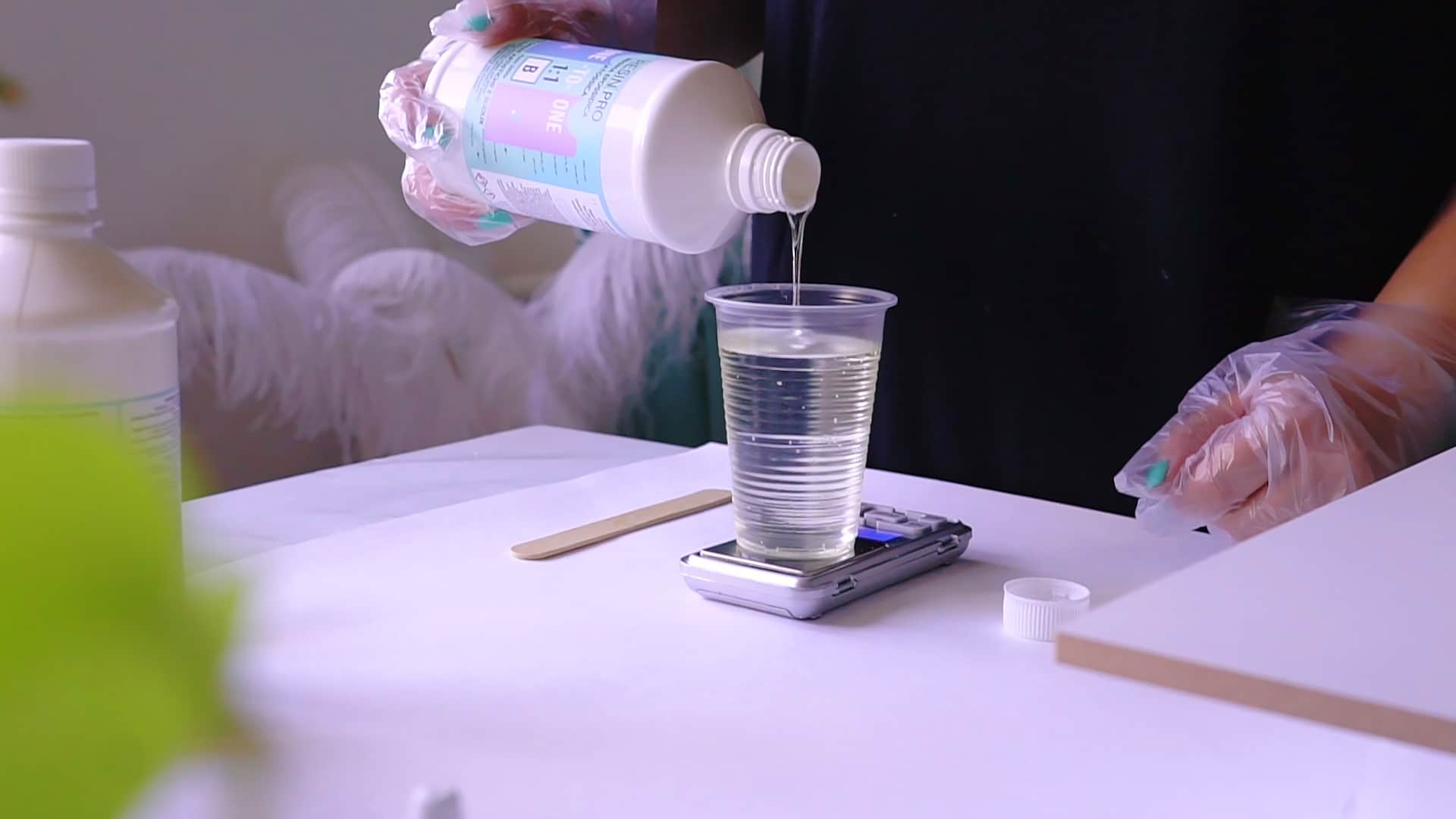
- Mix resin and hardener thoroughly at the recommended ratio shown on the packaging.
- Pour in layers if exceeding the recommended maximum depth—this supports even curing and better degassing.
- Use a flame torch or heat gun lightly on the surface to remove any surface bubbles within the first hours of pouring.

When This Matters Most
Artists and woodworkers creating resin river tables, thick countertops, or encapsulated artworks benefit greatly from super low viscosity resins. For pours up to 10 cm thick, proper product choice ensures clarity and strength with fewer casting complications.
Related products
Related guides
Choosing a super low viscosity epoxy with a long working time, such as Epoxytable 10-Ten, makes achieving pristine, bubble-free deep pours far simpler. This approach supports both stunning results and confidence—see our main guide on the correct epoxy mixing ratio for further advice.