 Free shipping on orders over £29,85
  Shipping Tracking!


 Google
 Facebook
← Back to Which is more durable: a resin or plastic cabinet?

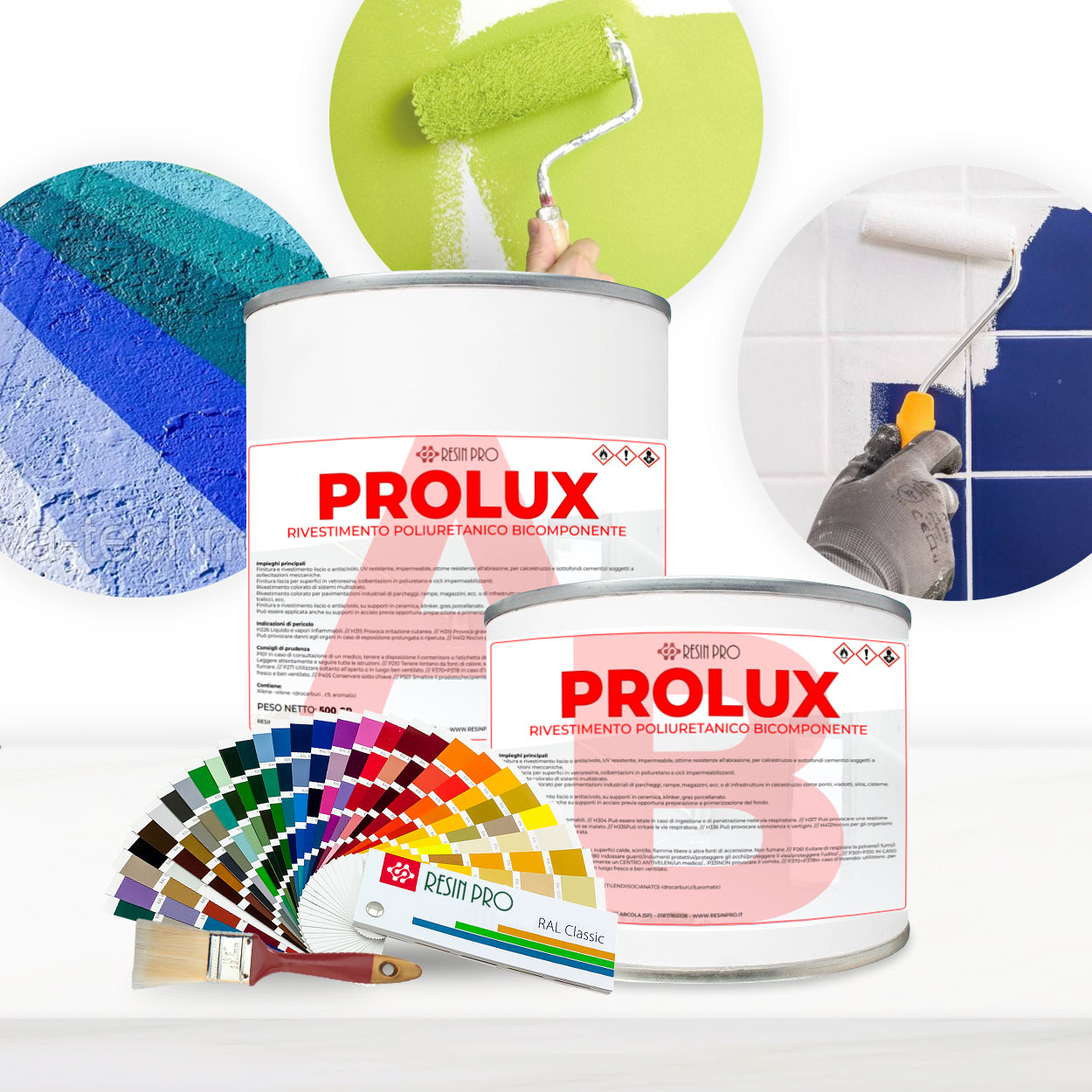
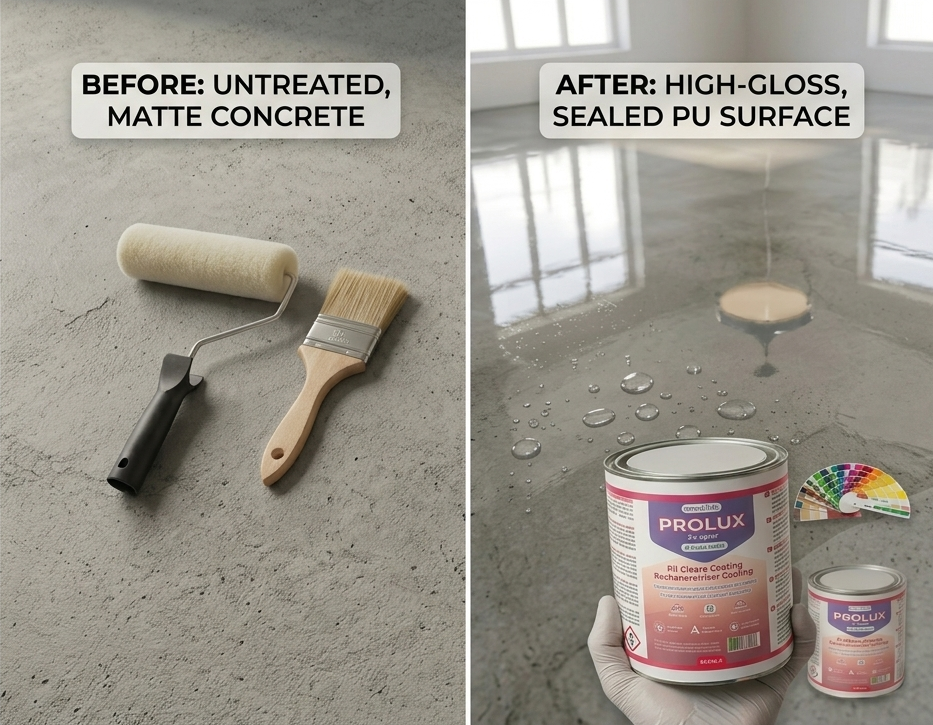
Resin-coated cabinets are valued for their stylish, glossy appearance and long-lasting protection. To preserve these qualities, it’s important to use cleaning methods that avoid scratching or dulling the surface.
Essential Cleaning Method
For everyday cleaning, simply wipe your resin-coated cabinet with a soft, non-abrasive cloth. Pair this with a mild detergent diluted in water to gently remove dust, fingerprints, or light spills. Avoid harsh chemicals or abrasive pads, as these can scratch or cloud the glossy finish.
- Use a microfibre or soft cotton cloth.
- Mix a small amount of mild detergent in warm water.
- Wipe gently, then dry with a clean, soft cloth to prevent streaks.
Removing Stubborn Marks
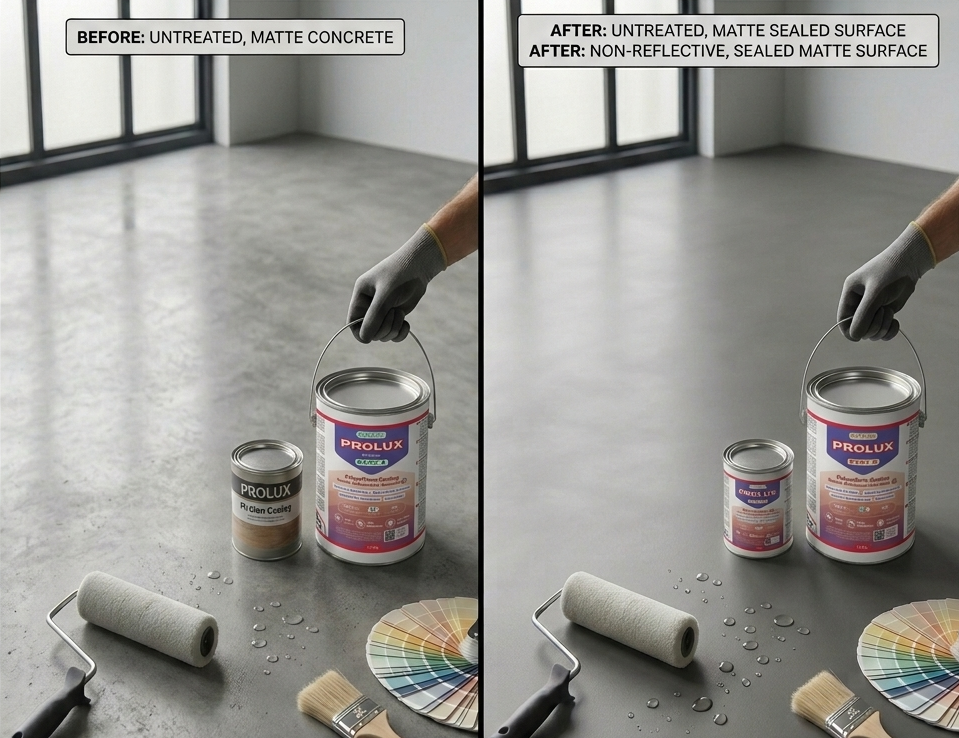
If you encounter marks that don’t lift with gentle cleaning, try blotting the area rather than scrubbing. For slightly ingrained grime, dampen your cloth with a bit more detergent solution and apply light pressure, working in circles. Never use scouring powders or steel wool, as they damage the resin layer.
For protective maintenance or if your surface is beginning to show wear, a specialist resin such as Art Pro Deluxe can also be used for renewing glossy coatings if needed.
When Gentle Cleaning Matters Most
Gentle cleaning is particularly important for cabinets with artistic resin finishes or those in high-traffic areas. Regular care helps maintain the natural lustre of the resin and prolongs the cabinet’s life without the need for professional refinishing.
Related products
Related guides
Looking after your resin-coated cabinets is straightforward with the right approach. For more guidance on resin durability in comparison to other materials, explore our main guide about resin versus plastic cabinet options.