 Free shipping on orders over £29,85
  Shipping Tracking!


 Google
 Facebook
← Back to Which is more durable: a resin or plastic cabinet?
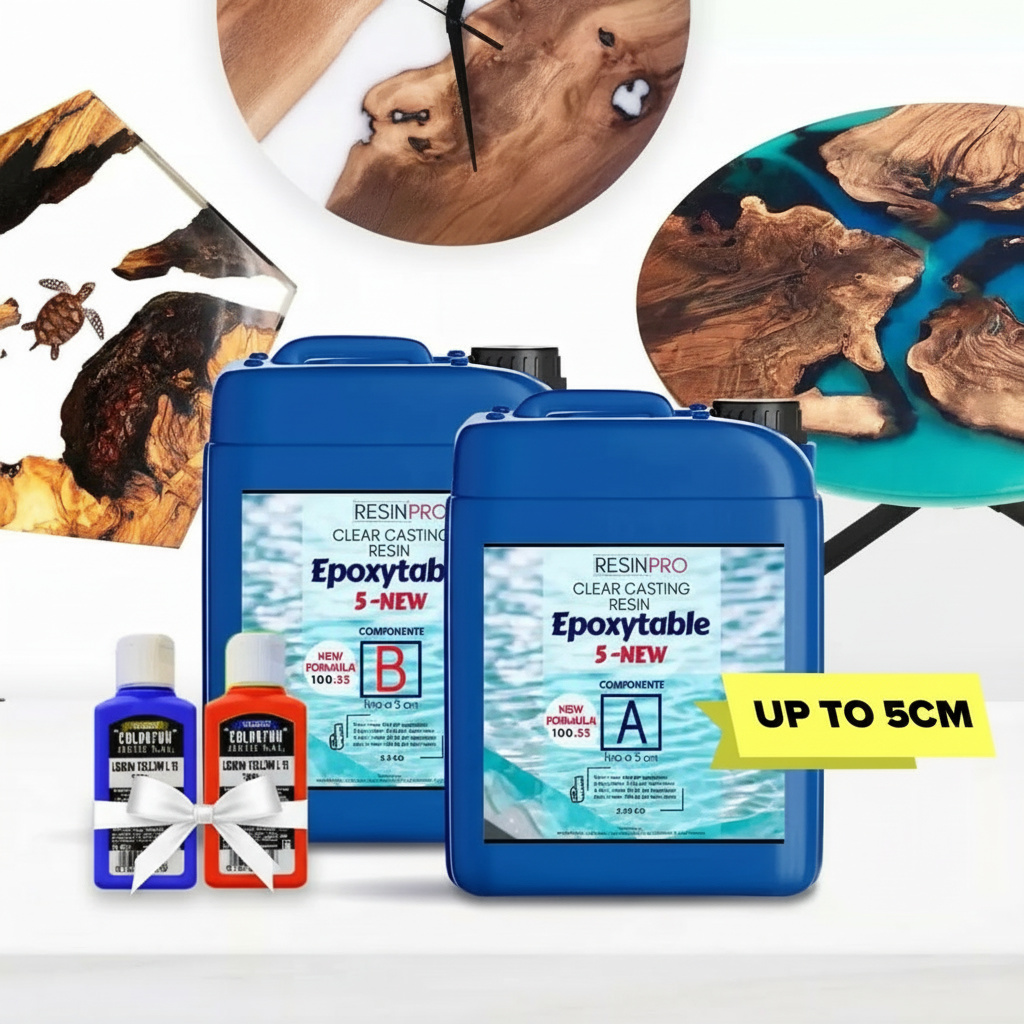
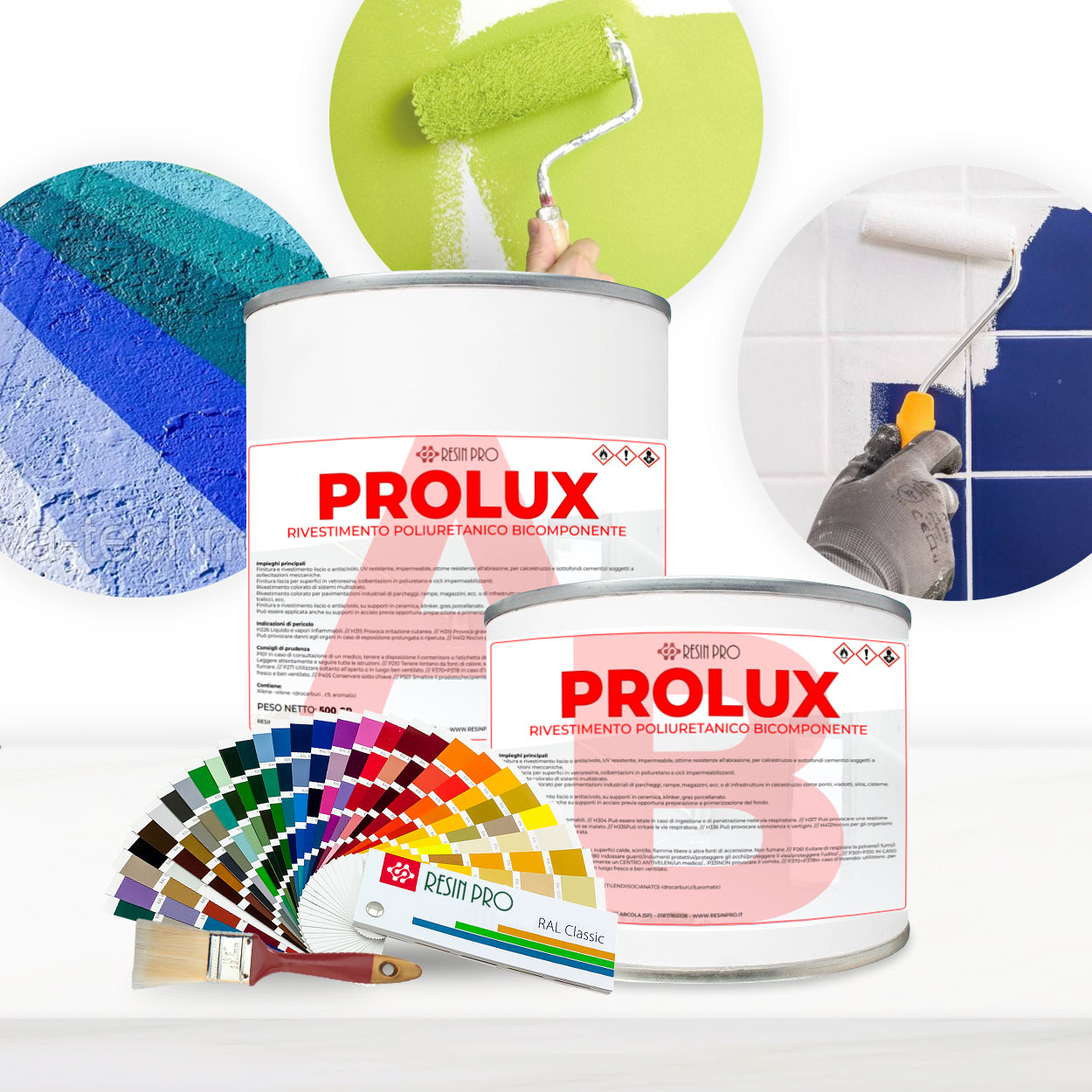
Choosing the right material for cabinetry impacts both appearance and everyday durability. If scratch resistance is your top concern, it’s worth comparing resin and plastic finishes more closely.
Resin vs Plastic: Surface Hardness and Abrasion Resistance
Properly formulated resin surfaces, such as modern epoxy or polyurethane, usually offer higher scratch and abrasion resistance than standard plastics. While basic plastic cabinets can pick up scuffs and marks from frequent use, cured resin coatings form a tougher, harder layer that resists most daily wear and tear. This makes resin a preferred choice for applications where longevity and a pristine finish are essential.
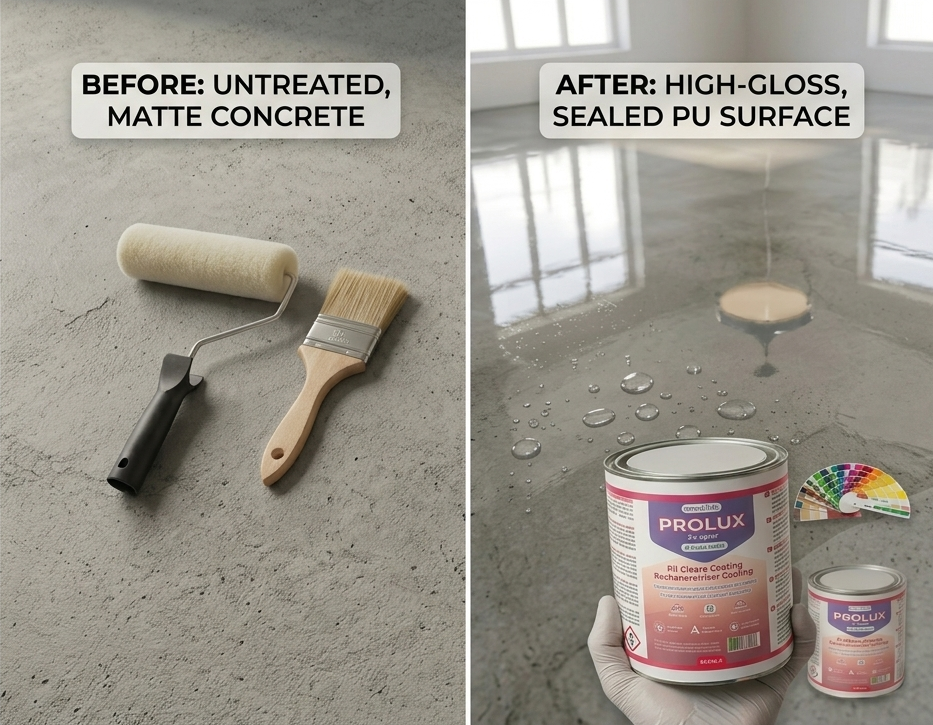
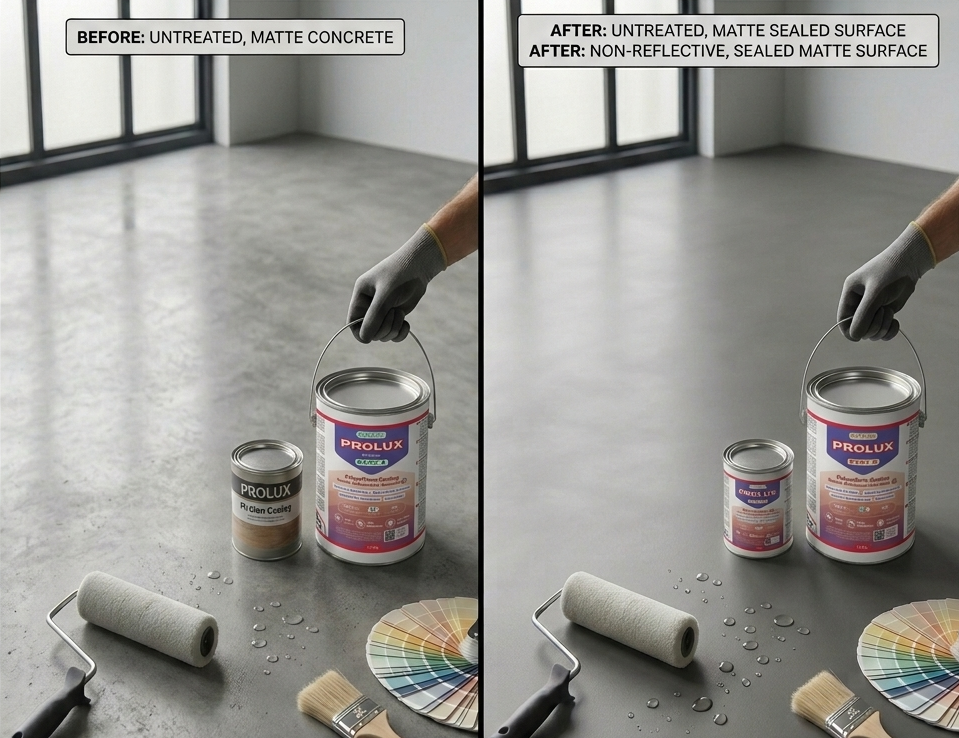
Where Scratch-Resistant Finishes Make the Difference
- High-traffic kitchens: Cabinet doors and worktops are less prone to marks from utensils or cleaning.
- Workshops or craft areas: Surfaces maintain their appearance even with regular equipment use.
- Creative furniture: Resin is ideal for custom tables and shelving where appearance matters long-term.
Practical Guidance for Selecting a Resin Surface
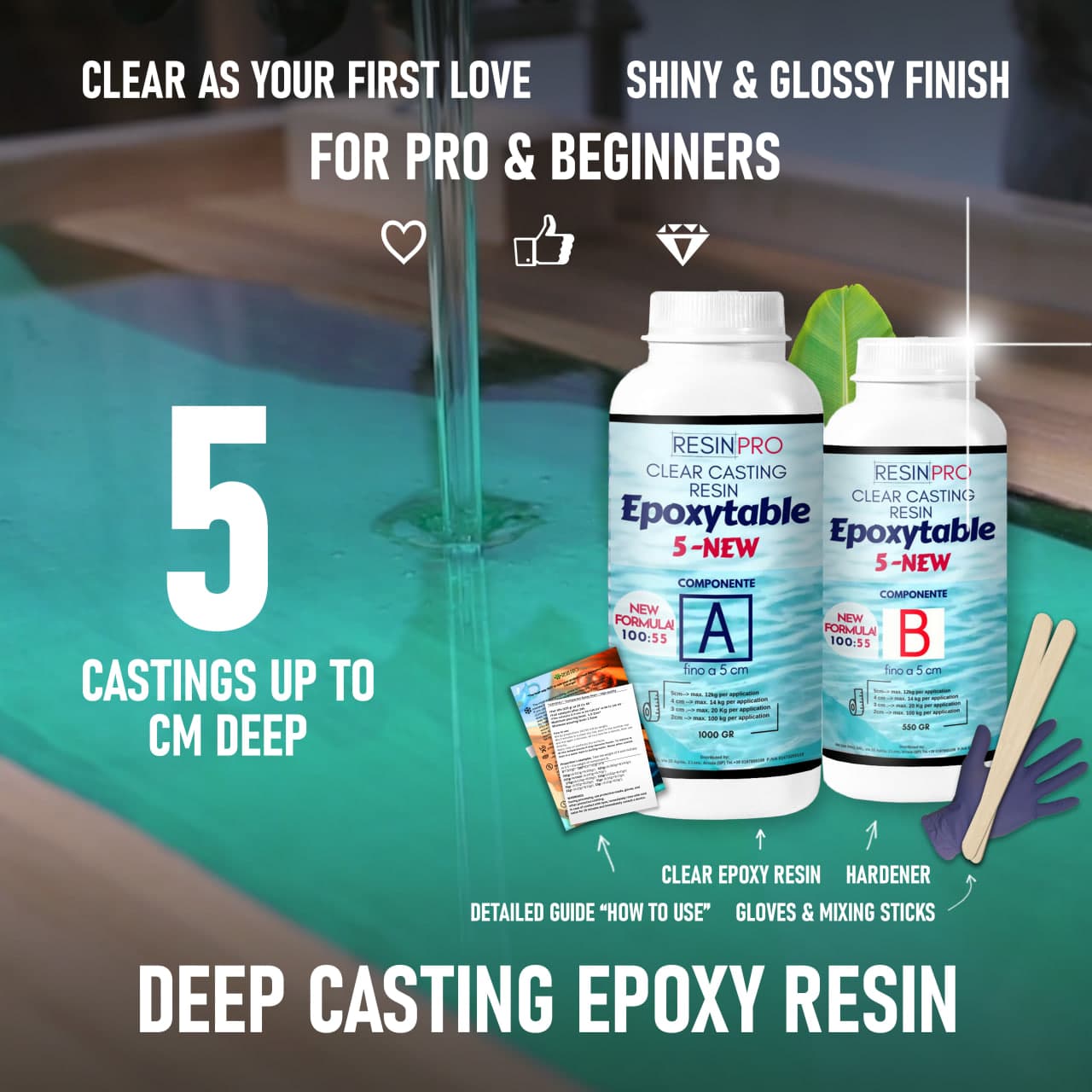
If durability is a key goal, choose a high-quality resin designed for surfaces subject to mechanical stress. For furniture finishes or tabletops, products like EpoxyTable 5-Five provide a scratch-resistant and glossy layer. For even more robust protection—such as on plastic or metal cabinets—a polyurethane coating like Prolux PU Coating delivers excellent resistance to abrasion. Remember, for best performance, always prepare surfaces according to the manufacturer’s instructions before coating.
Related products
Related guides
Understanding the strengths of resin compared to plastic helps you create cabinets that look great and stand up to real-life use. For a deeper dive into lasting durability, return to our main guide on resin versus plastic cabinet durability.