 Free shipping on orders over £29,85
  Shipping Tracking!


 Google
 Facebook
← Back to Which is more durable: a resin or plastic cabinet?

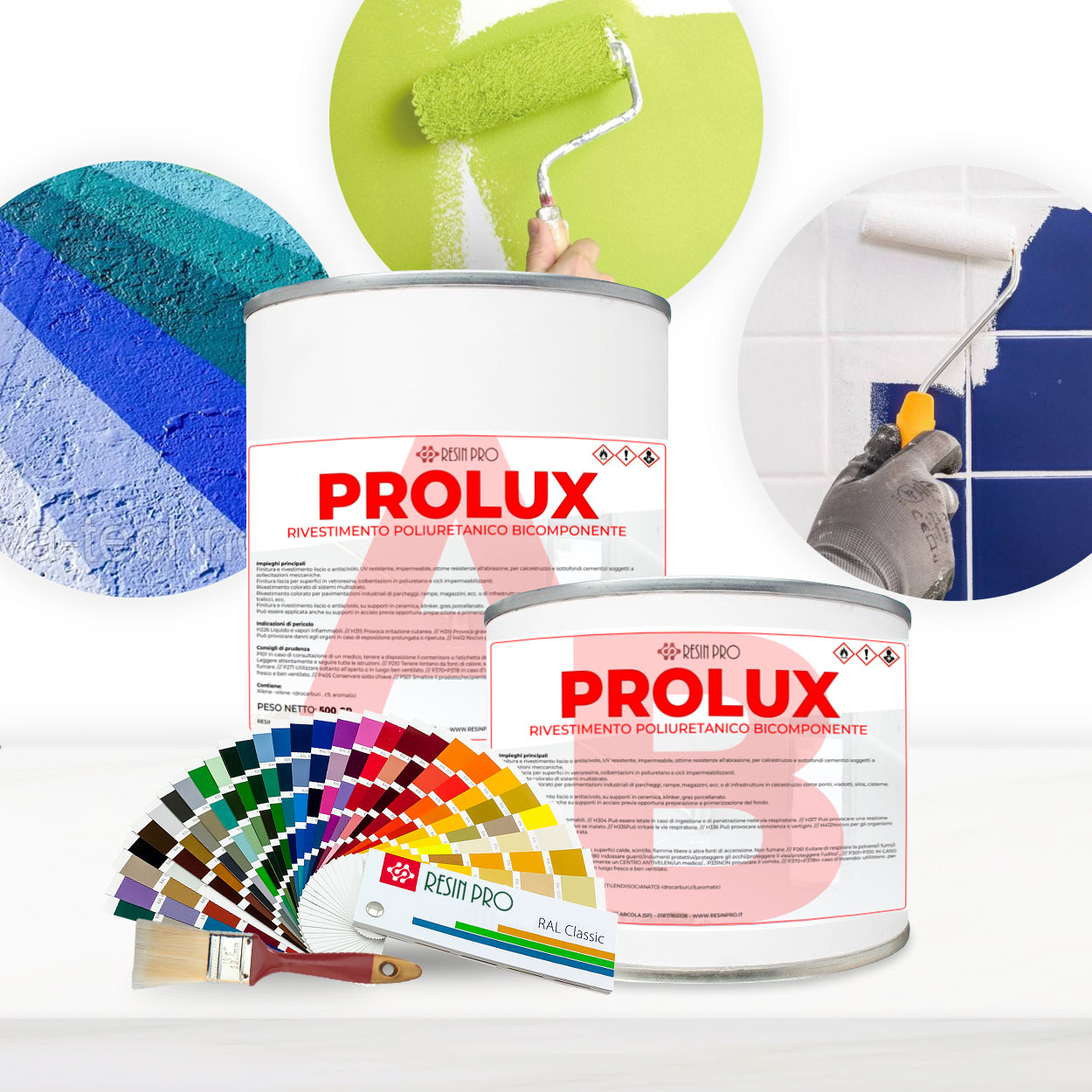
Resin finishes promise remarkable durability and a striking look for cabinets, but the application process is not without its hurdles. If you are considering adding a resin layer to cabinetry, understanding its key challenges is essential to achieving the results you expect.
Getting the Preparation Right
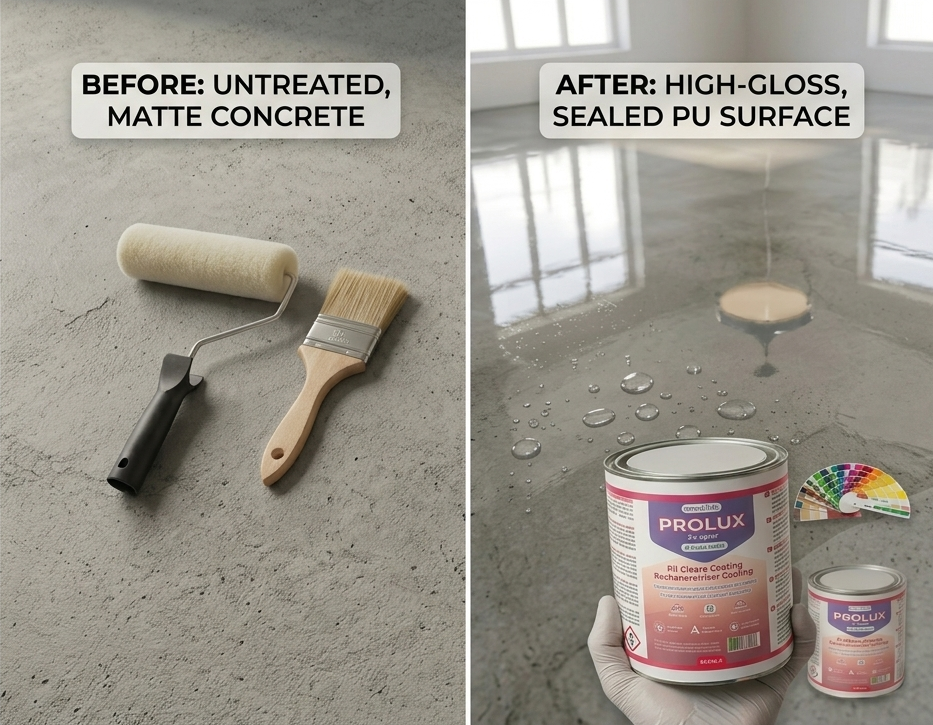
One of the most critical – and easily overlooked – steps when using resin on cabinets is thorough surface preparation. Cabinets must be clean, dry, and free of grease or dust. Even minor surface contaminants can affect resin adhesion, leading to poor bonding or visible imperfections. Sanding between layers is often needed for the smoothest finish, and for best results, masking off surrounding areas helps prevent unintended spills or runs.
Mixing and Application Challenges
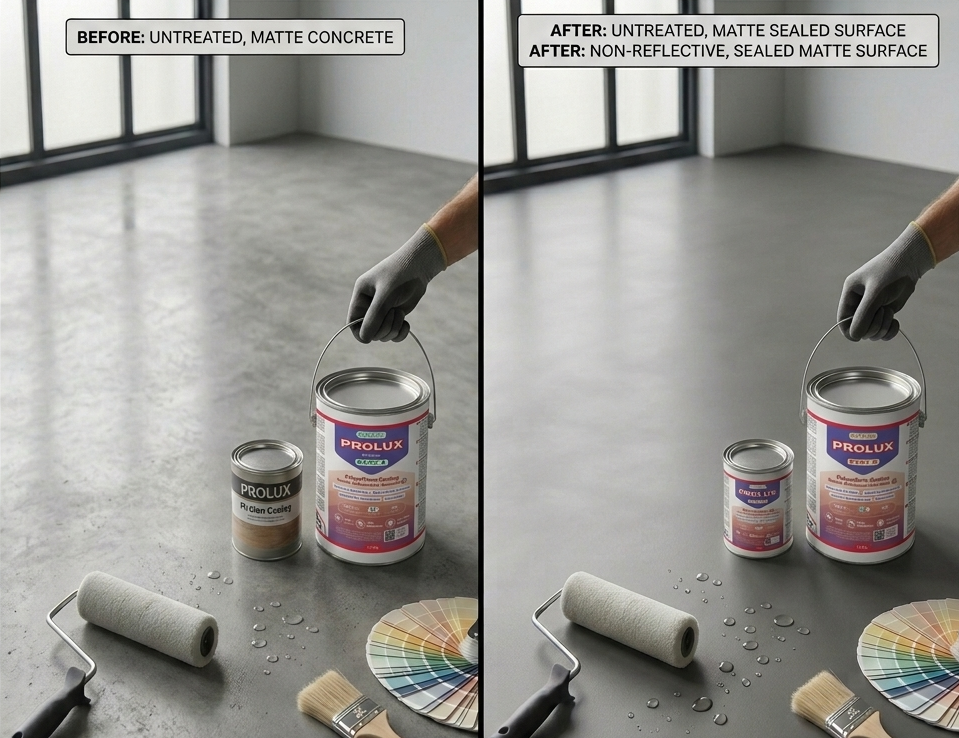
Resins, whether epoxy or polyurethane, typically require mixing two components in precise ratios. Inaccurate measuring or insufficient mixing can result in soft spots, incomplete curing, or a tacky surface. Take your time to mix thoroughly, scraping the sides and bottom of your container. During application, resin can run or drip on vertical surfaces, making products like Art Pro Deluxe (high viscosity) a practical choice for improved control on cabinet fronts or edges.
When Attention to Detail Matters
- Intricately shaped cabinets require careful application to avoid pooling or streaks.
- High traffic or frequently cleaned cabinets especially benefit from properly cured, well-adhered resin coatings.
- Repairs or touch-ups may be challenging, as blending fresh resin with cured surfaces can be tricky.

Related products
Related guides
While resin coatings can deliver unmatched resilience for cabinet surfaces, success depends on careful surface preparation and application. These steps are particularly relevant when comparing the real-world durability of resin and plastic cabinetry—explore more insights on our main durability guide.