 Free shipping on orders over £29,85
  Shipping Tracking!


 Google
 Facebook
← Back to How to apply metal inserts in epoxy resin?

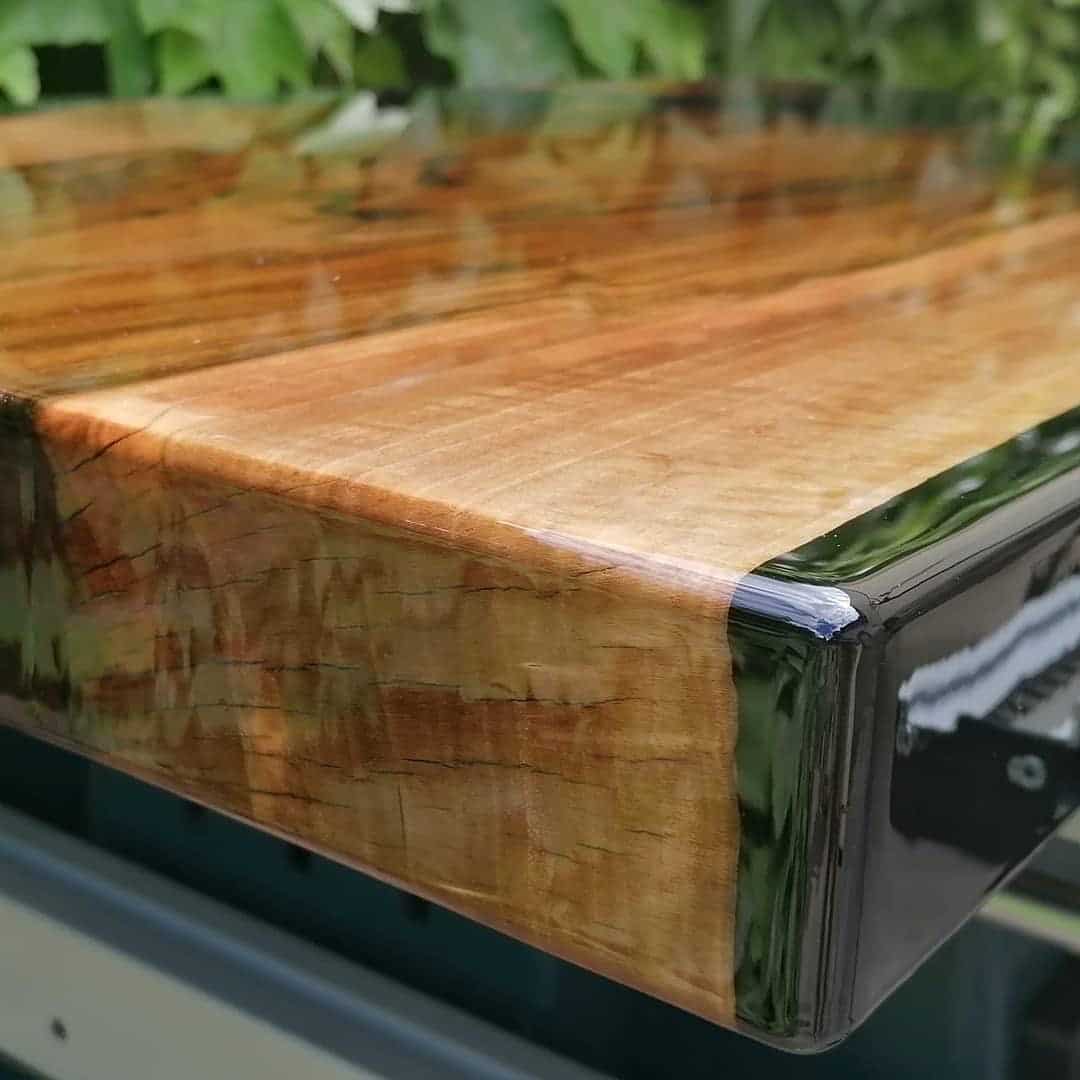
Preventing metal inserts from moving during epoxy resin pours is crucial to achieve a precise, professional result. Here’s how to keep your inserts in place for flawless embedded designs.
Timing Your Pour for Maximum Control
One of the most effective methods for stabilising metal inserts is to pour a thin base layer of resin and allow it to reach a tacky consistency before positioning your inserts. This semi-set surface gives just enough grip to hold the metal in place, reducing the risk of sinking or shifting as you continue the pour. Carefully monitor the curing stage to catch the ideal moment—this is typically when the resin feels sticky to the touch but does not transfer onto your finger.


Techniques for Heavy or Awkward Inserts
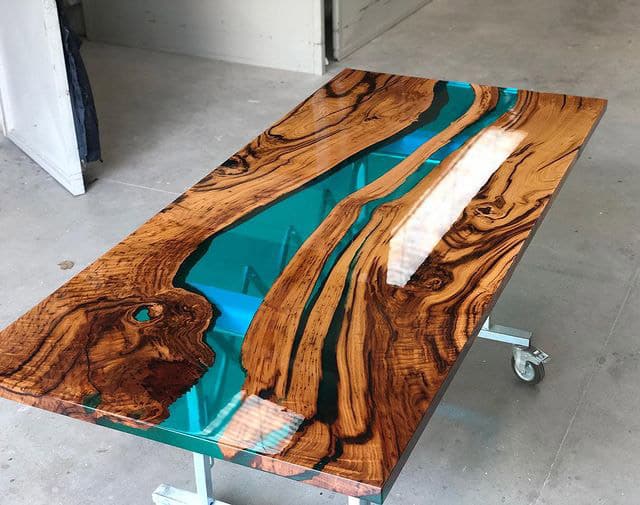
Heavier inserts may still move, even on a tacky base. To counteract this, use makeshift supports or suspend the insert from above with fine wire or tape, keeping it steady until the resin partially cures around it. For deep castings—such as table projects where precise alignment is vital—use a deep-pour resin like Epoxytable 10-Ten, which is formulated for clarity and reduced heat build-up in thick pours.
When This Matters Most
- You need perfect alignment for visible or functional inserts, such as table hardware or decorative objects.
- The project uses high-value materials or intricate moulds.
Related products
Related guides
With careful timing and basic supports, you can ensure your metal inserts remain securely placed in any resin project. For more advanced tips and guidance, see our full advice on how to apply metal inserts in epoxy resin.