 Free shipping on orders over £29,85
  Shipping Tracking!


 Google
 Facebook
← Back to What are the alternative uses of epoxy resin?
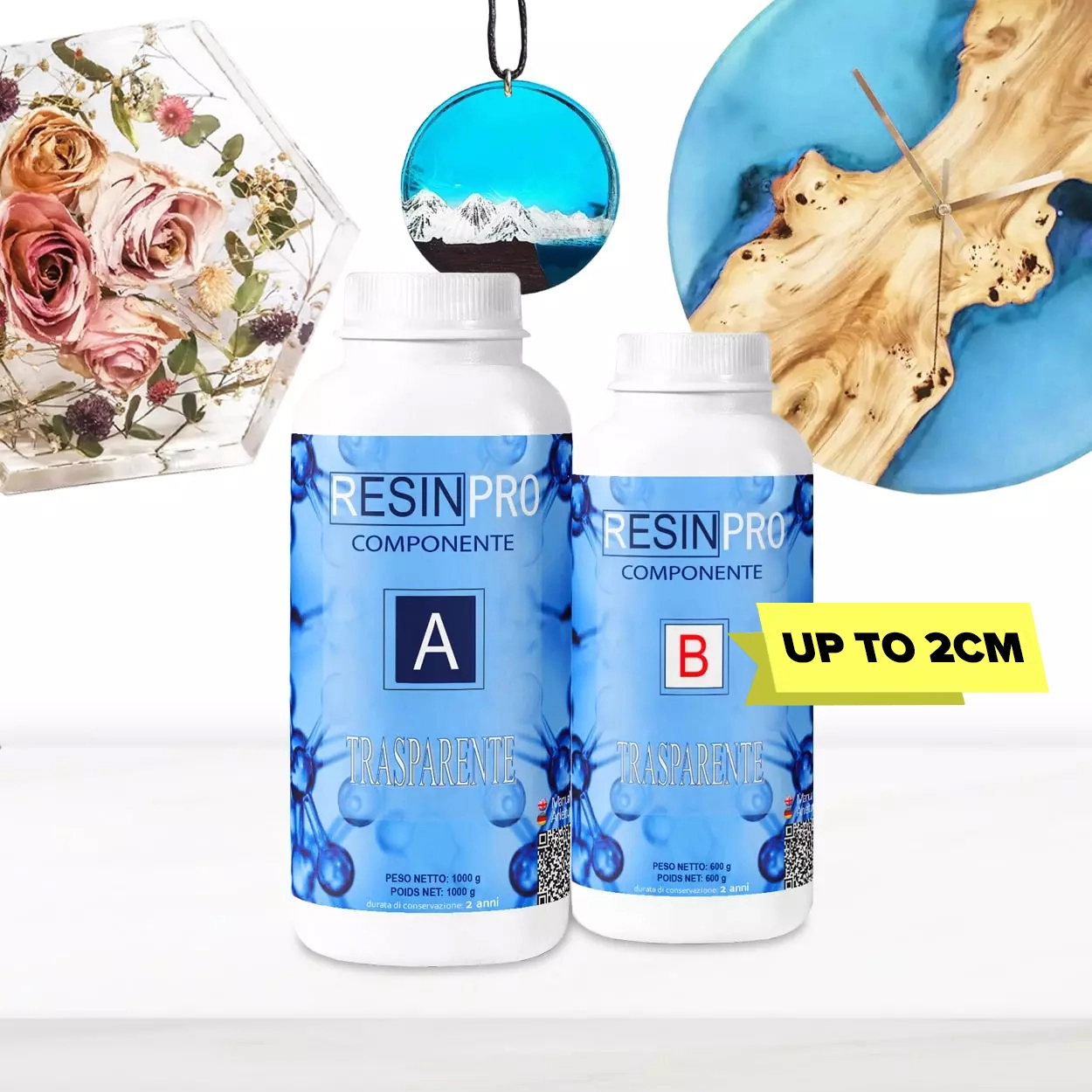

Overheating is a common concern when casting epoxy resin, especially for larger or thicker projects. Taking preventative steps ensures a successful result, helping you avoid cracks or unwanted curing issues.
Understand Maximum Pour Depth
Every epoxy resin has a recommended maximum pour depth, which differs by product and formulation. Exceeding this depth can trigger a strong exothermic reaction, causing the resin to overheat and potentially crack or discolour. For example, “Trasparente” epoxy is suitable for up to 2cm per layer, while resins like “Epoxytable 10-Ten” allow for thicker pours up to 10cm. Always check your specific resin’s guidelines before you begin pouring.

Safe Layering and Environment
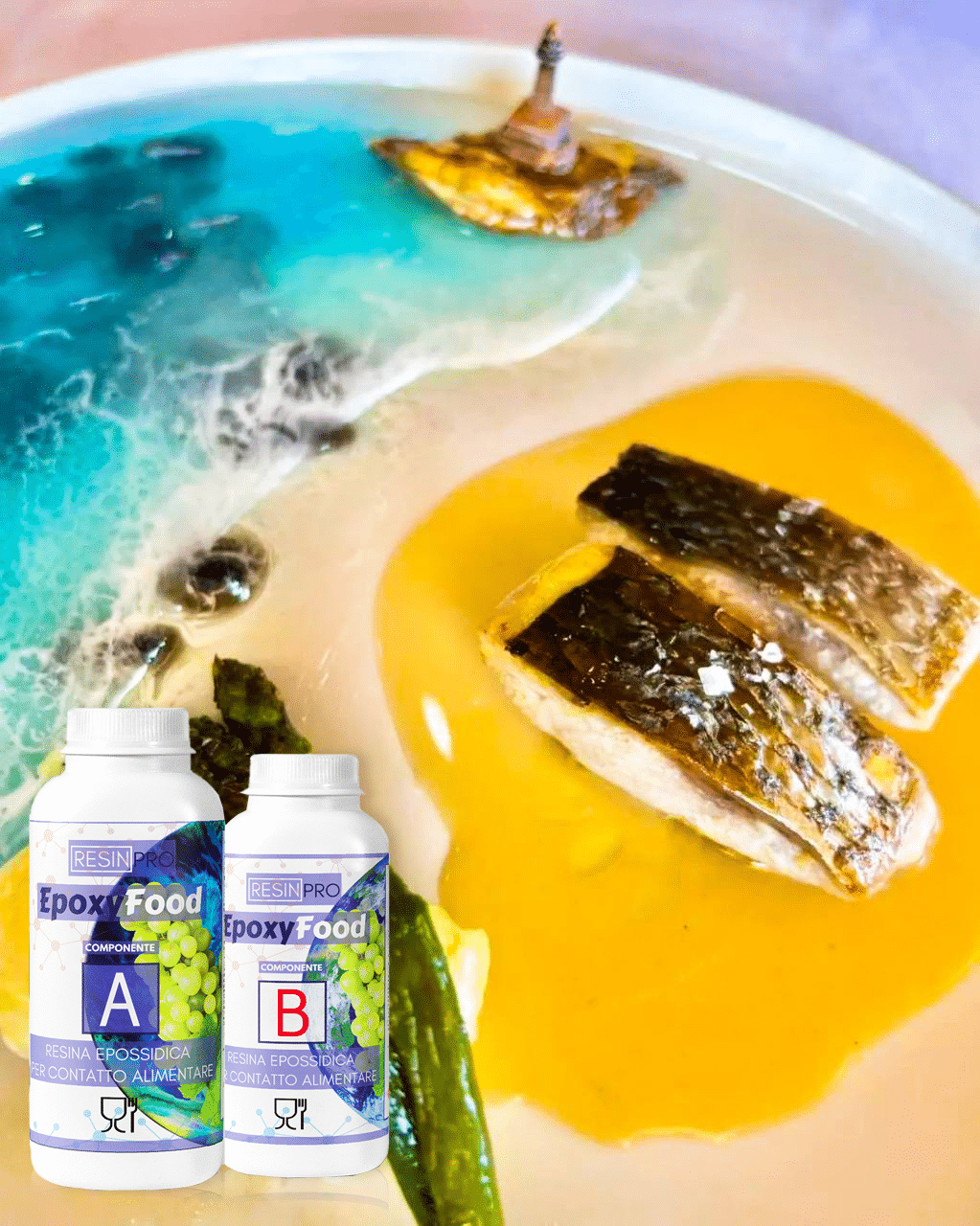
If your project needs a thicker casting, pour in stages and let each layer cure before adding the next. This prevents the buildup of excessive heat. Also, work in a cool, well-ventilated space and never attempt to accelerate curing by applying heat guns or hot water baths, as these can dramatically increase the risk of overheating.
When This Matters
- Deep pours for river tables or large artwork
- Warm workshop environments
- Working with rapid-curing or high-volume mixes
If you notice excessive heat or smoke, stop adding new resin and allow the mix to cool before proceeding.

Related products
Related guides
By understanding pour depth limits and safe casting techniques, you ensure your epoxy creations remain smooth, clear and uncompromised. For more creative ideas and expert guidance, explore our full guide on alternative uses of epoxy resin.