 Free shipping on orders over £29,85
  Shipping Tracking!


 Google
 Facebook
← Back to How to Create a Wood Effect with Epoxy Resin
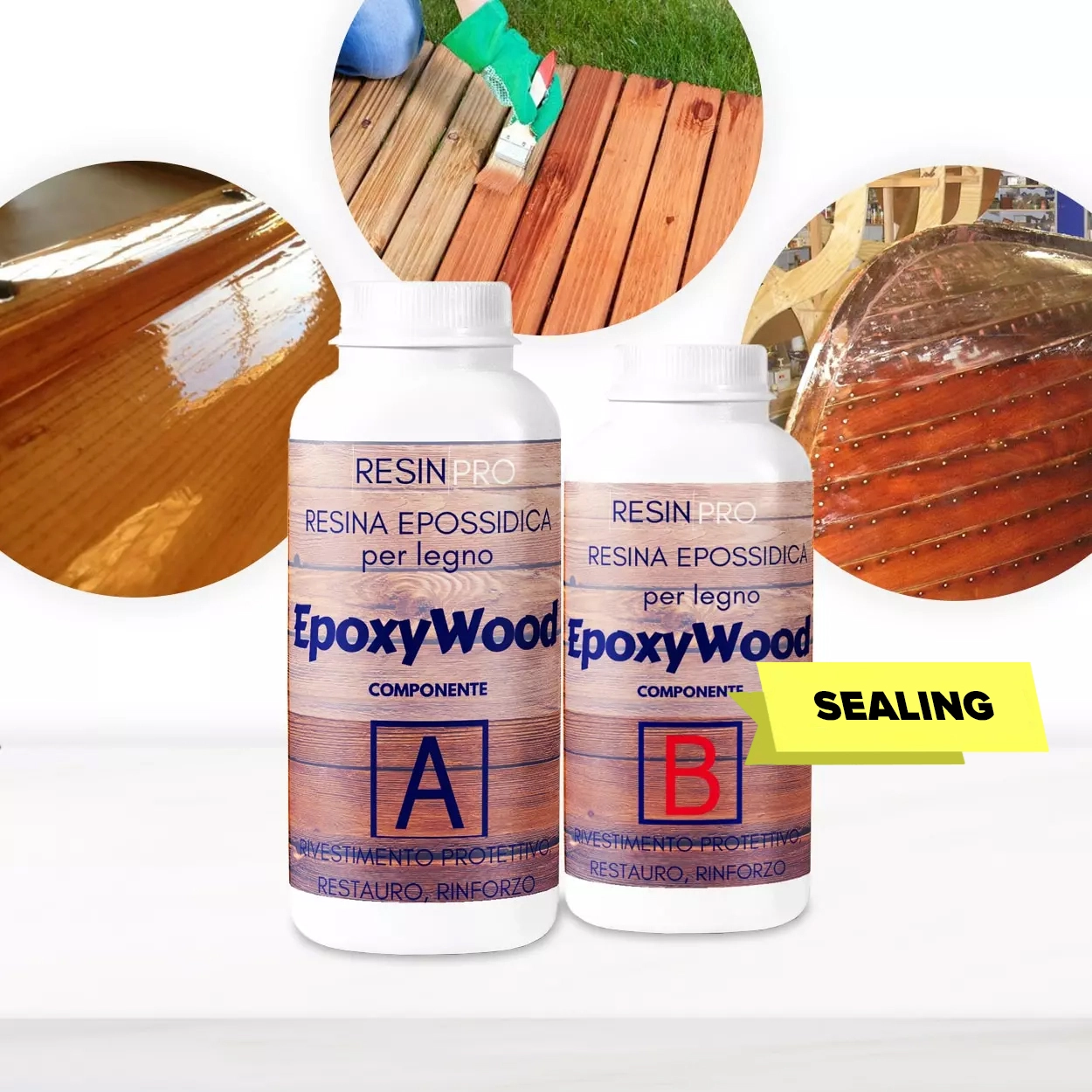
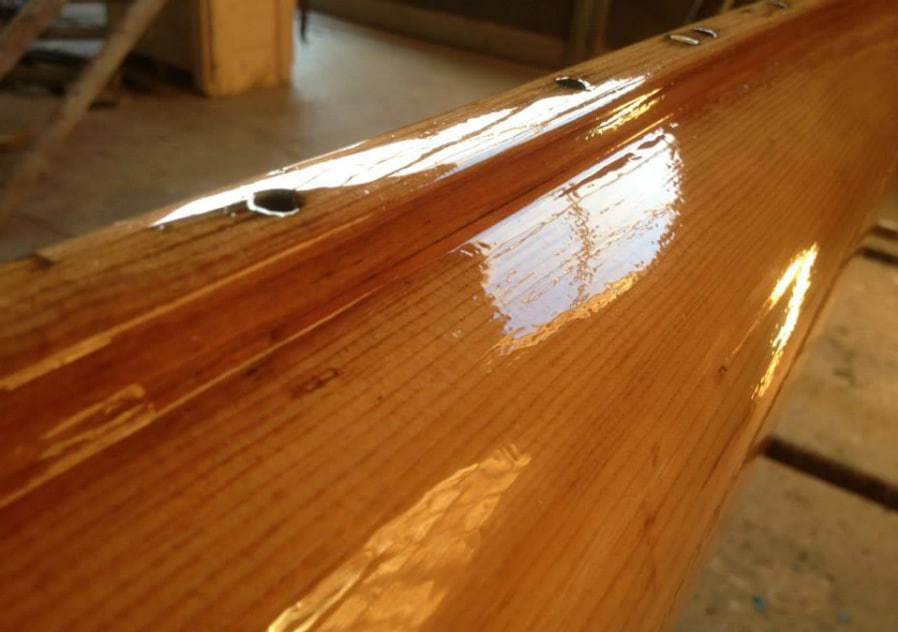
If you’re aiming for a flawless wood and resin project, sealing the wood before pouring epoxy resin is a foundational step. Doing so can make all the difference in achieving a smooth, professional finish.
The Importance of Sealing Wood
Wood naturally contains pores and tiny air pockets that can trap air. When epoxy resin is poured directly onto untreated wood, this trapped air may slowly release into the resin as bubbles, causing imperfections that are difficult to remove. Sealing the wood acts as a protective barrier: it fills these pores, preventing air from escaping and ensuring bubbles are minimised once the main resin layer is applied.

Getting the Best Adhesion
Alongside preventing bubbles, a well-sealed wooden surface improves how the resin adheres to the wood. This results in a stronger bond and a much more consistent finish with fewer defects or areas where the resin may lift or separate over time. For the best results, use a low-viscosity sealing product, such as EpoxyWood, designed specifically to penetrate and reinforce dry wood for a lasting foundation.
How to Seal Your Wood Effect Project
- Ensure the wood is completely dry and sanded smooth before sealing.
- Apply a thin coat of wood-specific epoxy sealer, letting it penetrate and cure as instructed. This creates a barrier and prepares the surface for the main pour.
- Once cured, lightly sand if needed, then proceed to pour your decorative resin layer for your desired wood effect.
This extra step ensures clarity, adhesion and the enduring beauty of your finished item.

When This Matters Most
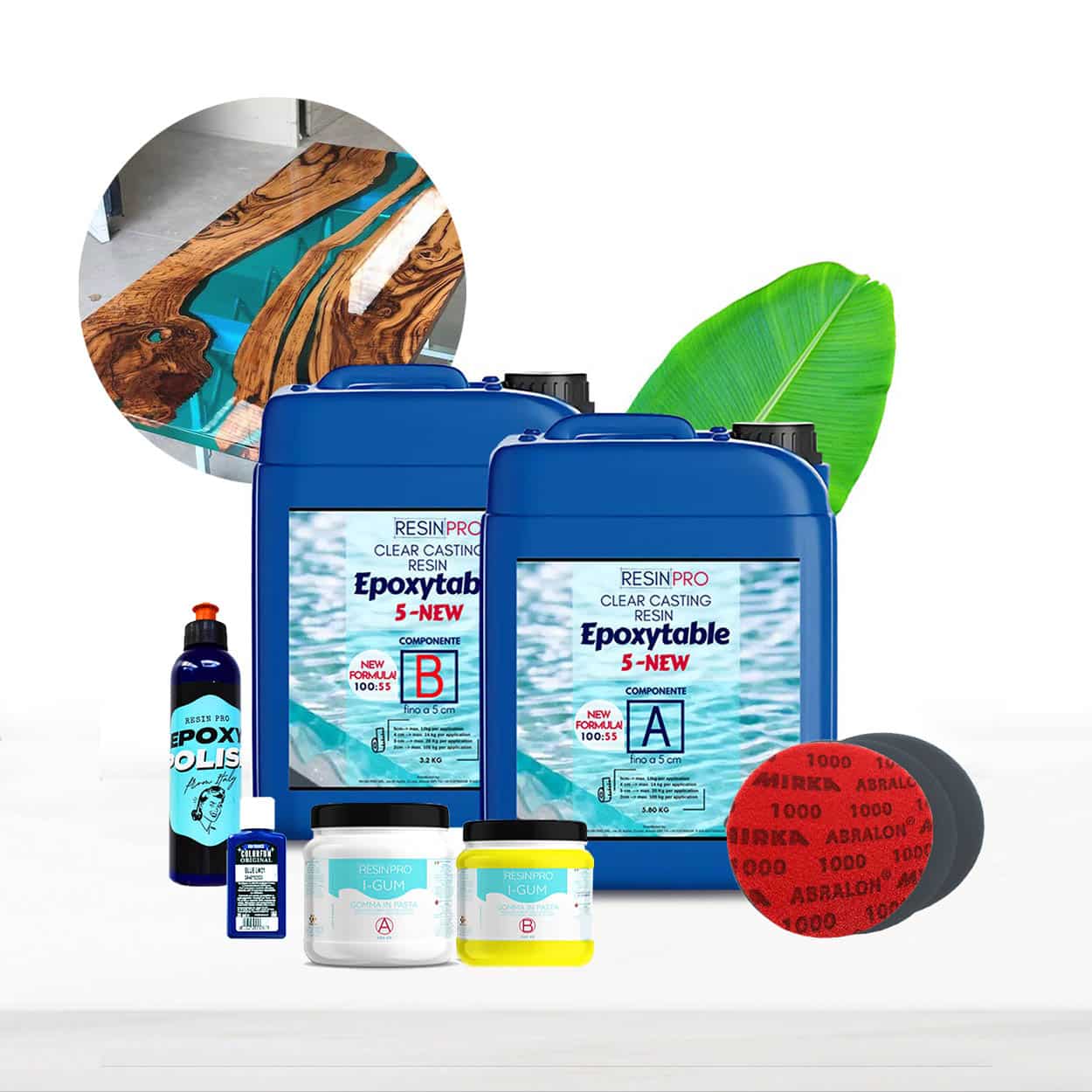
Sealing is especially crucial for porous woods, large castings, or when a pristine, bubble-free finish is essential—such as river tables or artistic projects where clarity is key.
Related products
Related guides
Taking the time to properly seal your wood is a core technique in any successful wood-and-epoxy creation. For more insight into perfecting your wood effect resin projects, return to our main guide on how to create a wood effect with epoxy resin.