 Free shipping on orders over £29,85
  Shipping Tracking!


 Google
 Facebook
← Back to How to Create a Wood Effect with Epoxy Resin

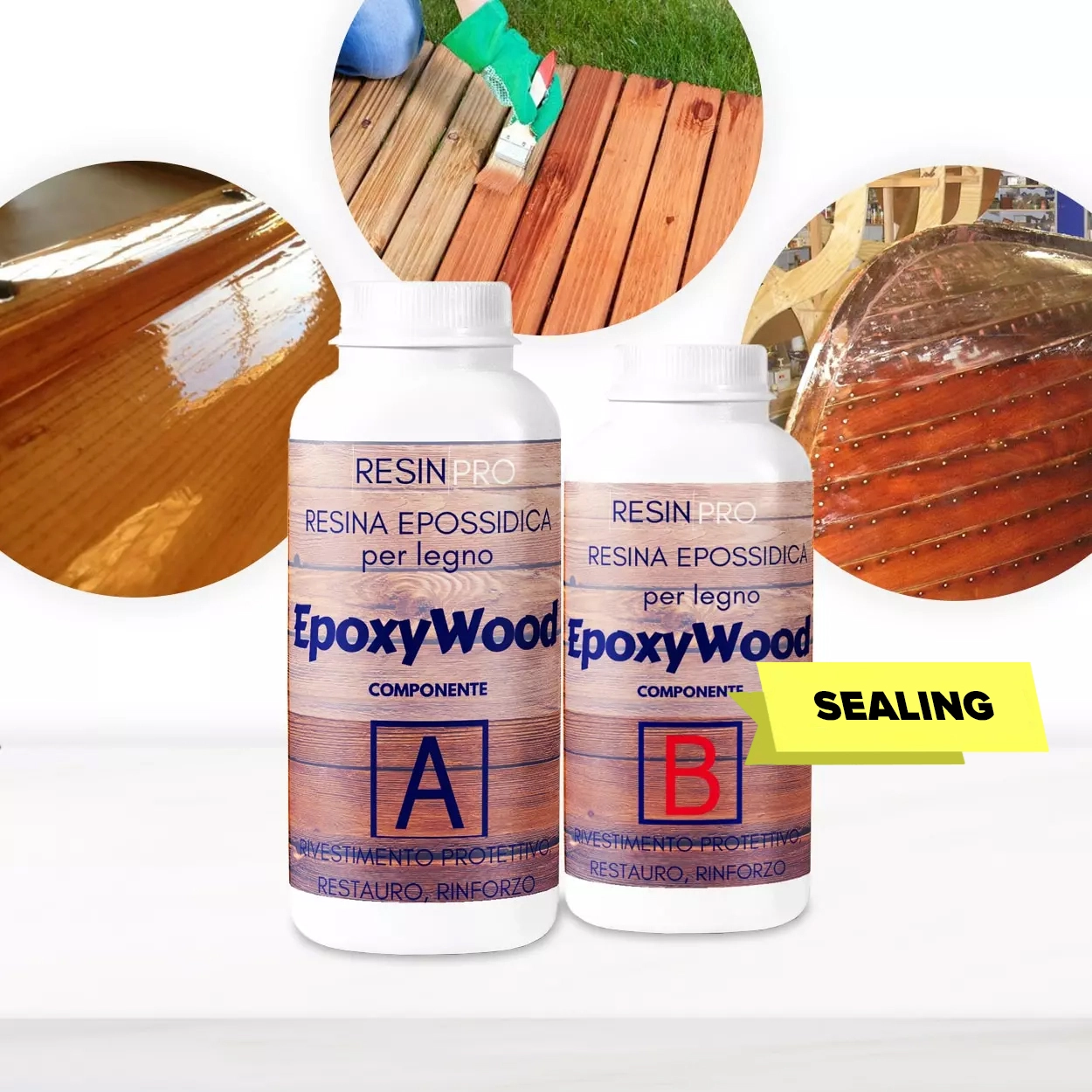
Creating a convincing wood effect with epoxy resin often relies on how you layer your pours. Working in layers gives you far greater control over both the colour depth and the clarity of your final result.
Why Layering Matters with Wood Effect Resin
Layering resin in multiple stages is one of the best techniques for achieving realistic colour gradients and fine detail in faux wood projects. Thin or gradual pours allow tints and pigments to settle evenly, preventing cloudiness and helping to mimic the depth found in natural timber. By building up your work, you can adjust each subsequent layer’s hue or transparency, customising the grain effect or repairing any imperfections before proceeding.
Tips for Layering Epoxy Resin Successfully
- Let each resin layer partially cure before adding the next, usually when it’s still tacky but solid enough to support new material.
- Vary pigment strength: start with lighter tones for underlayers, then add more saturation to create ‘grain’ movement.
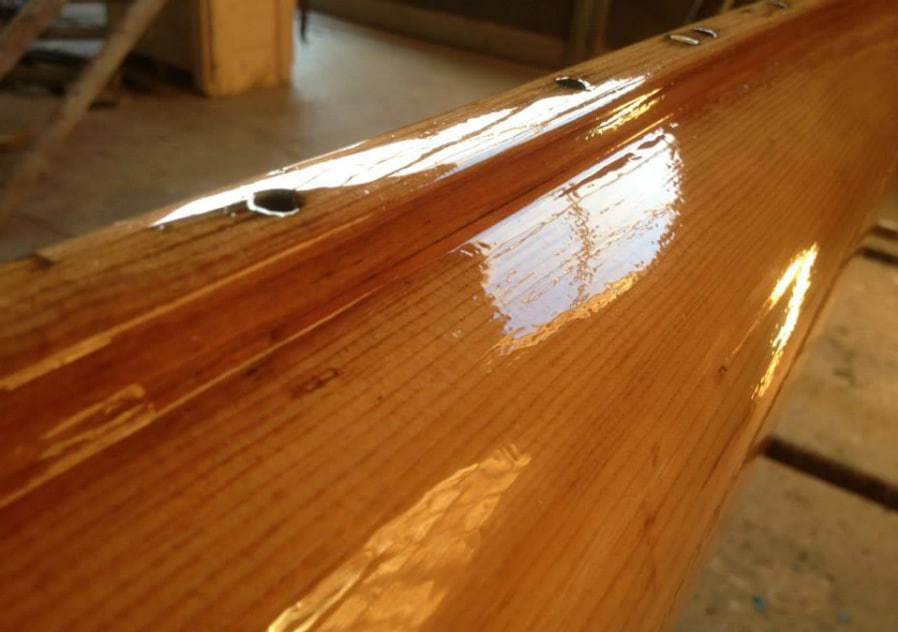
- Use clear layers between coloured ones for added depth and to simulate the glossy finish typical of polished wood.
- Carefully remove bubbles after each pour with a heat gun or torch for a flawless, professional look.
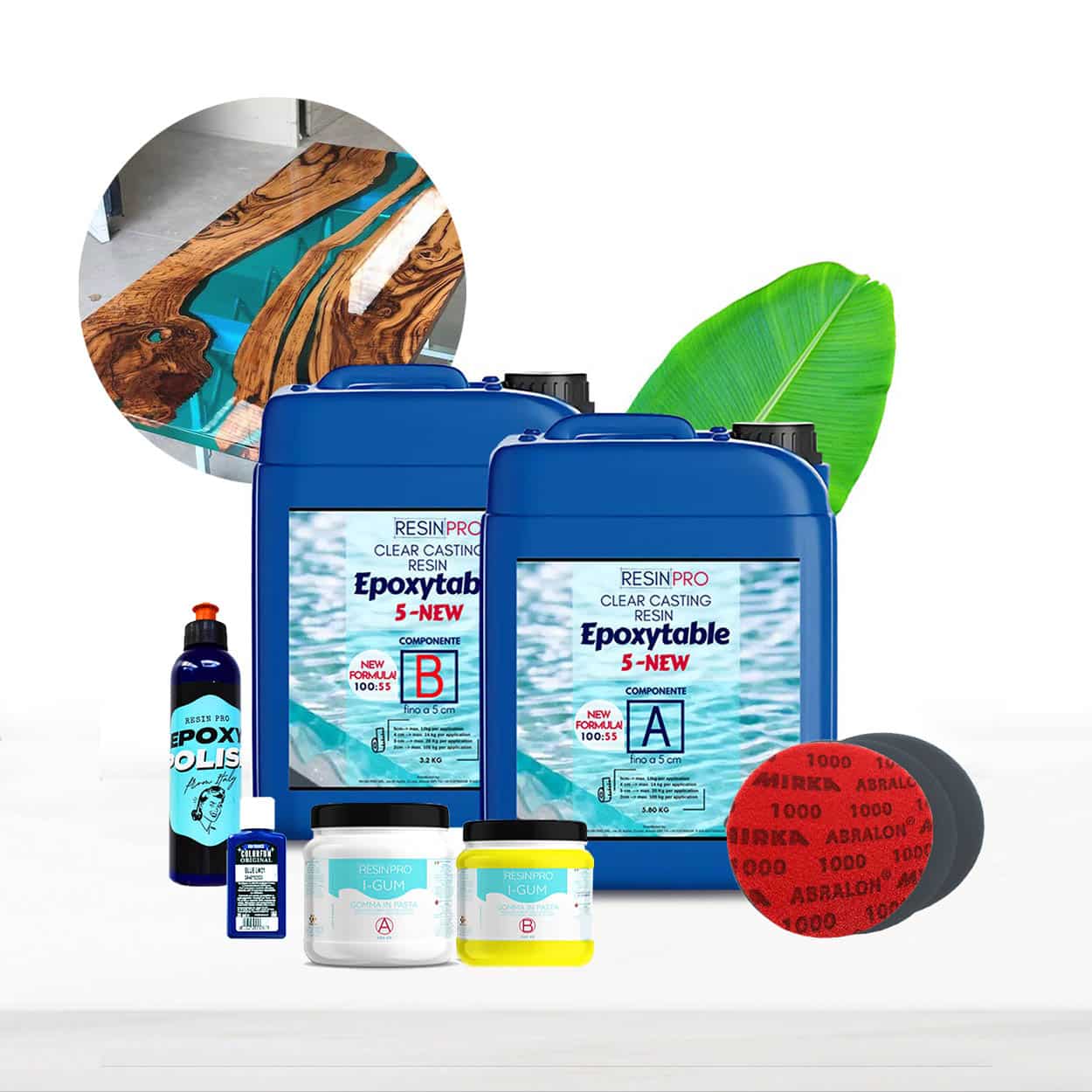
If you are casting thick pieces—up to 10cm—using products like Epoxytable 10-Ten Deep Pour Epoxy ensures a consistent cure and clear finish, ideal for large resin tables or river projects.
When Layering is Especially Important
Layering is essential when working on large-scale tables, art installations, or projects using deep-pour resin. It’s equally vital for pieces where you want to control the direction and richness of colour—such as imitating knots or unique wood grains using custom pigments.

Related products
Related guides
Mastering the art of layering gives you precise control over both colour and dimension—an essential skill for achieving a natural-looking epoxy wood effect. For more guidance, see our full guide on how to create a wood effect with epoxy resin.