 Free shipping on orders over £29,85
  Shipping Tracking!


 Google
 Facebook
← Back to How to create a water effect with epoxy resin?
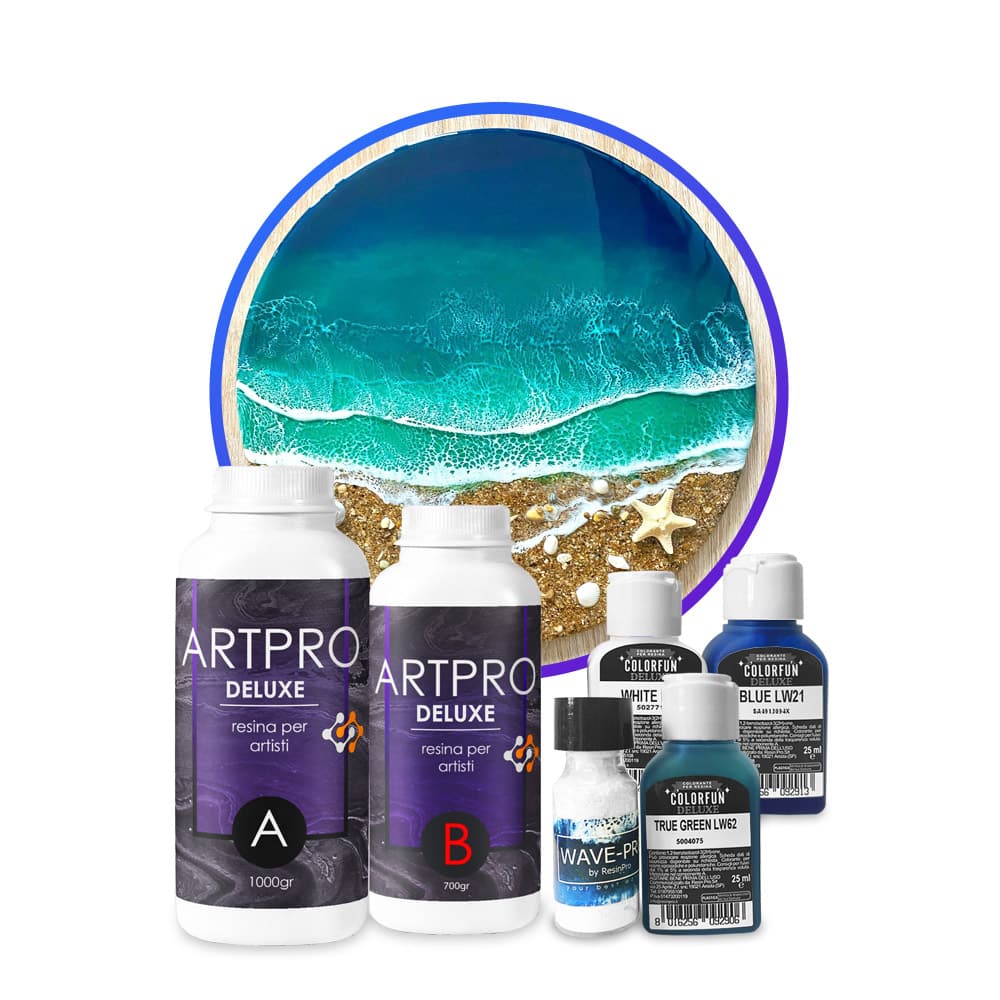

If you’re new to resin art, creating water effects might seem daunting, but with a little guidance and the right materials, even absolute beginners can achieve beautifully realistic results.
Getting Started with Resin Water Effects
Water effects in epoxy resin art typically involve achieving waves, transparency, and subtle colour gradients. Beginners benefit hugely from starter kits that provide a clear process and essential ingredients, such as the “Sea” resin kit. Kits often include thick resin, marine-blue pigments, and a special wave additive to mimic foamy surf with minimal guesswork.


Tips for Achieving Impressive Results First Time
- Preparation: Lay out all tools and read through the instructions before starting, as resin working times are limited.
- Mixing: Take care when measuring and thoroughly mixing resin and hardener to avoid sticky results or cloudiness.
- Pigment Selection: Start with ocean-inspired pigments for simple gradients, then layer or add a wave powder for surf effects.
- Application: Pour your resin slowly and use a stick or heat tool to encourage cells, waves, and realistic movement.
When Simplicity Matters
If you’re aiming for quick successes or guided results, choose products that are beginner-friendly and provide step-by-step support. The right kit, combined with basic epoxy resin techniques, helps eliminate frustrations common in more advanced art projects.

Related products
Related guides
Trying resin water effects for the first time can be hugely rewarding when you use the right approach and products. For more comprehensive guidance and advanced tips, explore the main guide on how to create a water effect with epoxy resin.