 Free shipping on orders over £29,85
  Shipping Tracking!


 Google
 Facebook
← Back to How to make a table with wood and coloured resin?
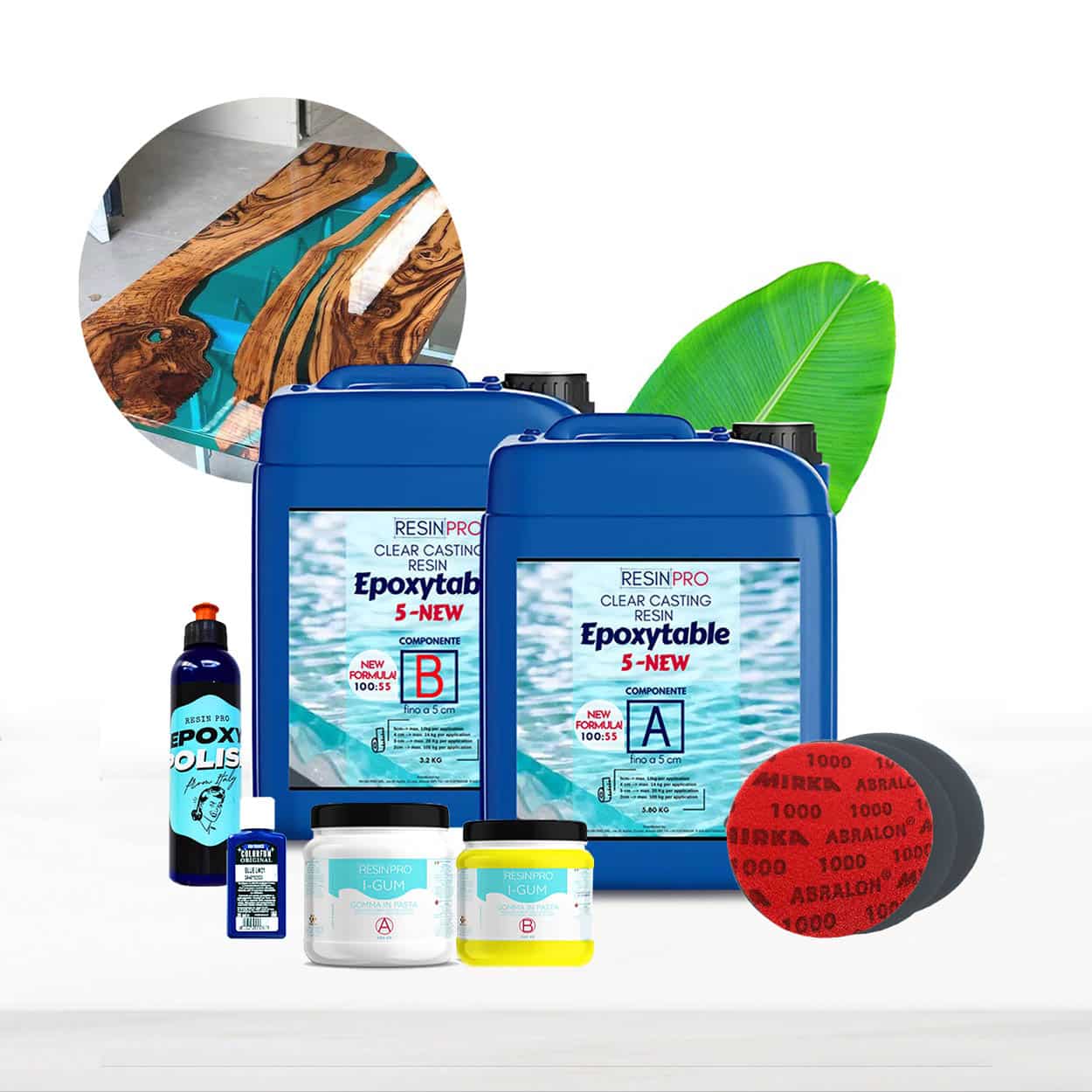
Getting the resin and hardener ratios exactly right is a vital first step when working on wood and coloured resin projects. A careful approach helps prevent curing issues and ensures a smooth, durable finish for your table.
Choosing the Right Ratio
Epoxy resins are usually supplied as two parts: a resin and a hardener. Each brand or kit will specify an exact mixing ratio, commonly by weight or volume—commonly 2:1 or 1:1. Always refer to the manufacturer’s instructions, as incorrect proportions can leave your mix sticky or brittle. For new makers, a complete starter kit such as the “River-Table” kit includes clear guidance, making the measurement process straightforward.
Accurate Measuring and Mixing Techniques
Use digital scales or marked mixing jugs to ensure the correct ratios. Pour both components into a clean container, and mix slowly for several minutes using a flat stirrer. Scrape the sides and base to avoid unmixed spots, as these can lead to soft patches or imperfections. Work in a dust-free environment and avoid rushing—epoxy products often allow ample time for precise mixing.
When This Matters Most
Precision is especially important for large pours and projects where clarity or strength is critical, such as river tables and artistic castings. Small errors in ratio or mixing can cause cloudy resin, sticky layers, or delayed curing in deep casts, so double-check your measurements before pouring.
Related products
Related guides
Proper measuring and mixing of resin and hardener set the stage for a flawless wood and coloured resin table. For more guidance on the whole process, see our main guide on how to make a table with wood and coloured resin.