 Free shipping on orders over £29,85
  Shipping Tracking!


 Google
 Facebook
← Back to How do you make a wall using resin?
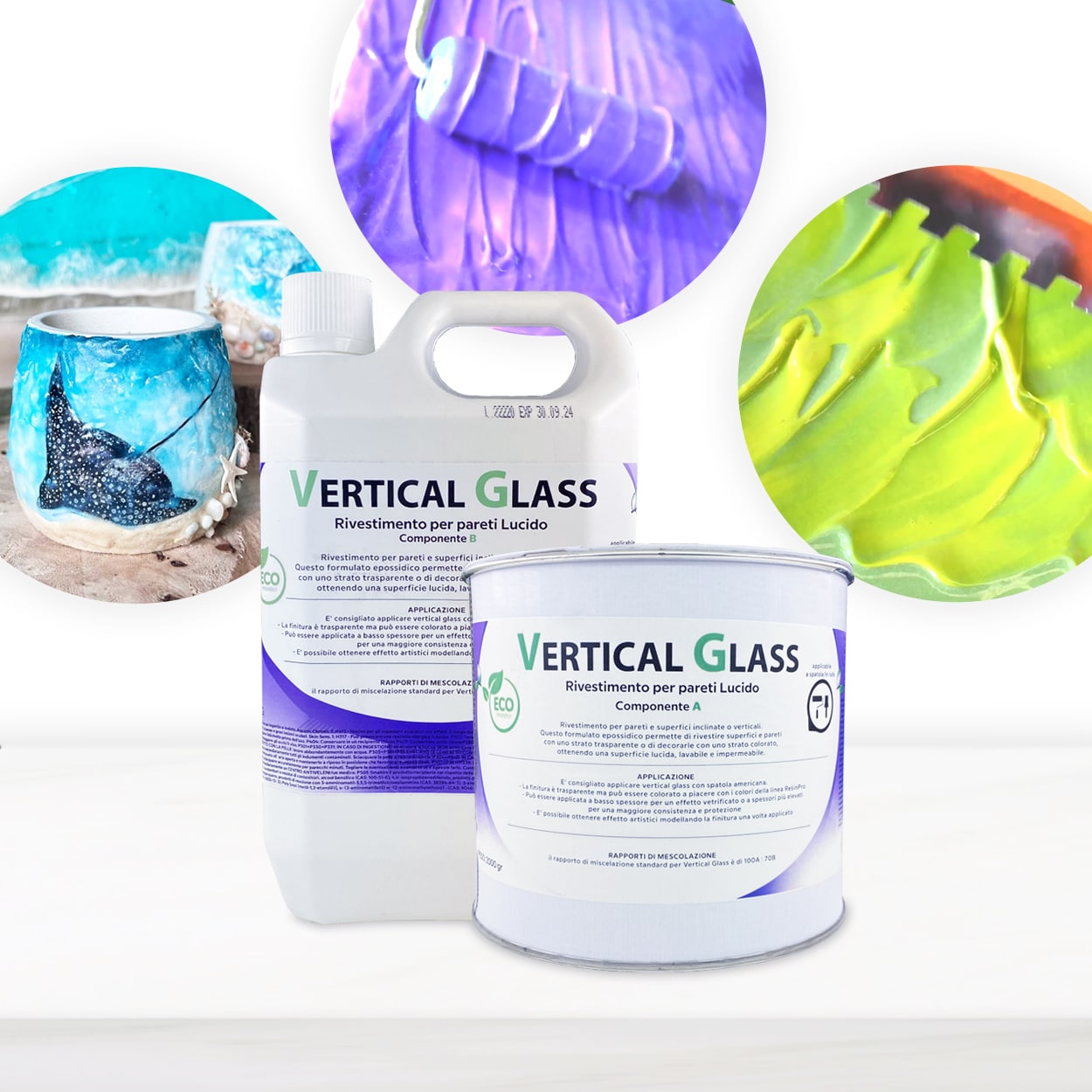
When working with resin on vertical surfaces like walls, curing times between coats play a crucial role in achieving a smooth, durable, and visually striking finish. Patience ensures lasting results and fewer imperfections.
Why Curing Between Coats Matters
Allowing each layer of resin to cure as recommended is essential for both appearance and performance. If you apply another coat before the previous one sets, the new resin may mix or sag, leading to blurred patterns and an uneven surface. Proper curing enhances the strength, clarity, and overall durability of your wall coating.
Recommended Curing Times & Best Practices
Curing times can vary depending on the resin type, application thickness, and environmental conditions. Generally, most epoxy wall coatings, such as the Vertical Glass, require each coat to set for 24–48 hours before recoating. It’s best to consult your product’s instructions for precise timing.
- Work in a well-ventilated space and avoid high humidity.
- Allow the surface to feel tack-free before adding another layer.
- Sanding lightly between coats can help with adhesion if fully cured.
When This Matters Most
Careful curing is particularly important for vertical surfaces, bold patterns, or projects exposed to frequent cleaning or moisture. Rushing can compromise the water resistance and longevity of your resin wall finish.
Related products
Related guides
Taking the time to let your resin cure between coats ensures a high-quality, resilient wall finish that showcases your creative intent. Explore more tips and products for creating resin walls by visiting our main guide on how to make a wall using resin.