 Free shipping on orders over £29,85
  Shipping Tracking!


 Google
 Facebook
← Back to How to Make Resin Earrings
For those with sensitive skin, choosing the right materials for handmade resin earrings is essential. This guide breaks down key safety considerations and offers tips for comfortable, worry-free wear.
Resin Choices and Skin Safety
Modern jewellery resins, such as epoxy or UV-curing acrylics, are generally considered safe to touch once fully cured. It’s important, however, to use only resins intended for direct-contact crafts and verify that the product details explicitly mention skin compatibility. Where possible, allow extra curing time to ensure all chemical reactions have finished before wearing your earrings.
For beginners exploring resin jewellery for the first time, an easy-mix set like the “Evershine Collection” Epoxy Resin Kit offers a clear finish formulated for accessories and small projects.
Why Hypoallergenic Findings Matter
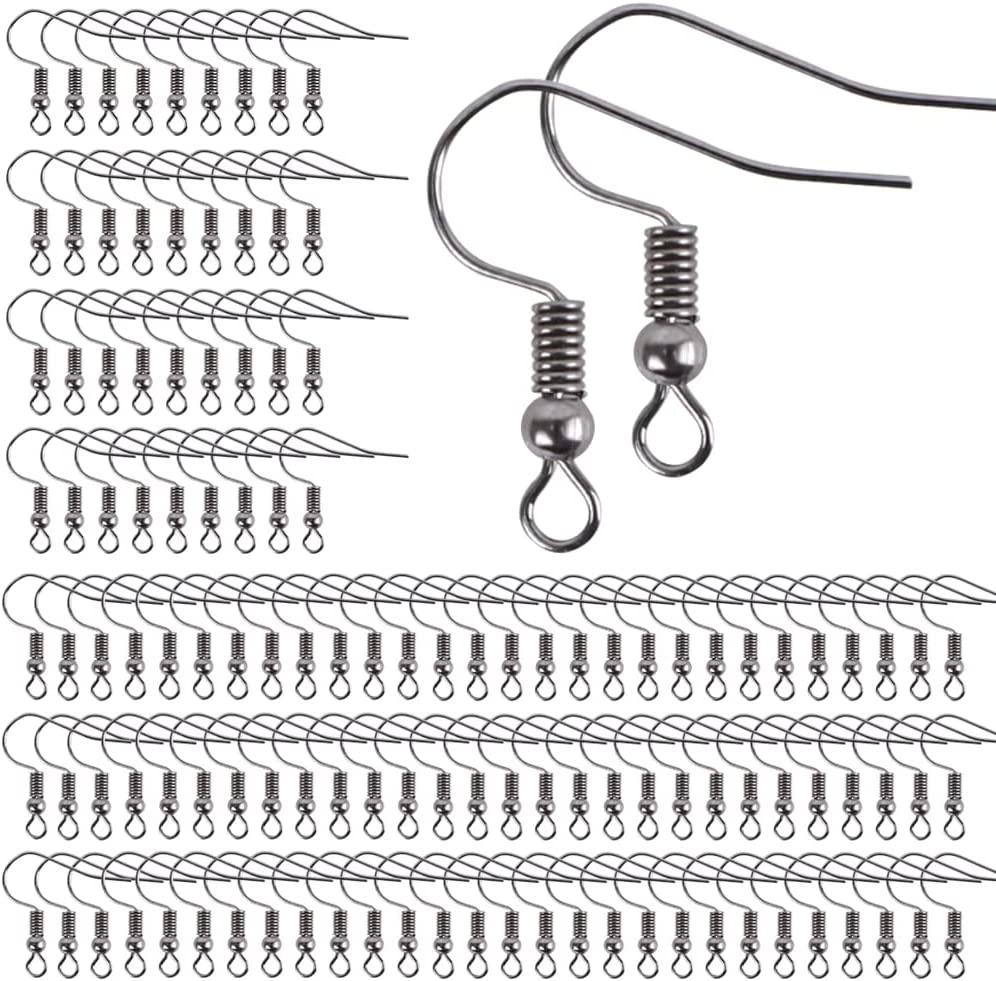
The greatest risk to sensitive skin comes from the metal findings—such as hooks and jump rings—rather than the resin itself. Choose hypoallergenic options like stainless steel that are lead and nickel free for improved comfort. Stainless steel findings are known for long-lasting wear and are less likely to cause irritation, making them an excellent option for DIY earring makers. The Stainless Steel Earring Hooks are specifically designed for those with skin sensitivities.
When This Matters
- If you’ve reacted to certain jewellery metals before, always select findings labelled as suitable for sensitive skin.
- For children’s earrings or anyone with heightened sensitivity, double-check the material specifications of both the resin and the findings before wearing.
Related products
Related guides
Thoughtful choices in both resin and earring findings help ensure homemade earrings remain gentle on sensitive skin. For more creative and safe crafting advice, explore our full Resin Earrings Guide.