 Free shipping on orders over £29,85
  Shipping Tracking!


 Google
 Facebook
← Back to What is silicone rubber used for?
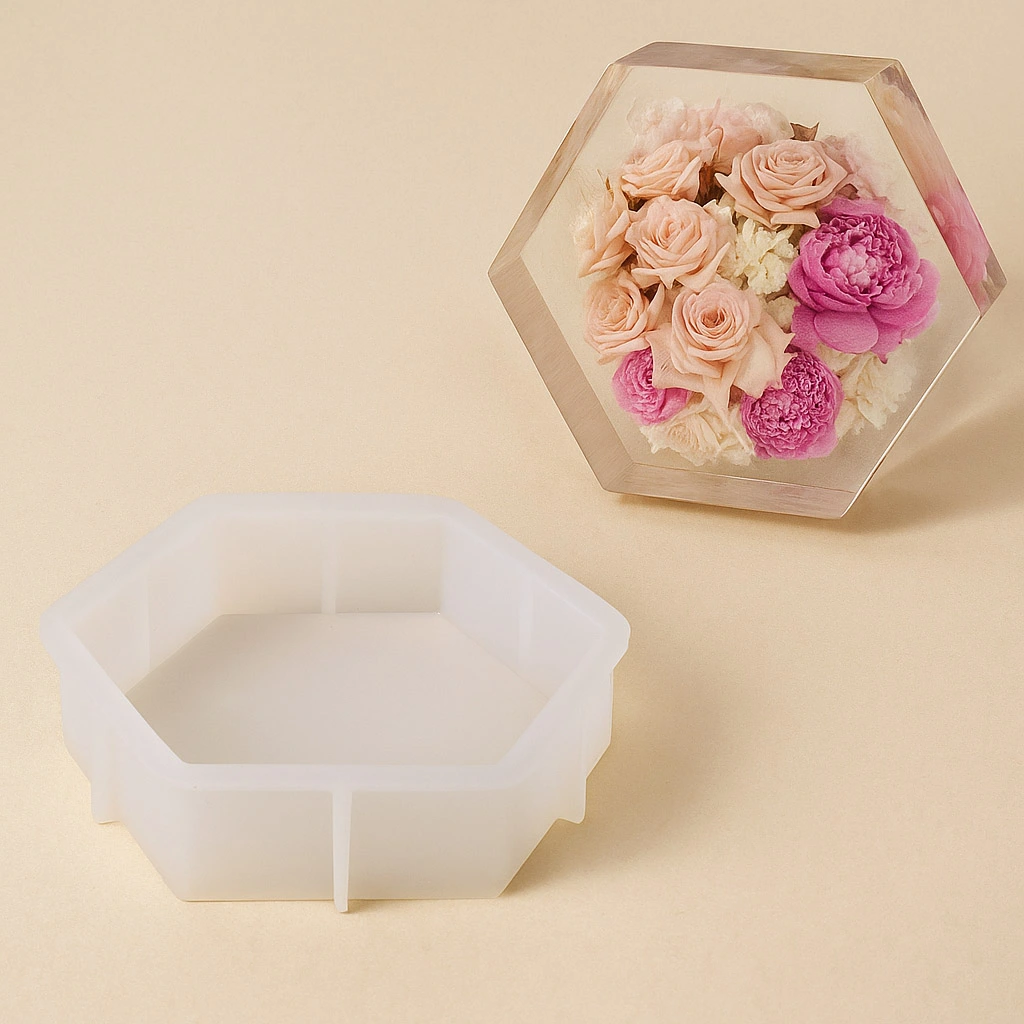
Silicone moulds are a popular choice for creative projects due to their flexibility and resilience. A key benefit is their ability to withstand a broad temperature range, making them suitable for many applications from crafts to baking.
How Heat Resistant Are Silicone Moulds?
Most high-quality silicone moulds are heat resistant from approximately -40°C to +210°C. This wide range means they can be used safely in environments as cold as a freezer or as warm as a standard oven. However, it is important not to exceed these limits to maintain the mould’s integrity and prolong its lifespan.
Practical Uses and Guidance
Thanks to their heat resistance, silicone moulds are ideal for casting resin objects, candle making, baking, and even creating ice shapes. For example, the Silicone Hexagons Mould can be used for making resin coasters and decorative pieces that occasionally require mild heating during curing or finishing. Always allow the mould to cool naturally after heat exposure and clean it with mild soap without harsh solvents to retain its non-stick and flexible qualities.
When Does Heat Resistance Matter?
Heat resistance comes into play when your process involves curing materials that generate warmth, such as epoxy resins, or when pouring hot materials like wax or melted chocolate. Using a mould that cannot withstand the required temperatures can result in warping or premature wear, so silicone’s reliable range is a practical advantage for repeat use in many creative and craft settings.
Related products
Related guides
Understanding the safe temperature limits of silicone moulds ensures you choose the right tools for resin, crafting, or baking projects. Explore more ways silicone rubber is used for creative applications on our main guide.