 Free shipping on orders over £29,85
  Shipping Tracking!


 Google
 Facebook
← Back to How to remove resin from marble flooring?


Marble flooring is prized for its elegance and durability, but proper cleaning is vital to avoid surface damage. Understanding which products and techniques to avoid ensures your marble retains its natural sheen and longevity.
Why Abrasives and Acids Can Harm Marble
Marble is a relatively soft and porous natural stone. Using abrasive cleaners or scrubbing pads can create scratches, leaving dull patches on the surface. Acidic substances—such as vinegar, lemon juice, or acid-based cleaners—react chemically with marble, resulting in etching or permanent surface damage. Even small amounts of these substances can leave marks that are difficult, or sometimes impossible, to remove.

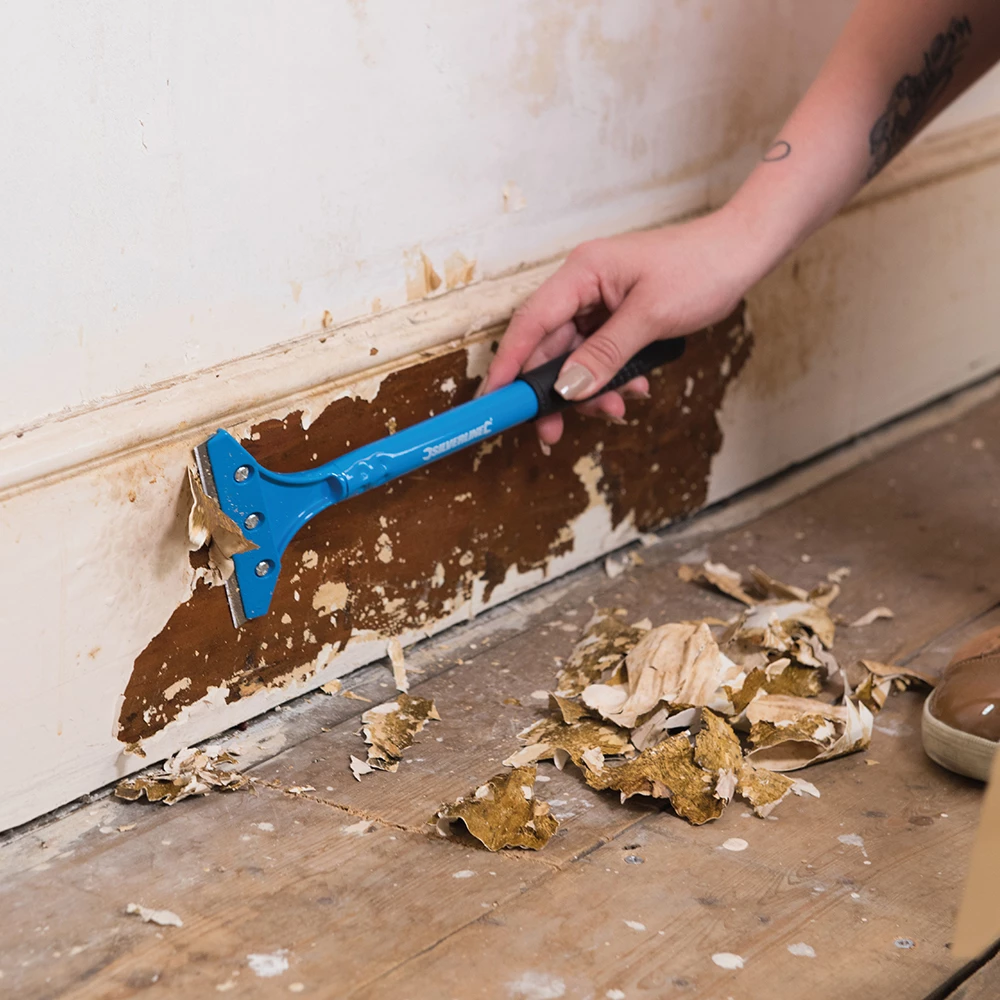
Gentle Alternatives for Cleaning Marble
To care for your marble flooring, choose pH-neutral or specifically formulated cleaners. A soft microfibre cloth paired with a gentle cleaning solution, such as the Strong Technical Degreaser for Resin Projects – 100% Natural Formula, helps tackle everyday grime and resin residues without risking the surface. Always check suitability on a small, inconspicuous area first.
- Wipe up spills promptly to minimise staining.
- Avoid excess water—damp, not soaking, is best.
- Never use rough pads, steel wool, or harsh chemicals.
When This Matters Most
The risks of abrasives and acids are particularly high after projects involving resin or paint near marble flooring. Even if attempting to remove tough residues, resist the urge to use aggressive chemicals or scouring tools that could worsen the problem. Instead, reach for mild solutions or consult a specialist if needed.
Related products
Related guides
Preserving the beauty and strength of marble flooring depends on using the right cleaning approach. For more in-depth advice on maintaining delicate surfaces, visit our main guide on how to remove resin from marble flooring.