 Free shipping on orders over £29,85
  Shipping Tracking!


 Google
 Facebook
← Back to How is Venetian resin?

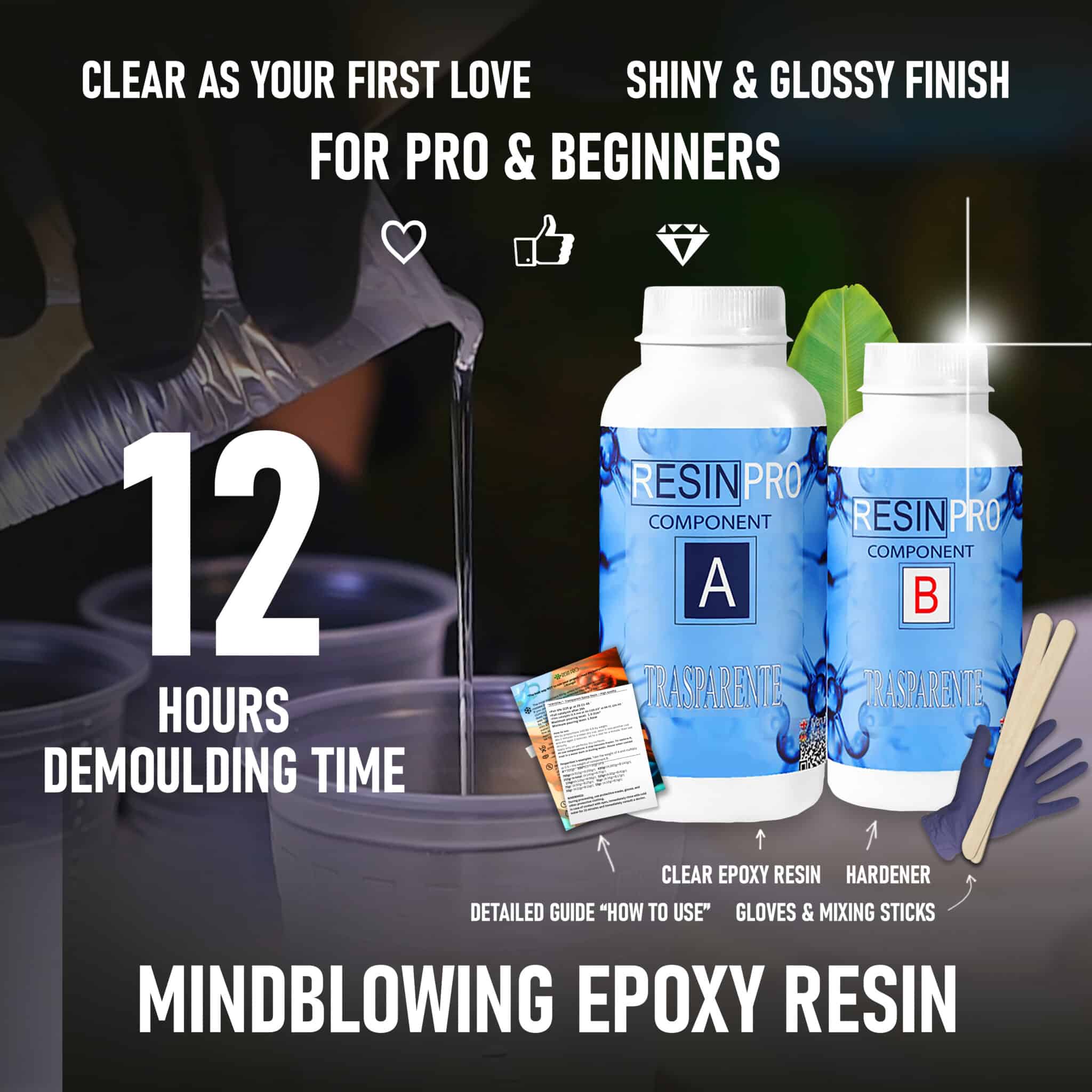
Overheating is a common challenge when working with “Trasparente” resin. Proper pour techniques can help you avoid unwanted heat build-up, which can affect the finish and durability of your project.
Limit Layer Thickness for Safer Casts
The primary cause of overheating with “Trasparente” resin is pouring layers that are too deep in one go. Always pour in layers no thicker than 2 cm. This approach gives the resin time to cure evenly and reduces the risk of excessive heat disrupting your piece. For larger projects, simply allow each layer to cure before pouring the next.

Control Environmental and External Heat Sources
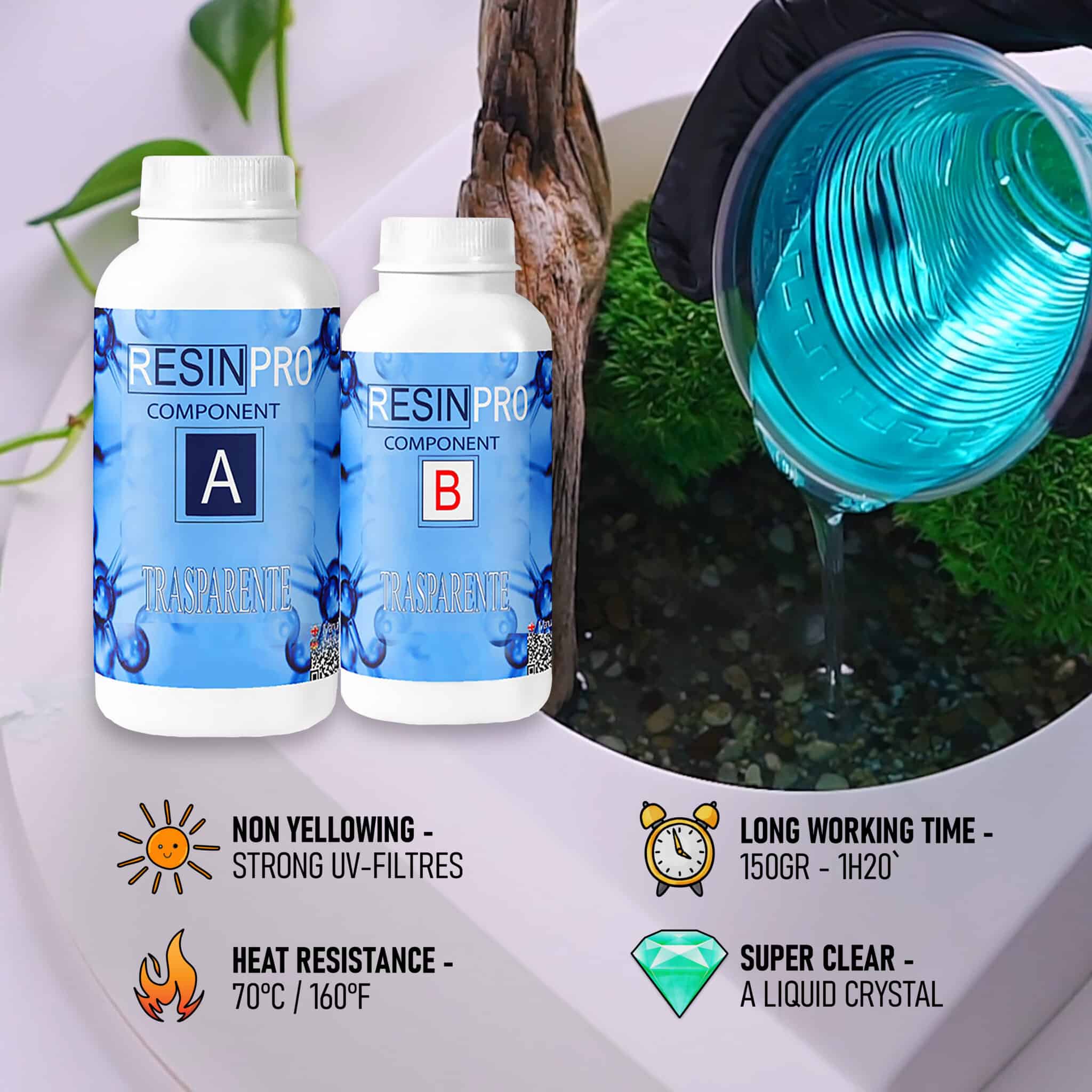
Ambient temperature and tools used during curing can also contribute to overheating. Keep your workspace at a moderate temperature and avoid placing the resin in direct sunlight, near radiators, or other sources of warmth. Likewise, limit the use of heat guns, hot water baths, or intense lamps while curing, as these can easily push the resin beyond safe temperature limits.
Choosing the Right Resin for Your Project
For detailed casts and applications under 2 cm thick, such as jewellery or art pieces, “Trasparente” – Multipurpose Clear Epoxy Resin for Casting is ideal. It’s formulated for clarity and self-levelling, making it a reliable choice when following recommended pour depths. For deeper pours, consider using a specialised deep-pour epoxy resin to further minimise exothermic risk.

When This Matters
Avoiding overheating is especially crucial for clear castings and pieces where aesthetics matter. Excessive heat can cause yellowing, cracking, or distortion—issues that are best prevented by practising careful layer control and heat avoidance.
Related products
Related guides
Following these simple guidelines will help you achieve stunning, transparent results with your pours. To explore more about Venetian resin techniques and get expert product advice, visit our main Venetian resin guide.