 Free shipping on orders over £29,85
  Shipping Tracking!


 Google
 Facebook
← Back to How to make resin to coat canvas?
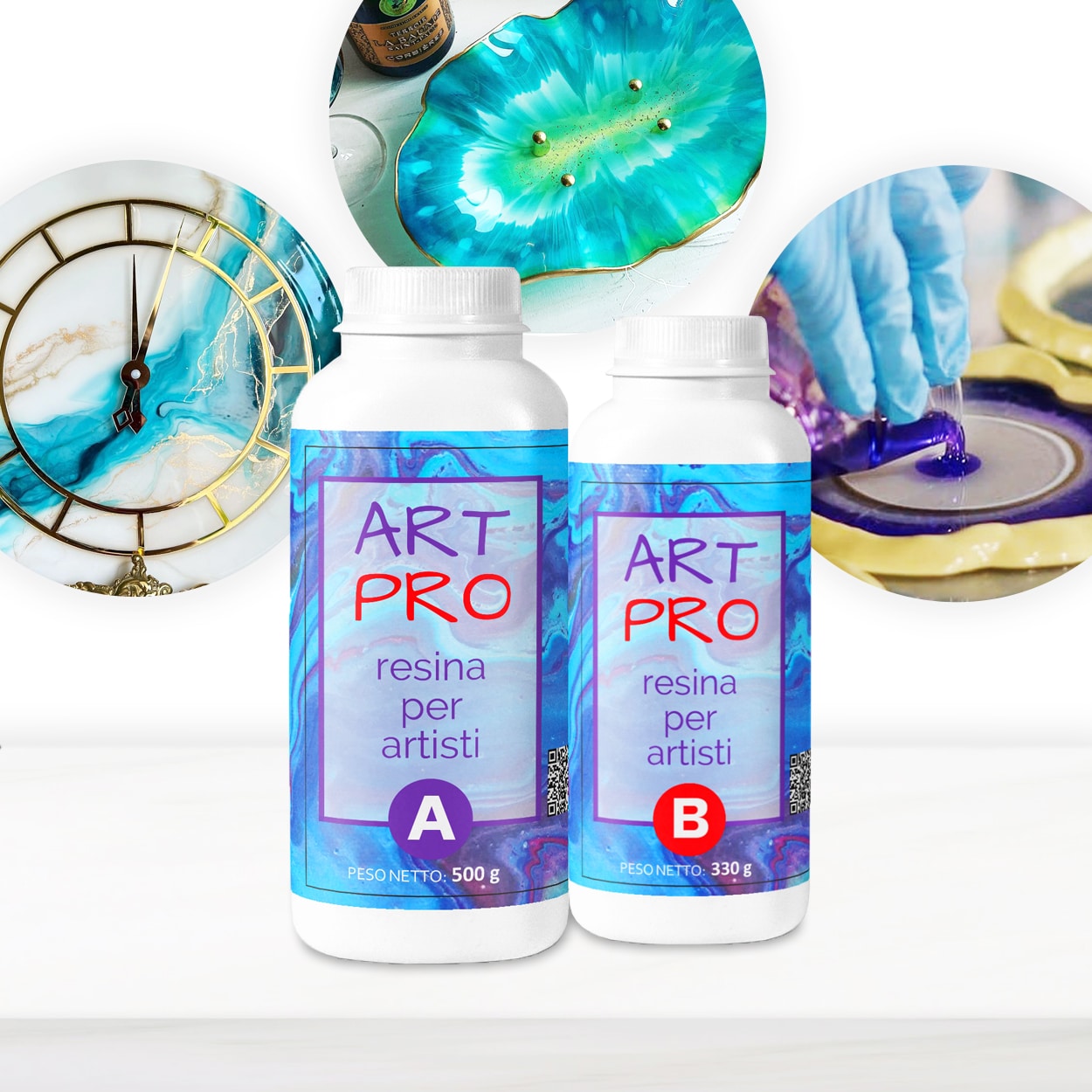
Mixing resin for canvas coating requires care—improper blending can lead to a cloudy appearance or sticky results, spoiling your artwork. Mastering your mixing technique ensures a flawless, glass-like finish every time.
Why Mixing Matters for Canvas Resin Art
When working with two-part epoxy resins like Art Pro, the resin and hardener must be blended thoroughly to trigger proper curing. Overmixing can introduce excess air, leading to bubbles and a cloudy finish. Under-mixing may result in areas that stay tacky or don’t set, ruining both the appearance and durability of your canvas.
Step-by-Step: Mixing Resin for Best Results
- Accurate measuring: Carefully measure both resin and hardener as per your product’s ratio (for example, 3:2 for Art Pro or Raphael Kit).
- Consistent mixing: Stir with a spatula or stick, ensuring you scrape the sides and bottom of your mixing cup. Mix slowly and steadily for 2–3 minutes until no streaks remain.
- Avoid vigorous stirring: Gentle, steady mixing helps minimise air bubbles and prevents excess frothiness.
- Let bubbles rise: Once mixed, let your resin blend rest briefly so air bubbles can reach the surface before pouring.
When This Matters Most
Perfect mixing is essential whenever you want a flawless, glossy coating on canvas—especially for clear pours, pigmented effects, or when working on larger surfaces. Taking time at this stage protects your art from dull patches, sticky spots, or trapped bubbles.
Related products
Related guides
Mixing resin confidently is crucial for successful canvas coatings and is a key part of the resin art process. Explore more expert tips and find the right products for your next masterpiece at our canvas resin guide.