 Free shipping on orders over £29,85
  Shipping Tracking!


 Google
 Facebook
← Back to How to make resin figurines?
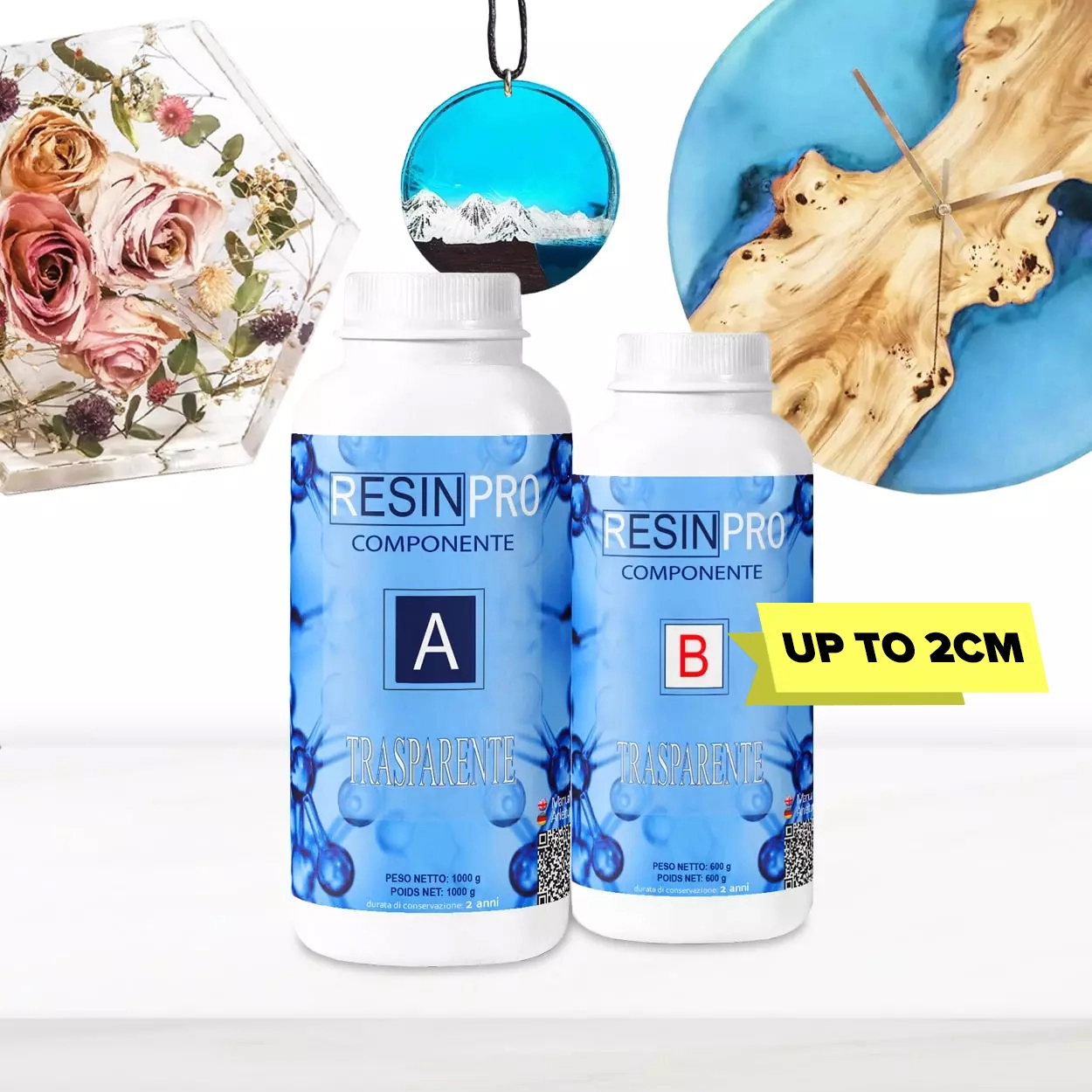
Pouring resin successfully for figurines depends on controlling the thickness of each layer. Thick resin pours can lead to problems, but with the right approach, you can achieve detailed, bubble-free results.
Why Thick Resin Pours Cause Problems
Pouring resin in layers that are too thick can cause excess heat to build up, especially with epoxy formulations. This heat, known as the mass effect, may result in yellowing, warping, cracking or unwanted chemical reactions. Resin that cures too quickly due to overheating may also trap bubbles, spoiling the clarity and fine detail in your finished figurine.
Recommended Pour Thickness and Pouring Techniques
For most clear epoxy resins like “Trasparente”, it’s best to pour layers no thicker than 2cm. Allow each layer to cure before adding the next to maintain clarity and prevent overheating. Resist the urge to use heat guns or lamps to speed things up, as artificial heat can worsen thermal reactions. Always follow the manufacturer’s guidelines for your resin system and work in a well-ventilated area at the recommended temperature.
When This Matters Most
- When casting small, highly detailed figurines or jewellery
- When using transparent or tinted resins, where clarity and bubble prevention are essential
- In thicker castings, where exceeding the recommended pour depth can cause visible defects
Related products
Related guides
By taking care to avoid thick resin pours, you’ll create figurines with better detail and clarity. For more tips and tools for resin figurine making, explore our main how-to guide.