 Free shipping on orders over £29,85
  Shipping Tracking!


 Google
 Facebook
← Back to How do you make putty without silicone?
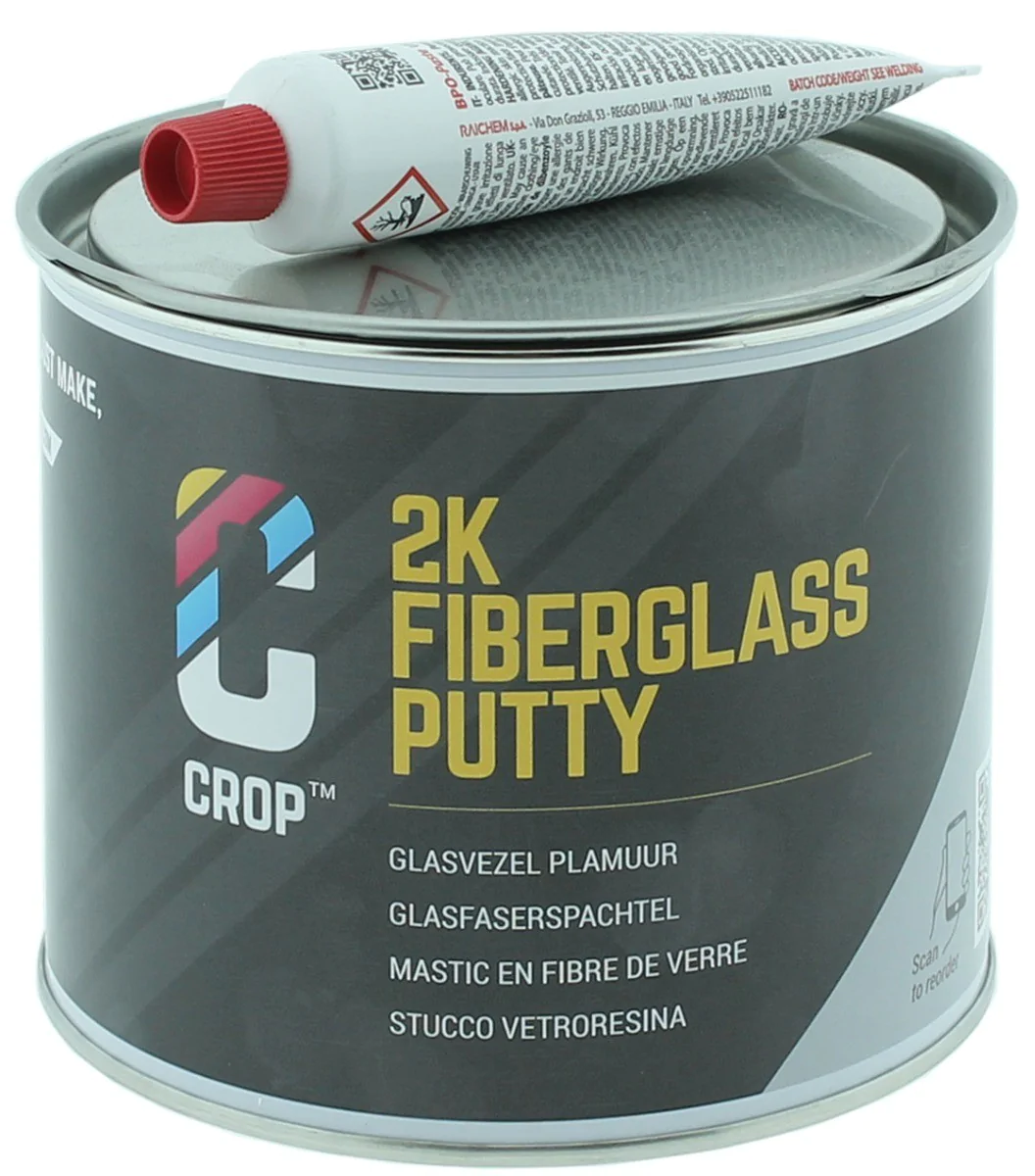
If you’re searching for a repair solution that stands out for strength and resilience, fibreglass-reinforced putty is a popular choice in both automotive and DIY applications. Let’s explore why.
Enhanced Strength and Flexibility
The primary advantage of fibreglass-reinforced putty is its elevated mechanical strength. The integration of fibreglass fibres significantly boosts the material’s resistance to cracking and breaking, especially where movement or vibration is expected. This robustness makes it particularly effective for filling deeper dents and structural imperfections.
Durability in Challenging Conditions
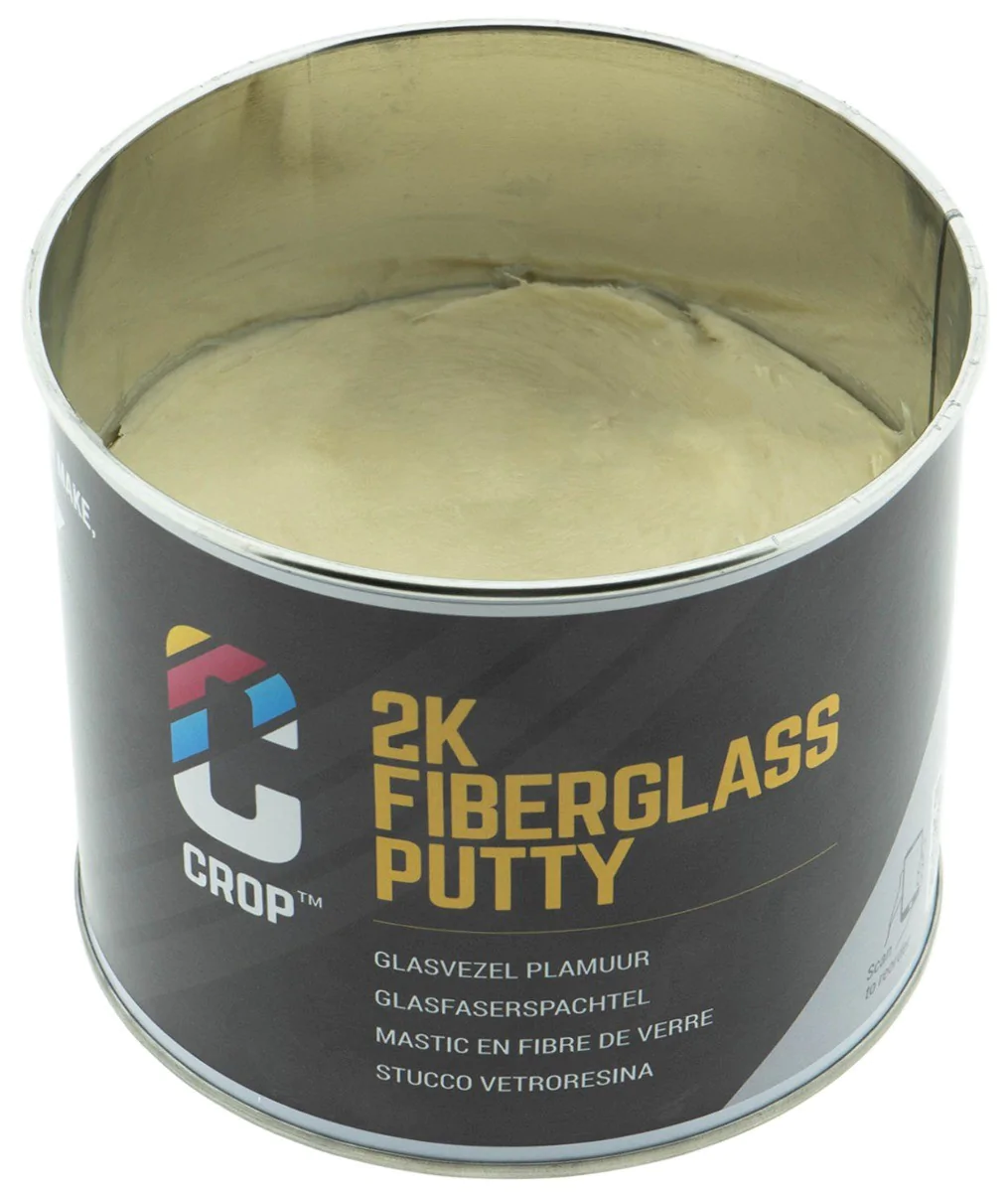
This type of putty is valued for its ability to withstand exposure to moisture, chemicals, and corrosion. Products like CROP 2K Fiberglass Putty are specially formulated to maintain structural integrity even in demanding environments, so they’re well suited to automotive bodywork, outdoor equipment, and repairs exposed to the elements.
Easy Finishing and Versatile Application
Once cured, fibreglass putty can be sanded down to a smooth finish, ready for primers and paints. It adheres well to a variety of surfaces including metal, aluminium, plastics, and pre-painted substrates, making it a versatile option for a wide range of repair projects. Always ensure surfaces are clean and dry before application for best results.
When this matters
Choosing fibreglass-reinforced putty is especially important when you need a repair that will endure movement, repeated stress, or tough exposure—such as automotive panels, bike repairs, or marine restoration.
Related products
Related guides
Opting for fibreglass-reinforced putty gives your repairs a solid foundation with lasting durability, making it an ideal alternative to silicone-based or standard fillers. For more insights on creating putty blends without silicone, explore the main guide on the topic.