 Free shipping on orders over £29,85
  Shipping Tracking!


 Google
 Facebook
← Back to How to Make Resin Miniatures
Choosing the right mould is crucial when crafting resin miniatures. The type of mould you use shapes your final piece’s detail, finish, and ease of removal—especially at a small scale.
Why Silicone Moulds Are Favoured
Silicone moulds are the standard for most miniature work. Their flexible, non-stick surface easily releases even the most intricate pieces, preserving sharp details and tiny textures. With silicone, you can cast repeatedly without damaging the mould, making them ideal for hobbyists and professionals alike.
Buying and Using Moulds for Miniatures
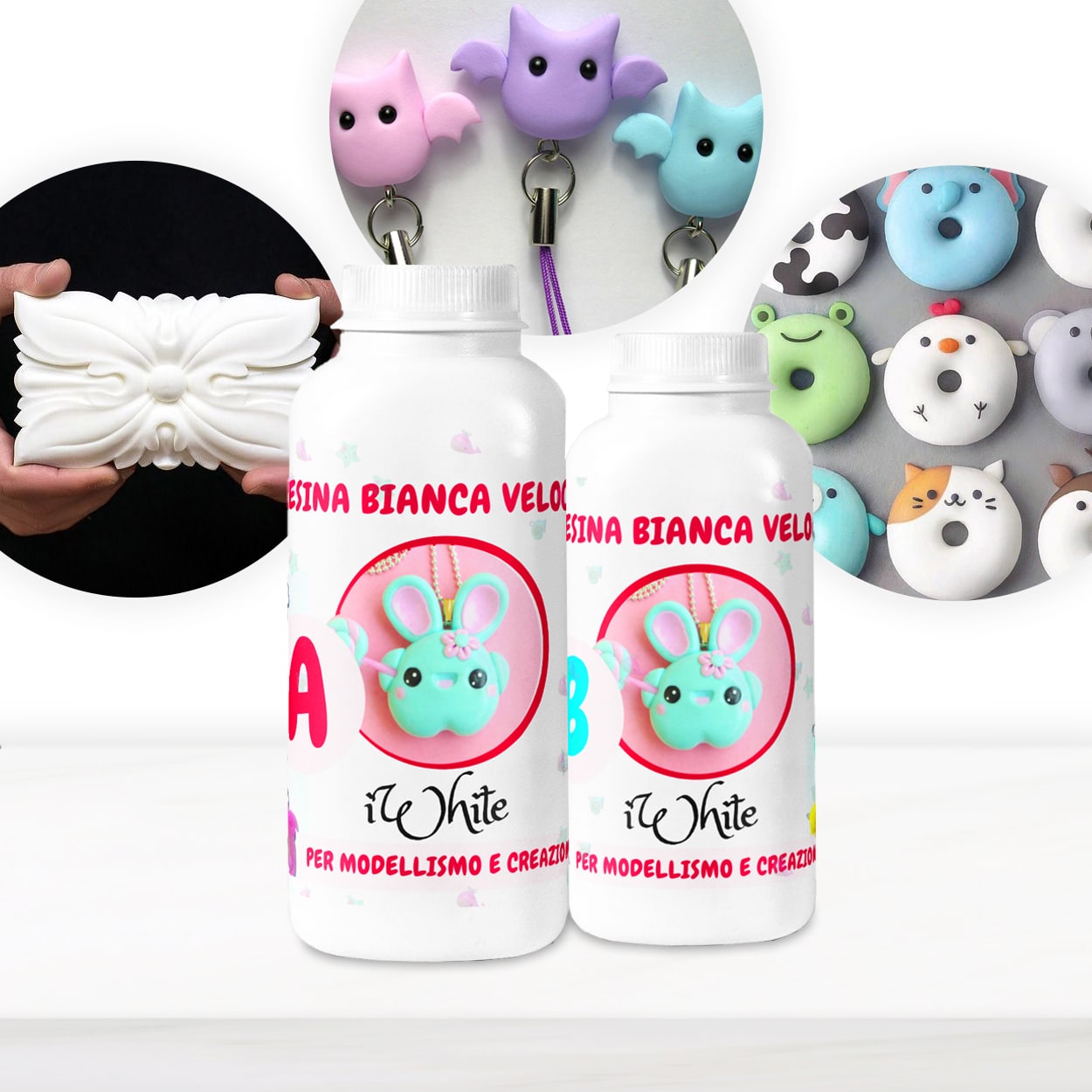
Look for high-quality silicone moulds explicitly designed for miniatures. These usually feature fine, crisp cavities and sturdy walls to prevent distortion. Before buying, check if the mould is compatible with your choice of resin—whether fast-setting polyurethane like IWhite Polyurethane Resin, quick-curing UV resins, or clear epoxy. To maximise mould life, use a gentle release agent when appropriate and avoid sharp tools when demoulding.
When Mould Choice Really Matters
- Ultra-detailed designs or figures with delicate parts absolutely require flexible silicone to achieve precision.
- If you want to reproduce a miniature many times, investing in a durable silicone mould is most cost-effective.
- For one-off or experimental pieces, a simple yet well-made silicone mould still provides the best results and least frustration.
Related products
Related guides
Silicone moulds support reliable, detailed miniature making—whatever resin system you favour. For more in-depth tips and project inspiration, explore our complete guide to making resin miniatures.