 Free shipping on orders over £29,85
  Shipping Tracking!


 Google
 Facebook
← Back to how to make a resin doll
Choosing the right mould is essential for casting resin dolls, as it determines how much detail and ease of use you’ll experience throughout the doll-making process.
Why Silicone Moulds Are Ideal
High-quality silicone moulds are the go-to choice for resin doll casting. Silicone is flexible and non-stick, allowing you to easily remove detailed doll parts without tearing or breaking them. Its pliable nature means it holds fine details exceptionally well, giving your finished dolls crisp facial features and delicate fingers. If you’re planning to re-use the same mould for multiple castings, silicone’s durability is also a major benefit.
Selecting the Right Mould for Your Project
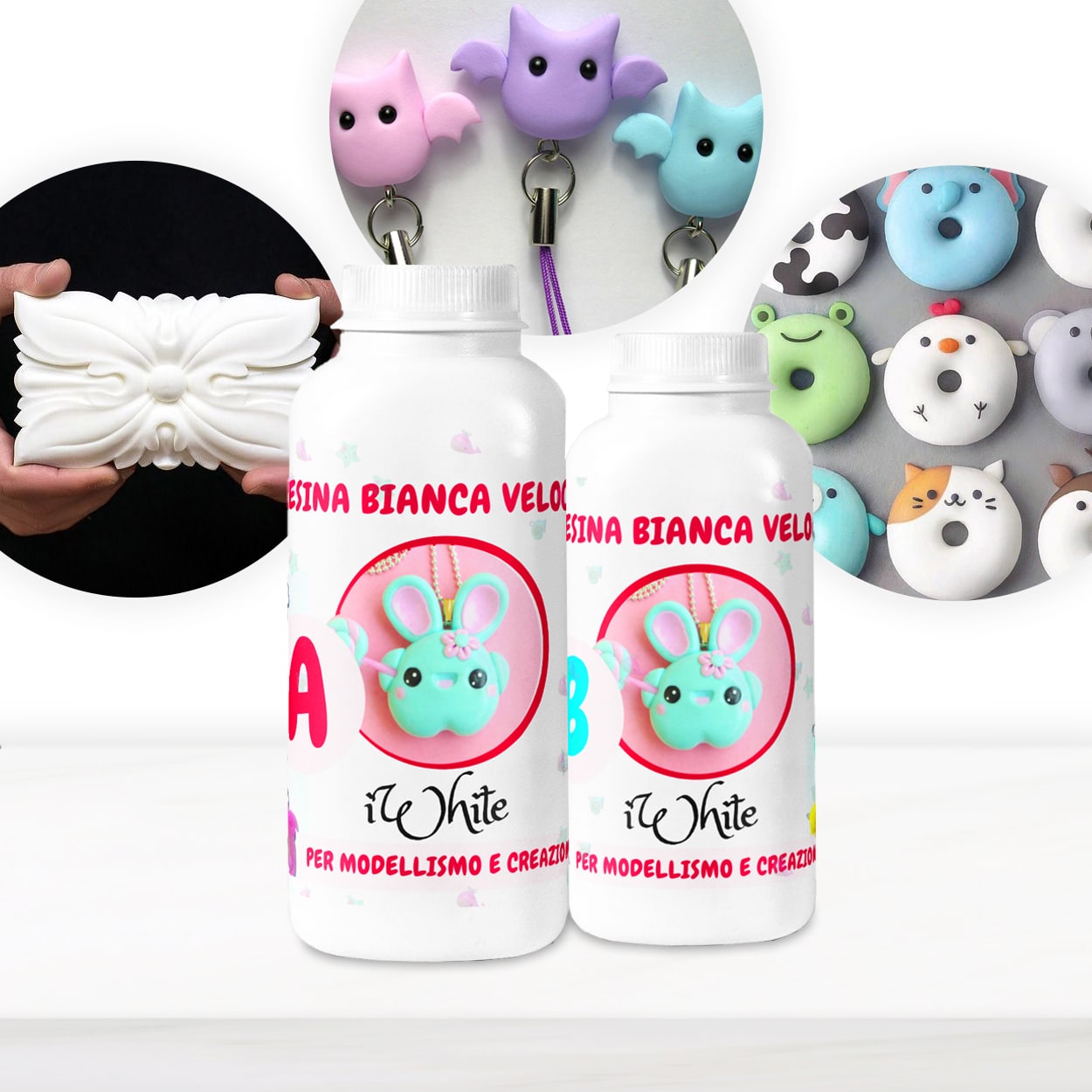
Look for moulds made from platinum-cured silicone, as these generally offer greater resilience and shape retention over time. Opt for moulds that are specifically designed for resin casting, since they are more likely to have the right balance of rigidity and flexibility. If you’re working with highly fluid resins such as IWhite Polyurethane Casting Resin, a well-made silicone mould will capture minute details and allow clean removal even from complex forms.
- Check cavity size and depth to match your intended doll dimensions.
- Consider single-piece vs two-part moulds: two-part designs are ideal for casting 3D figures in one pour.
- A smooth inner surface is critical for a glass-like resin finish.
When This Matters
The importance of your mould choice becomes clear when working on intricate, small-scale dolls, prototyping, or when repeated casting is needed. Poor-quality moulds may miss key details or make removal a challenge, leading to time-consuming rework or wasted material.
Related products
Related guides
Selecting top-quality silicone moulds is fundamental to casting striking resin dolls. For more advice and inspiration, return to our How To Make a Resin Doll hub for step-by-step techniques and product recommendations.