 Free shipping on orders over £29,85
  Shipping Tracking!


 Google
 Facebook
← Back to Can I change the A + B mixing ratio?
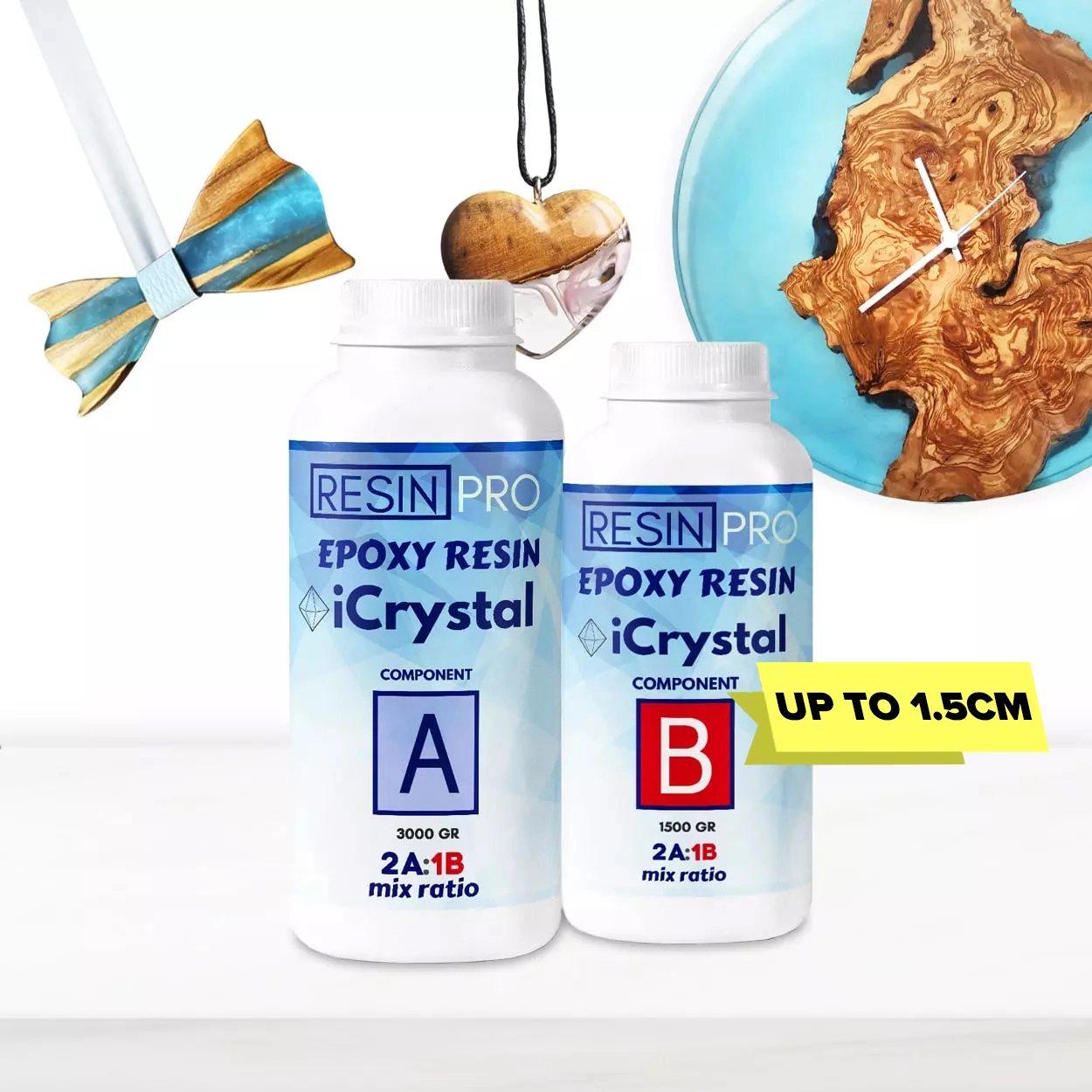
When casting jewellery or other small resin items, getting the right resin to hardener ratio is vital for both clarity and a reliable cure. Let’s explore the best practice for mixing ratios and why accuracy is so important for miniature and detailed creations.
Why Precise Mixing Ratios Matter
Jewellery and small castings require resins that cure crystal clear and hard. The secret to a flawless finish lies in following the exact ratios specified by the manufacturer. An incorrect mix—even slightly off—can result in soft, sticky, or cloudy pieces, especially in thin, intricate moulds. Resins like Icrystal are formulated for use in layers up to 1.5 cm with a strict 2:1 resin-to-hardener ratio, ensuring the right chemical reaction for transparent results.
Recommended Resins and Ratios
- Icrystal: Best for jewellery, pendants, and small items, with a 2:1 mixing ratio (Resin A : Hardener B) by volume. This resin is easy to use, odourless, and offers a brilliant, glass-like finish.
- Trasparente: Suitable for slightly larger or bulkier castings up to 2 cm thick. Use the recommended 100:60 weight ratio. This multipurpose formula provides superb clarity and scratch resistance.
Always refer to the packaging or product guide before mixing. Measuring by weight is best for accuracy unless otherwise instructed.
When This Matters Most
Getting mixing ratios right is especially crucial for fine details, small volumes, or open bezels, where excess or insufficient hardener quickly ruins a project. If you’re new to resin work or need extra working time for positioning elements, choose a resin with a straightforward ratio and longer open time such as those mentioned above.
Related products
Related guides
For consistently high-quality jewellery and delicate castings, remember to select a resin designed for small layers and measure your components accurately. To explore more about proper mixing and related tips, see our main guide on changing resin mixing ratios.