 Free shipping on orders over £29,85
  Shipping Tracking!


 Google
 Facebook
← Back to How to create sea foam effects with epoxy resin?
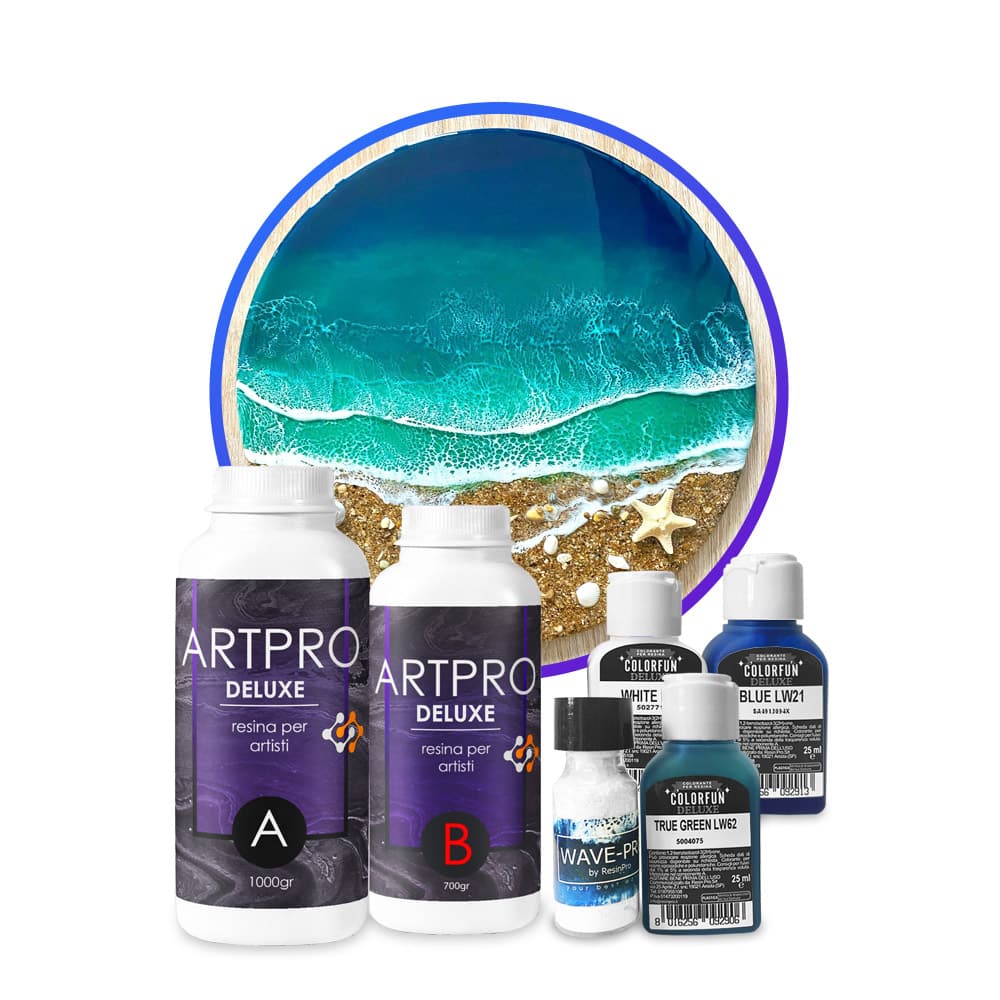
If you’re looking to recreate the delicate beauty of sea foam in your resin art, choosing the right epoxy resin is fundamental. The viscosity and formulation of your resin can dramatically influence the final effect, ensuring those foamy, lacy details stay crisp and visually stunning.
Choosing the Optimal Resin Viscosity
For successful sea foam and wave effects, opt for a medium or high viscosity epoxy resin. Thicker resins give greater control over layering, allowing cell patterns to remain well-defined without spreading out too much. For example, kits featuring thick epoxy, such as the “Sea” kit, are specifically designed to give your waves that three-dimensional, foamy look.
Enhancing Effects with Specialist Additives
A quality resin is just the starting point—specialist additives make a real difference in achieving authentic sea foam. Products like the Wave-Pro pigment additive disperse wet resin, creating natural wave and cell effects without the need for heat tools. When paired with epoxy-safe dyes such as those in the Marine Palette, you can achieve lifelike transitions from deep ocean blues to frothy crests.
When This Matters Most
Selecting the appropriate resin and additives is essential when your artwork relies on precise, detailed wave and foam effects—especially for ocean-inspired coasters, trays, or wall panels. If you want lasting, sharp cell patterns, avoid thin or low-viscosity formulas which may lead to blending or flatness in the design.
Related products
Related guides
The right combination of thick epoxy resin and compatible additives is key to mastering striking sea foam effects in ocean art. For more detailed guidance and examples, browse our main guide on sea foam resin techniques.