 Free shipping on orders over £29,85
  Shipping Tracking!


 Google
 Facebook
← Back to How do you apply a vitrifying resin to a painting?

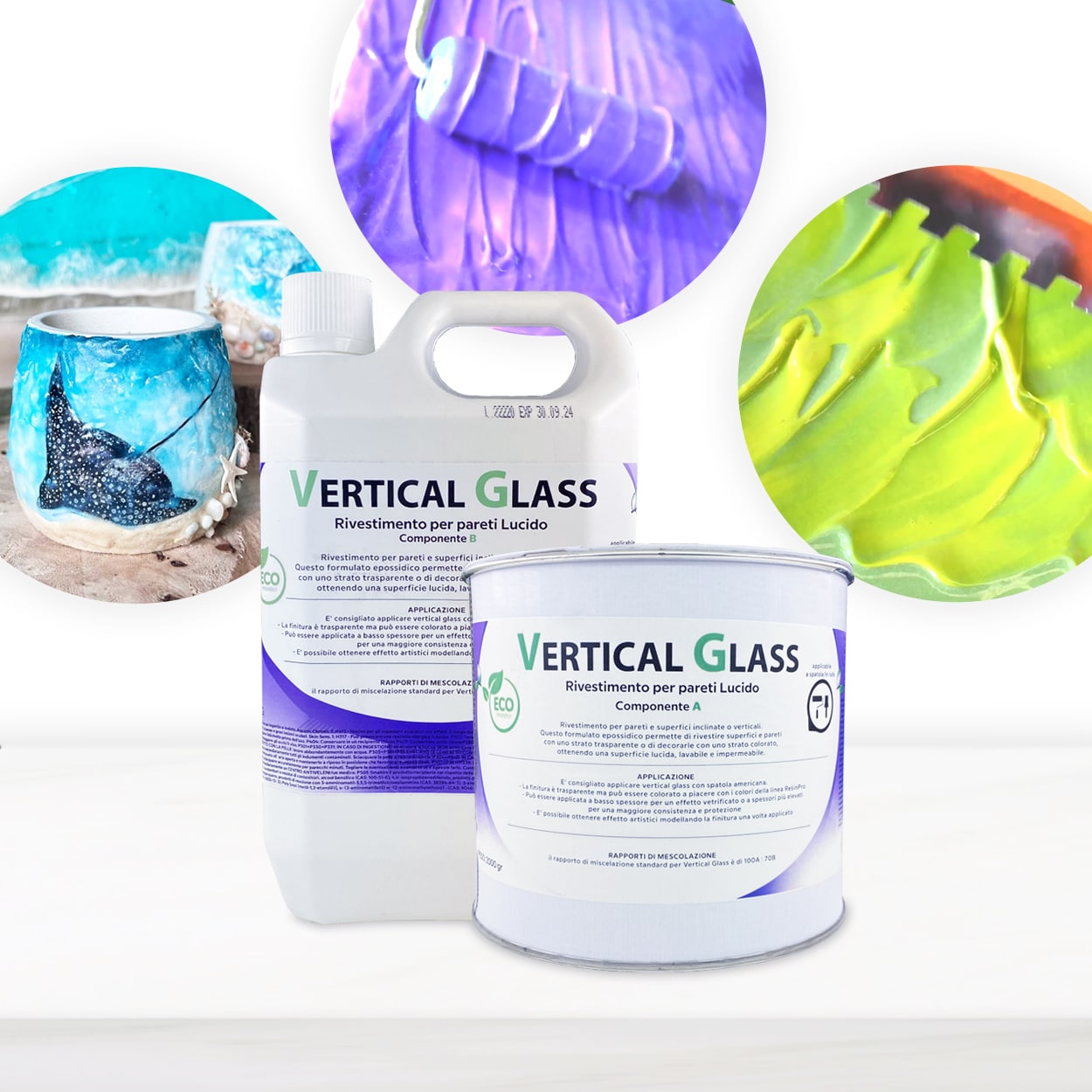
When aiming for a professional, vitrified effect on your paintings, getting the resin layer just right is key. The right thickness not only enhances gloss but also safeguards your artwork.
Recommended Resin Layer Thickness
For most paintings, applying a resin coat of 1.5 to 2 mm is ideal. This range is thick enough to provide solid protection and a glass-like finish, yet thin enough to avoid excessive weight and reduce the risk of resin running off the edges. Selecting a resin such as Art Pro – Clear Epoxy Resin for Artists and Surface Coating makes achieving this controlled depth easier, especially on flat or gently contoured surfaces.
Tips for Achieving Even Coverage
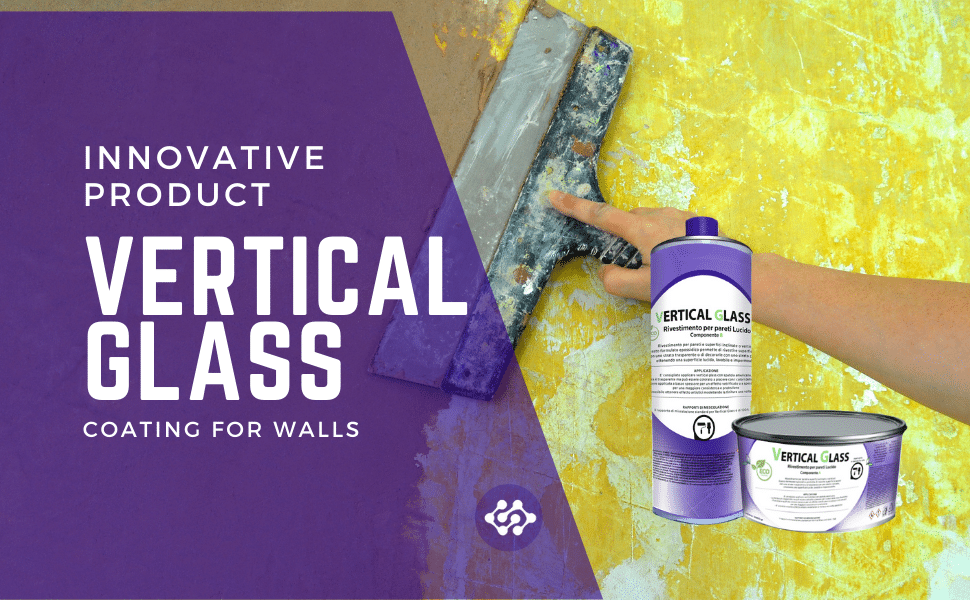
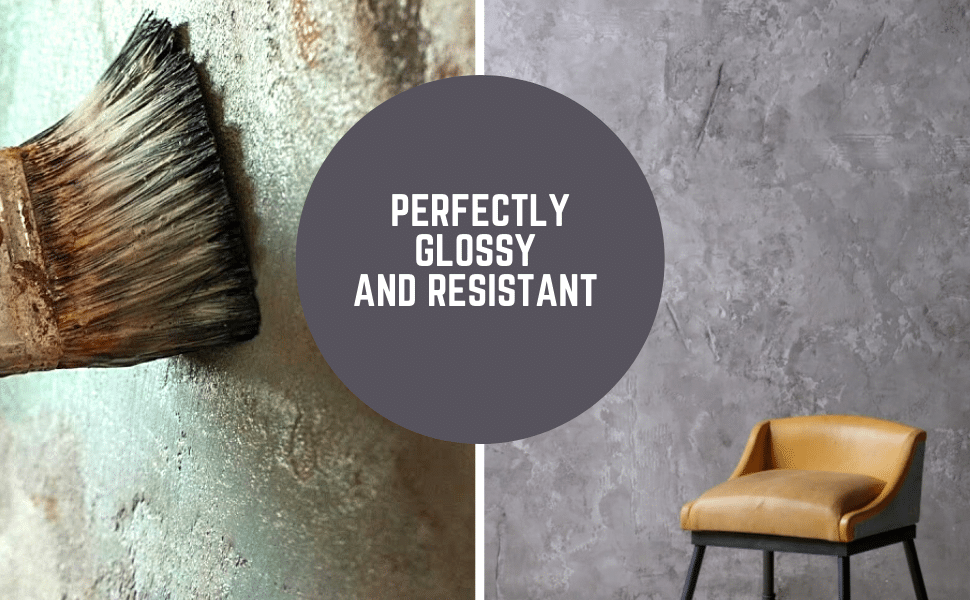
To obtain an even 1.5–2 mm resin layer, start by preparing your painting on a levelled surface and using tools designed for resin application. Short-pile or sponge rollers can help distribute resin uniformly and avoid pooling. Pour the resin slowly, starting from the centre and spreading outward, letting any bubbles rise before popping them gently with a torch or heat gun.
When Resin Thickness Matters Most
Pay special attention to thickness if your painting is on a lightweight substrate or will be hung vertically. Going beyond 2 mm can add unnecessary bulk and increase the chance of drips, while less than 1.5 mm may not give the protective, vitrified result you seek for display pieces.

Related products
Related guides
Measuring and applying the correct resin thickness is crucial to reaching that sought-after glass-like appearance. For more guidance and detail on technique, return to our main page on how to apply a vitrifying resin to a painting.