 Free shipping on orders over £29,85
  Shipping Tracking!


 Google
 Facebook
← Back to How to make resin lures?
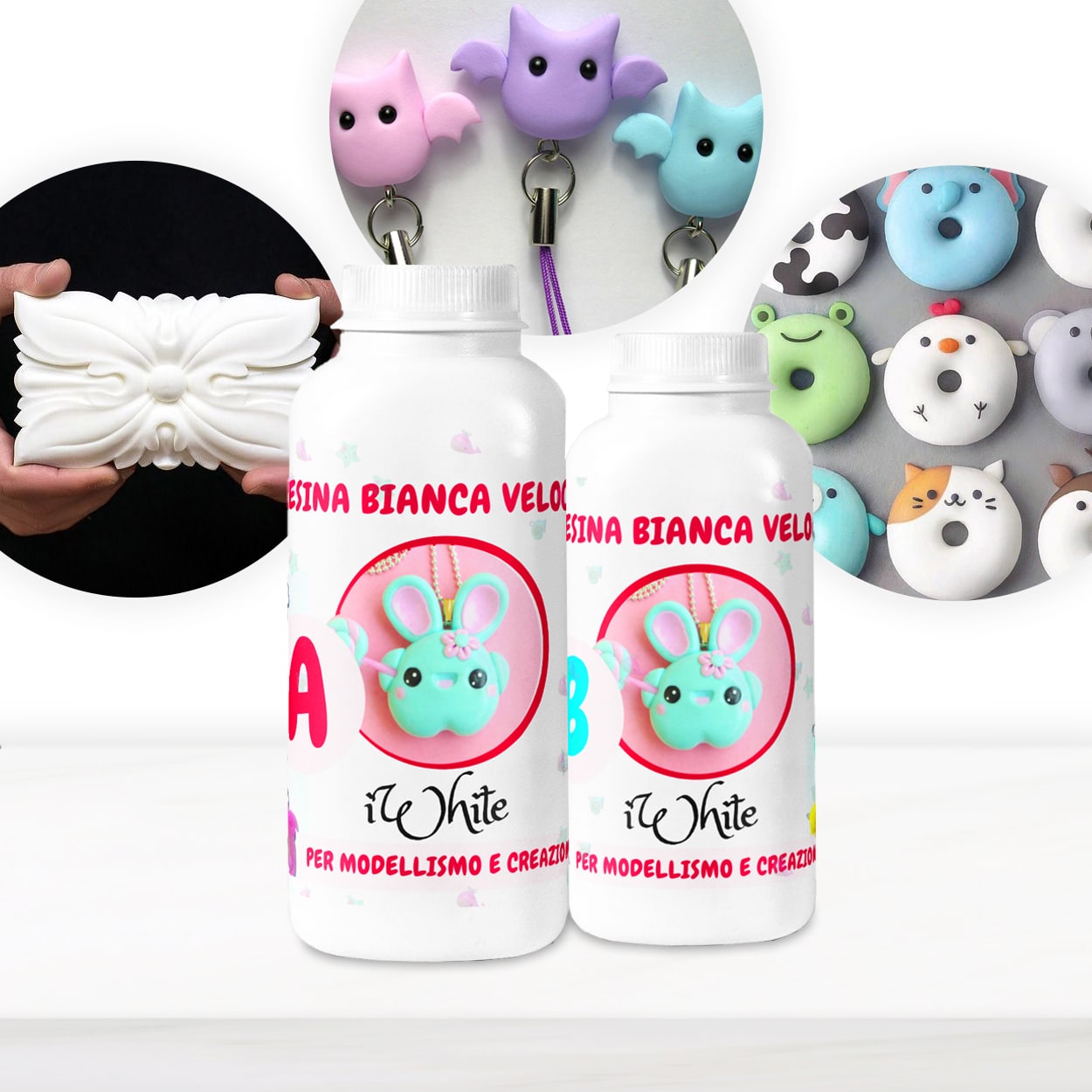
Choosing the right resin is crucial for making durable and attractive fishing lures. Your preferred resin will determine how your lures look, feel, and perform on the water.
Polyurethane vs Epoxy Resin: Key Choices
Most lure makers select between fast-curing polyurethane and clear epoxy resin. Polyurethane casting resins like IWhite offer quick turnaround, setting in just 30 minutes and boasting high fluidity for intricate moulds. They’re ideal for rapid prototyping and can be painted easily once cured. Epoxy resins, especially those designed for clear casting, usually take longer to demould but produce exceptionally smooth, glossy finishes and high transparency, excellent for detailed or lifelike lure effects.
Practical Tips for Resin Lure Making
- Cure Time Matters: If you’re making multiple lures quickly, opt for polyurethane for a fast workflow. For clear, glass-like lures, transparent epoxy is a strong choice, though expect longer wait times.
- Colour and Finishing: Both resins can be coloured when mixed, while cured polyurethane can also be painted. Many epoxy kits, like the “Trasparente” with pigment, include everything needed for creative finishes.
- Layer Thickness: Epoxy types such as “Trasparente” are best for castings up to 2cm thick, which covers most lure sizes.
When Resin Choice Matters Most
Your project goals shape the right resin pick: hobbyists looking for quick results might favour polyurethane, while professionals seeking a premium, transparent finish often lean towards epoxy. If lure clarity and intricate details are key to your designs, clear epoxy gives superior results.
Related products
Related guides
Getting the best results in lure making starts with the right resin. Explore more ideas and step-by-step guidance on the main How to make resin lures? page.