 Free shipping on orders over £29,85
  Shipping Tracking!


 Google
 Facebook
← Back to How do you remove epoxy resin?
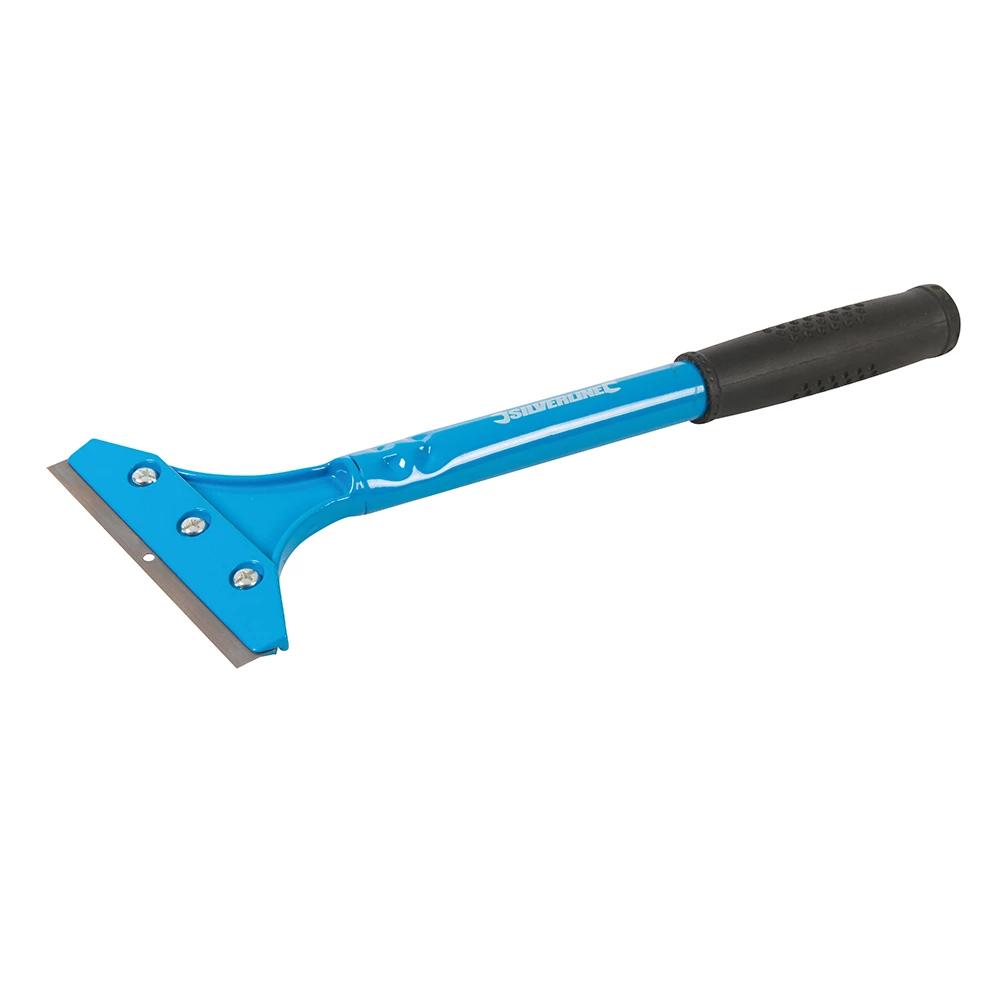
Once epoxy resin has cured, removing it requires a careful approach to avoid damaging the underlying surface. Whether you’re correcting mistakes or cleaning up after a project, a combination of mechanical removal and progressive finishing is the key.
Step 1: Mechanical Removal with a Dedicated Scraper
The first step in tackling cured epoxy resin involves using a robust tool like the Heavy Duty Scraper for Paint and Epoxy Resin Removal. This scraper features a razor-sharp blade and an easy-grip steel shaft, making it ideal for controlled removal of tough, set resin layers on worktops, flooring, or other surfaces. Always use gentle, steady pressure to minimise the risk of scratching or gouging.
Step 2: Smoothing the Surface with Sanding Pads
After scraping away the bulk of the resin, you may find the surface uneven or slightly rough. High-quality sanding pads, such as the “Ebonite Abralon” – Sanding Pads 360-4000 Grit for Resin and Wood, allow you to gradually smooth and refine the area. Start with a coarser grit and progress to finer grades as needed, ensuring a clean and even finish. For best results, use the pads either by hand or with a compatible pad holder, and always work in a well-ventilated area.
When Careful Resin Removal Matters
Precise removal is especially important when renovating wooden surfaces, furniture, or decorative pieces. Using the right scraper and sanding tools helps maintain the structural integrity of your project while delivering a smooth final result.
Related products
Related guides
Effectively removing cured epoxy resin involves the right balance of technique and tools. For more tips and advice on working with resin, visit our comprehensive epoxy resin removal guide.