 Free shipping on orders over £29,85
  Shipping Tracking!


 Google
 Facebook
← Back to How do you create bubbles in resin?
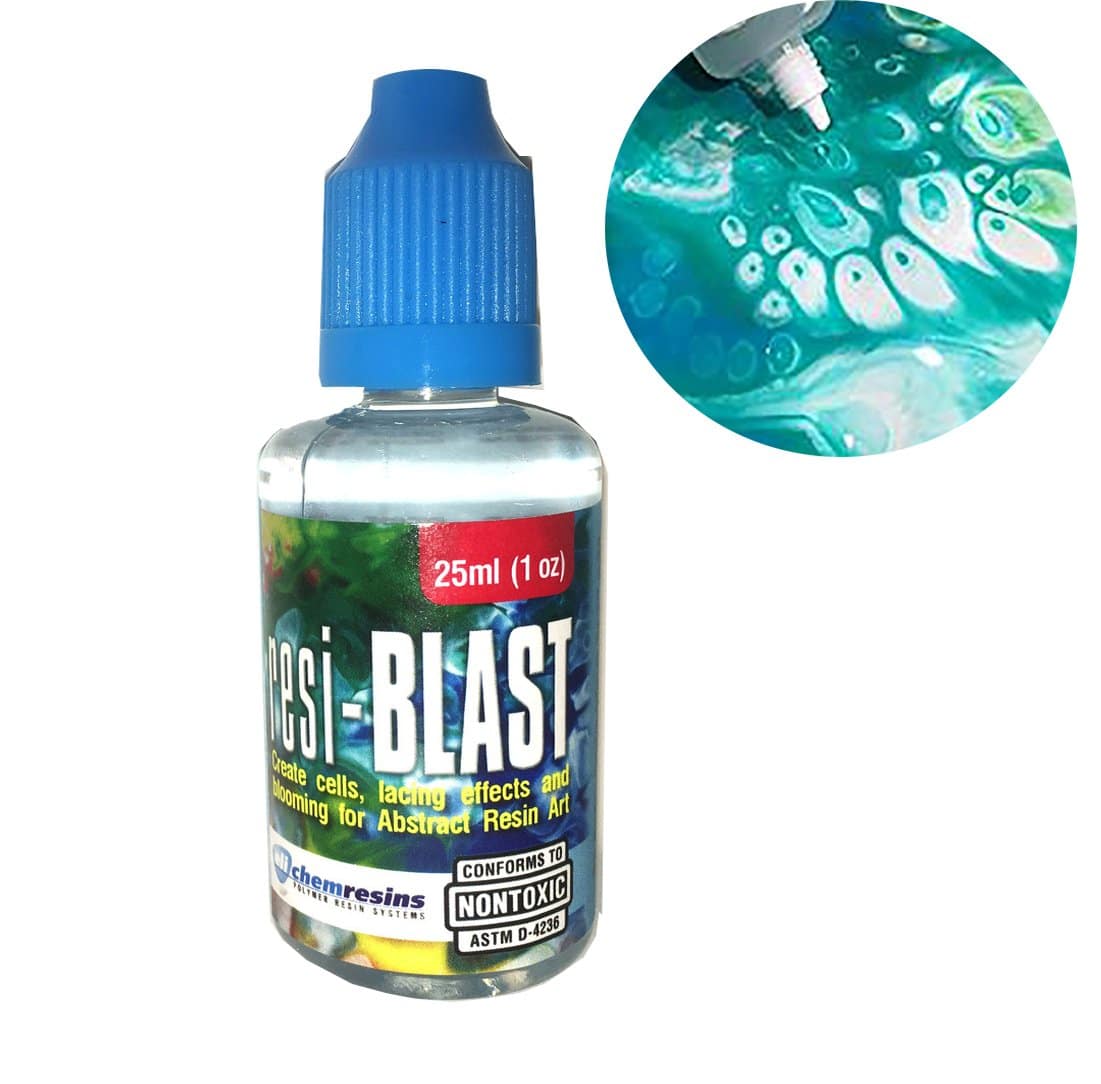
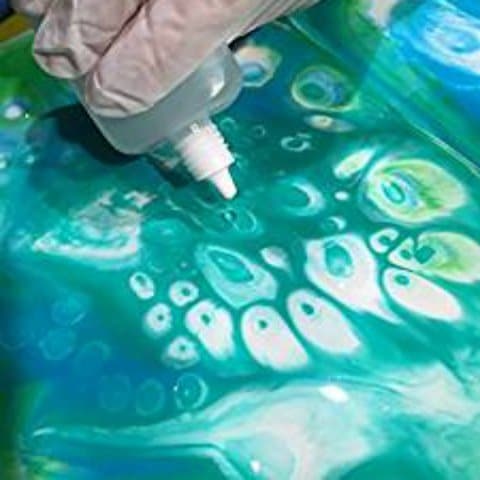
Before you commit your resin artwork to a main project, taking time to trial different bubble and cell effects is a practical way to refine your techniques and achieve the looks you want with confidence. Small-scale testing helps you understand how additives and methods behave in your chosen resin.
Set Up a Test Board
Use an offcut, scrap board, or a disposable tray as your test surface. Mix up a small amount of your resin and pigment in the proportions you plan to use for your main piece. This scaled-down version lets you see how different approaches generate bubbles or cell effects without the worry of wasting major materials.
Be sure to follow all usual safety precautions and prepare your workspace just as you would for your main project, including ensuring a dust-free environment.
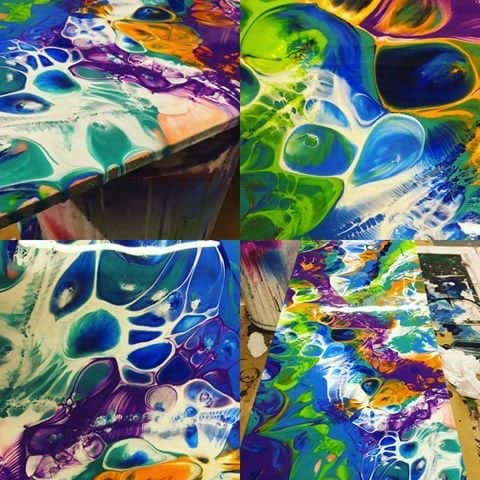
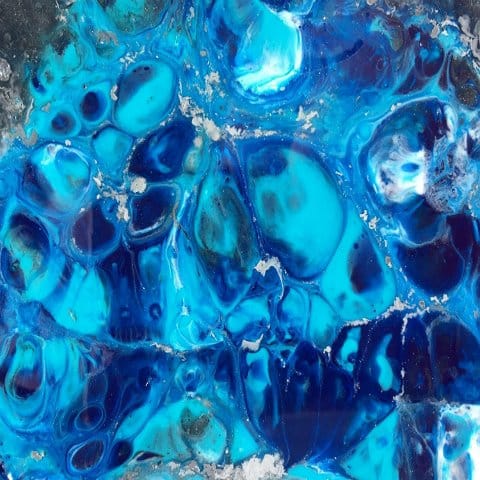
Trial Additives and Techniques
Popular ways to create bubble or cell effects include adding drops of specialist additives such as “Resi-Blast” Cell Effect Additive for Resin Art or gently applying isopropyl alcohol to the resin’s surface. Begin with small amounts, watching closely how your chosen method interacts with the resin and pigments. Adjust timings, dripping styles, and additive quantities until you’re happy with the effect.
- Test one variable at a time (e.g., only the additive amount or only the pouring style) for clearest results.
- Note differences in how effects develop as the resin thickens during curing.
- Practice using a pipette or brush for controlled, consistent application.
When Testing Matters Most
Testing bubble effects on a small scale is especially important when using unfamiliar brands, new additives, or if you’re combining techniques for the first time. It’s the surest way to avoid surprises, wasted materials, or disappointment in your finished artwork.
Related products
Related guides
With a little preparation and testing, you’ll gain insight into how bubbles and cell effects develop in your chosen resin system—leading to more predictable and striking results in your main project. Explore more tips and advanced ideas on our resin bubble creation guide.